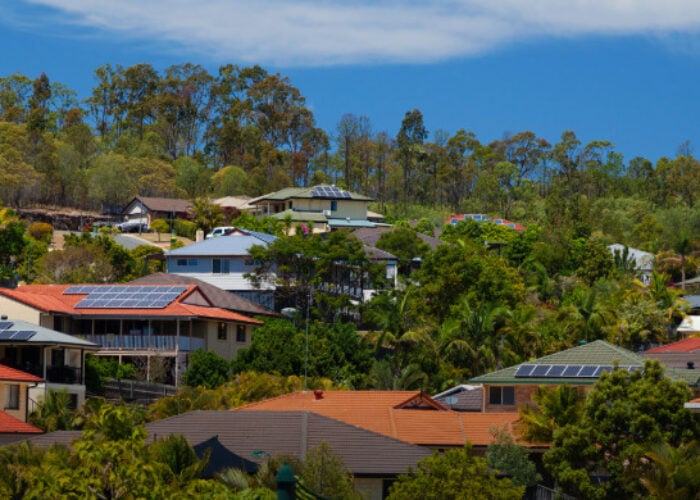
US residential solar company Sunrun has welcomed a piece of legislation in California that could help drive down soft costs, by streamlining the permitting and inspection process for new PV systems.
Walker Wright, director of public policy at Sunrun, spoke to PV Tech via telephone about AB2188, a bill which is currently going through the state assembly. AB2188 would mean that anyone applying to install a residential solar PV system of up to 10kW would be able to gain permitting and a mandatory inspection within days of applying.
Try Premium for just $1
- Full premium access for the first month at only $1
- Converts to an annual rate after 30 days unless cancelled
- Cancel anytime during the trial period
Premium Benefits
- Expert industry analysis and interviews
- Digital access to PV Tech Power journal
- Exclusive event discounts
Or get the full Premium subscription right away
Or continue reading this article for free
Wright said that in his opinion, the inconsistency that exists at present means that in some cities, permitting and inspection is a very straightforward and expedient process, while in others the indeterminate nature of the timeframe involved can make handling the matter a “bureaucratic nightmare”.
Wright said that while in some cities in California the process of getting a system approved and inspected was very easy and quick, “…in the next town over, that process could be a bureaucratic nightmare, where you don’t hear back from the permitting office, you wonder if your application is fallen into a black hole somewhere”, he told PV Tech.
“There’s no accountability on behalf of the office to tell you when they’ll get it back to you. And the same sort of bureaucratic process will repeat itself with the actual inspection of the system. Whether its two days or six months from now on a Tuesday, you don’t know. What the rooftop solar industry is asking for is more consistency across municipal boundaries.”
Wright explained that the US market, while varying greatly from region to region within the country, still stood apart from markets such as Europe and Australia in terms of the high soft costs which include waiting for permits and inspections.
Referring to studies which had made this clear, Wright said that even while the same equipment is used for systems in different markets and labour costs are often higher in territories outside the US, soft costs and “the difficulty companies have doing business here installing projects across municipal lines” remained a barrier to the growth of residential solar. According to Wright, while the industry is managing to bring costs down in other areas effectively, the bureaucratic ‘red tape’ that this barrier consists of is prohibiting successful deployment.
“We have an incredible patchwork of building and planning codes in the US to begin with, far beyond solar. When we look at the solar industry in general, it’s accepted that in some states we’ve had success in driving down costs. California being an example – we’re proud of the progress we’ve made over the last five or six years where we started out with a high California Solar Initiative rebate of about $2.50 per installed watt, that has been stepping down over the last number of years,” he said.
“In two California investor-owned utility markets, it’s now at zero in the residential space and we’re building more solar than ever. So that’s a good example of good policy, while we’re driving down costs as the market becomes more competitive. So we very much look at permitting and soft costs as the last frontier, where we as a market can drive down costs and it’s also very challenging.”
The bill is currently about “halfway” through the legislative process that would lead to it becoming law, said Wright. If it successfully goes through the state assembly and state senate, California’s governor Jerry Brown could sign it off in September this year, and it would be put in place at the end of the current legislative term – 1 January 2015.