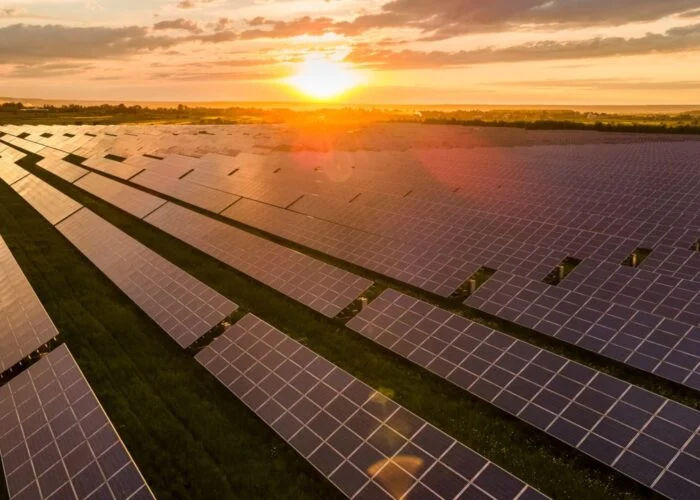
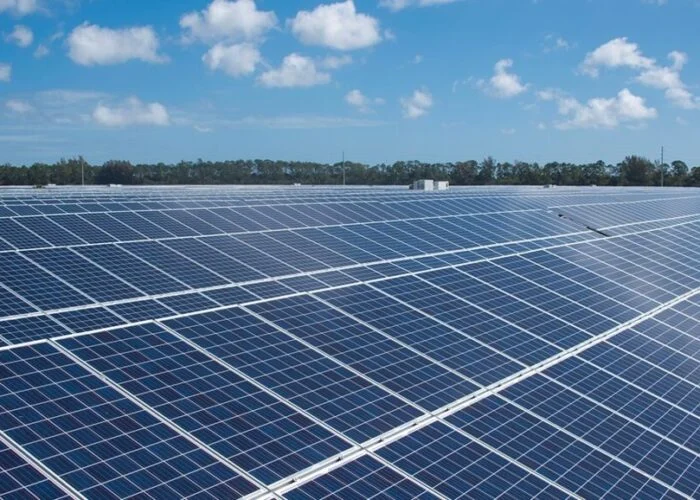
The Canadian Solar Industries Association (CanSIA) has sent recommendations to the Ontario Ministry of Energy for boosting Ontario's PV sector, including a target for generating 5% of the province's energy from solar power by 2025.
According to CanSIA President John Gorman, a shortfall in the area's energy supply may need to be addressed as early as 2016. Gorman and CanSIA argue that PV “is a natural fit to filling the gap”. John Gorman was also interviewed for national newspaper The Globe and Mail, in which he referred to the comparatively rapidly falling cost of solar power in relation to other forms of electricity generation.
Try Premium for just $1
- Full premium access for the first month at only $1
- Converts to an annual rate after 30 days unless cancelled
- Cancel anytime during the trial period
Premium Benefits
- Expert industry analysis and interviews
- Digital access to PV Tech Power journal
- Exclusive event discounts
Or get the full Premium subscription right away
Or continue reading this article for free
The association has put forward the list of recommendations in response to the Ontario's 'Long-Term Energy Plan Review', releasing its own document – 'Revising Ontario's Long-Term Energy Plan' – via the CanSIA website.
CanSIA, which represents over 650 Canadian solar companies, also asked the ministry to stay committed to recently announced supportive measures for 'micro' and 'small' feed-in tariff programmes, regarding the use of systems under 10kW ('micro') and between 10kW – 500kW ('small') in size.
Other recommendations made by CanSIA include:
- A viable, uncapped policy based on consumer demand for net-metering distributed solar generated electricity be put into place by 2018.
- Targets to be set for the solar thermal industry, with solar thermal to be included in conservation programmes that also involve natural gas and electricity.
- Annual procurement targets to be set for large-scale solar, similar to targets set for procurement of 'micro FiT' and 'small FiT', which are currently at 30MW.
Ontario, Canada's most populous province, currently awaits final details of the third round of the province's feed-in tariff (FiT) programme, known as FiT 3.
Details of FiT 3 will be published on 7 October by the Ontario Power Authority (OPA), the non-profit corporation responsible for independently planning and recommending long term energy policy to the Ontario Ministry of Energy.
Changes to FiT 3 from previous iterations include a lower requirement for locally sourced materials in building 'micro' and 'small' PV installations, a change made in response to a World Trade Organization ruling.