The ‘World Games Stadium’ or Kaohsiung Stadium in Taiwan was built to be complete in time for the opening of The World Games held in July 2009. Permission was given by the International World Games Association for the event to be held in Kaohsiung Taiwan, providing the building met International Federation standards. The stadium design was by Japanese architect Toyo Ito.
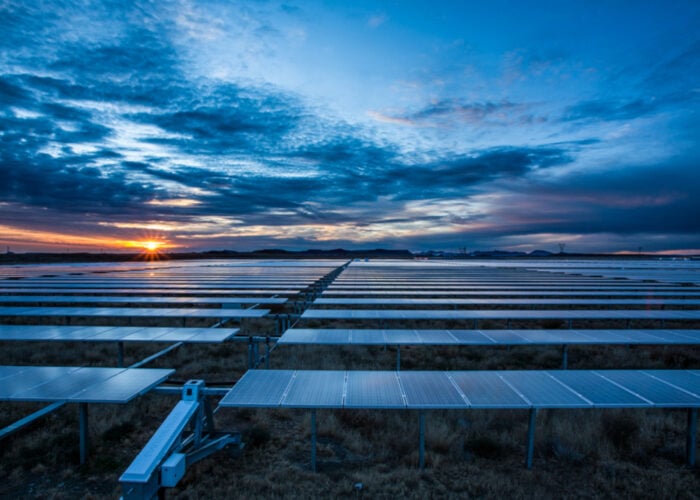
The main stadium has a capacity of 40,000 seats and required a total of two years work. The construction crew overcame any technical difficulties presented and successfully installed spiral steel girders and integrated 8,844 solar panels on the roof.
Try Premium for just $1
- Full premium access for the first month at only $1
- Converts to an annual rate after 30 days unless cancelled
- Cancel anytime during the trial period
Premium Benefits
- Expert industry analysis and interviews
- Digital access to PV Tech Power journal
- Exclusive event discounts
Or get the full Premium subscription right away
Or continue reading this article for free
The BIPV solar panels generate 1.14 million kWh annually, thus reducing 660t of annual CO2 output. The BIPV system provides electricity during games while any surplus energy produced throughout the year is sold during non-game periods.
All the raw materials used in the main stadium are 100% reusable and made in Taiwan.