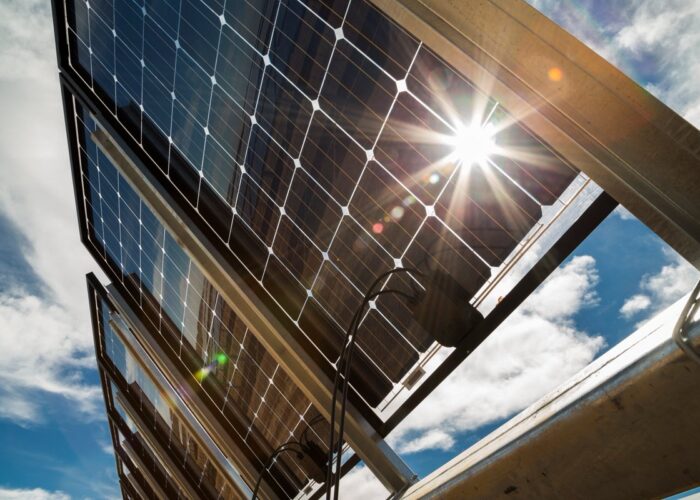
The PV ModuleTech 2017 meeting starts tomorrow (7 November 2017) in Kuala Lumpur, Malaysia, showcasing the key module issues that will guide site design and construction for large-scale solar sites in the next 12-18 months.
Going to Indian courts over renegotiations of solar power purchase agreements (PPAs) can be a costly and time-consuming process, but is this where the trouble ends?
The inaugural PV ModuleTech 2017 event takes place in Kuala Lumpur, Malaysia, on 7-8 November 2017, and for many of the attendees taking part in the event, the anticipation is growing by the day!
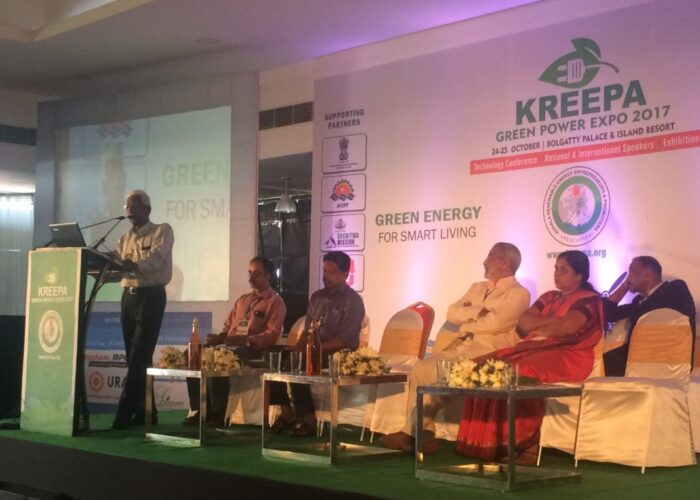
With the world’s first solar-powered airport, as well as India’s first solar education centre and floating PV projects, the state of Kerala has been a frontrunner in innovation and now its industry has an eye on a hugely ambitious rooftop solar goal - KREEPA Green Power Expo 2017.
The first PV ModuleTech event is due to take place in Kuala Lumpur on 7-8 November, and the event is poised to explain and define the key module suppliers, technologies and audited metrics that are imperative to developers, EPCs, investors and asset owners for utility-scale solar module deployment in 2018 and beyond.
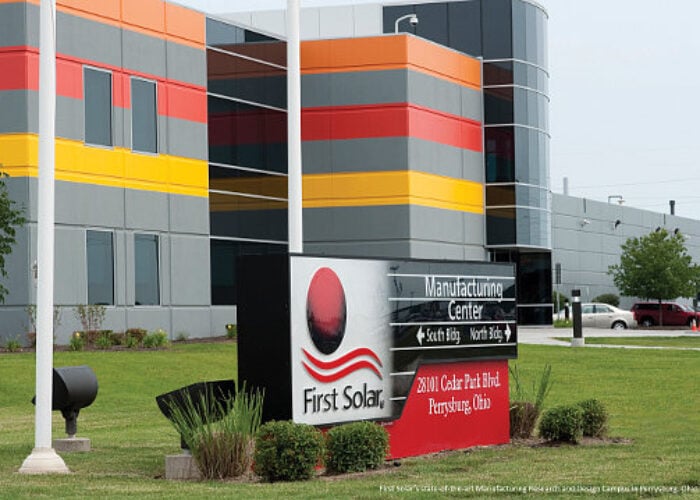
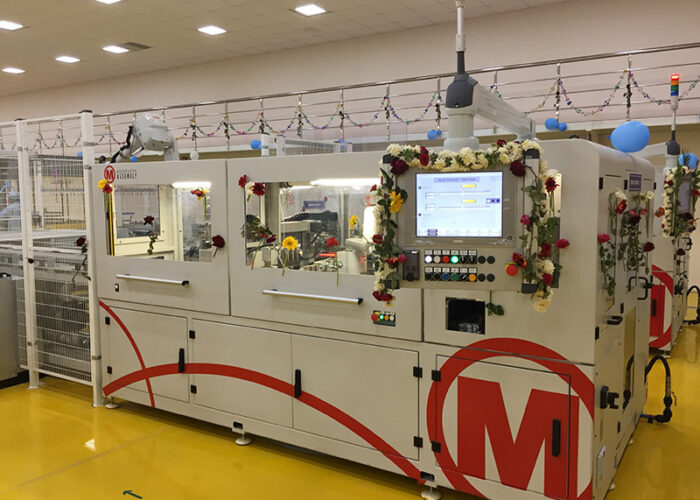
When manufacturing capacities moved from megawatt to gigawatt ten years ago, the concept of having a fully-integrated and automated production site was widely accepted to be the most economical, Finlay Colville examines whether this is truly the case.
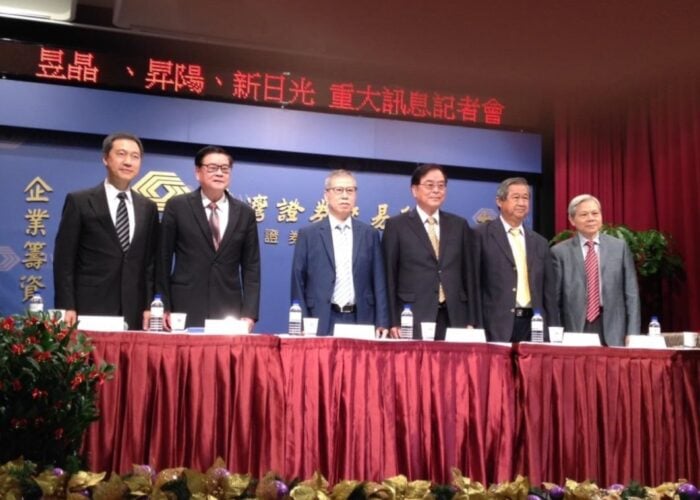
What a start to the PV Taiwan 2017 week! There have been some rather tame mergers and acquisitions in the solar PV industry over the years - not to mention the shuffling of zombie factories within China – but the news today that Neo Solar Power, Gintech Energy Corp., and Solartech Energy are planning to merge is worthy of far more scrutiny.
Things can change very quickly in the solar industry, and no more so than when new trade-related cases are introduced or existing ones are amended in scope. Often companies – and in particular module suppliers relying on export revenues – suddenly find themselves with a golden opportunity that was previously not in their strategies, or have barriers unlocked that remove competitors based in other countries.
What does it mean to be all things to all people? Does it overstretch resources to breaking point, or does it give you a chance to cast a wider net and capture market share? Vivint Solar recently joined Tesla in a race to offer whole packages including solar, storage, EV charging and other components to US customers. We talked to GTM Research's Brett Simon on some of the dynamics of those parallel strategies.
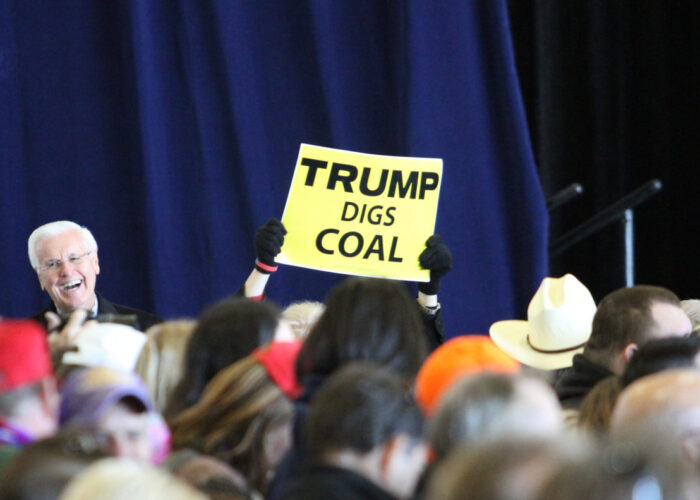
As the Trump Administration dials back the Clean Power Plan citing pesky environmental regulations for coal's problems, its claims of being against intervention ring hollow. If the President wants modern, independent and increasingly economically sustainable power infrastructure, he should be backing solar.