By Lior Handelsman, VP of Marketing & Product Strategy and Founder of SolarEdge
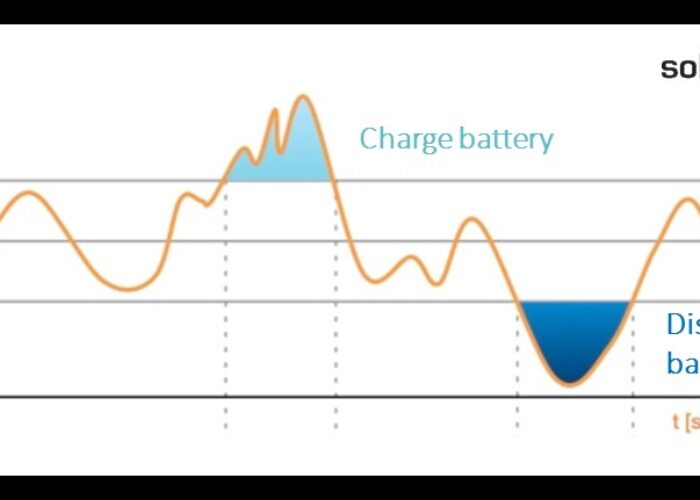
Lior Handelsman, VP of Marketing & Product Strategy and Founder of SolarEdge, discusses cloud-based grid services and VPP solutions that offer real-time aggregative control and data reporting while enabling the pooling of PV, storage, and EV chargers.
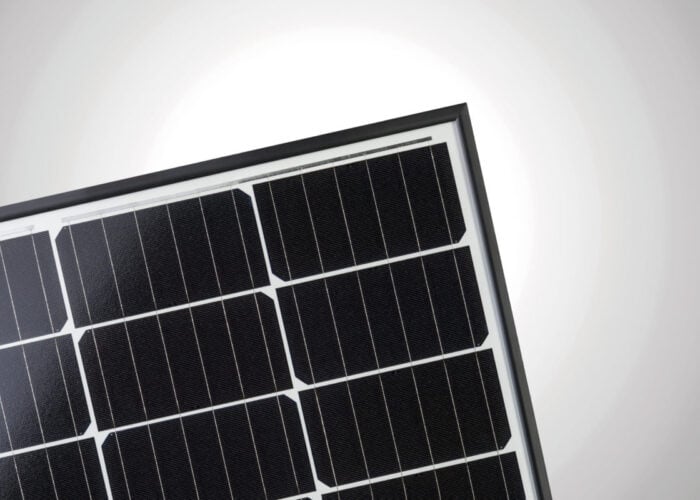
Hanwha Q CELLS new Q.PEAK DUO-G5 series modules are designed for higher efficiency and minimized degradation that provides a price to performance ratio designed to target the residential and commercial markets. The Q.PEAK DUO-G5 half-cell module won an Intersolar Award 2018.
SolAero Technologies is developing thin-film technology for the US Navy's solar drone programme, as previously explored on PV Tech. In a follow-up piece, Edgar A. Gunther gets more details from the firm and explores the current price points for high-performance cells.
‘Silicon Module Super League’ (SMSL) members JinkoSolar and Hanwha Q CELLS have both updated plans to start solar module assembly manufacturing in the US, post the US Section 201 trade case.
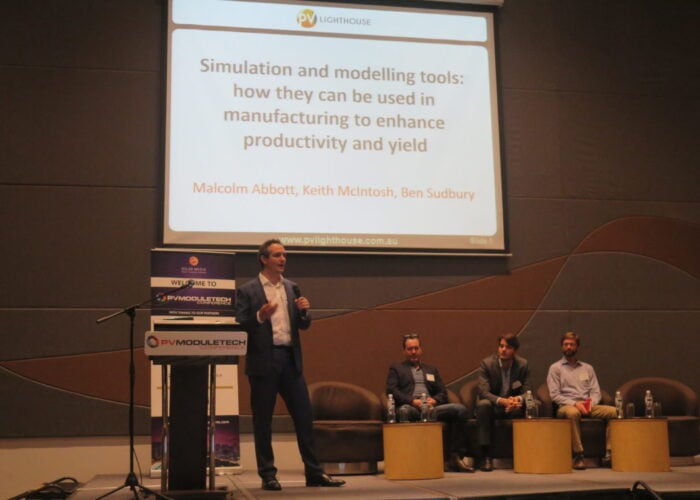
Ahead of PV ModuleTech conference, Finlay Colville takes an in-depth look at the type of module companies that will be internationally known over the next 12-18 months.
Ali Imran Naqvi, Vice President of India-based advisory and engineering firm, Gensol Group, explains why harm stemming from the Indian government's safeguard duty on solar cell and module imports might not be too pronounced nor too long-lived.
At Intersolar Europe 2018, PV Tech talked at length with Aiko Solar’s vice general manager Michael Ho, to gain an update on capacity expansions and strategy with its expanding range of PERC-based cells vis-a-vis the European market.
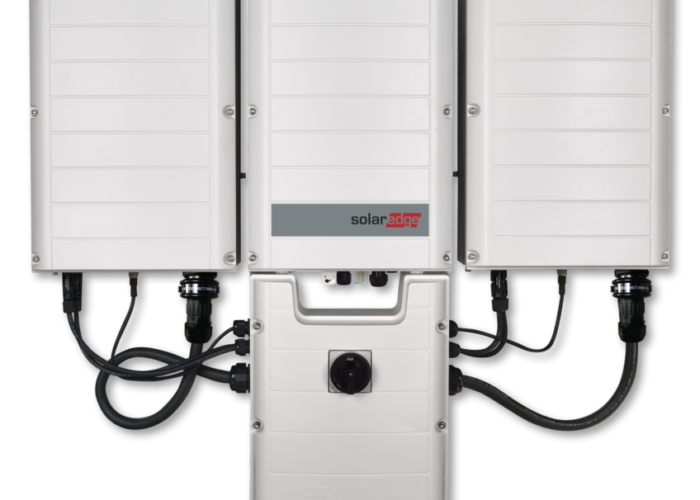
SolarEdge is shipping its most powerful inverter product to date – the SE100KUS inverter for 277/480Vac commercial grids. The SE100KUS utilizes a bundling concept with three separate units to retain higher system uptime and availability.
Heading into the PV ModuleTech 2018 event in Penang, Malaysia on 23-24 October 2018, PV-Tech is set to conduct a series of interviews with leading project developers and EPCs, to understand what downstream channels of the utility-scale PV segment are looking for, when choosing PV module suppliers and their respective module technology offerings.
Gyanesh Chaudhary, MD and CEO of Indian module manufacturer Vikram Solar, discusses how China's solar policy overhaul impacts India's PV market, how India's domestic manufacturing industry should be supported, and what needs to change in the recent Safeguard Duty announcement.