Chile has adopted a greatly increased renewable and clean energy target of 70% for its energy mix by 2050, with the Latin American country’s Ministry of Energy publishing a roadmap document.
A statement from the ministry said that renewable sources including solar and wind should be favoured, supplemented by some hydroelectric developments, while the nation should also “not rule out the progressive incorporation of other emerging sources” of renewables, including geothermal and biomass.
Try Premium for just $1
- Full premium access for the first month at only $1
- Converts to an annual rate after 30 days unless cancelled
- Cancel anytime during the trial period
Premium Benefits
- Expert industry analysis and interviews
- Digital access to PV Tech Power journal
- Exclusive event discounts
Or get the full Premium subscription right away
Or continue reading this article for free
The target is a considerable increase on the previous 2013 target of 20%. At present, the country gets just under 10% of its energy from renewables.
The roadmap affirms a commitment to working closely with communities to engage them in the process, to address energy poverty, to finding a route to new environmental standards, as well as other measures. In transportation and mobility also, the nation has pledged that by 2050, all new cars will be low or zero emissions, as well as public transportation in specific areas that are designated to have “decontamination plans”.
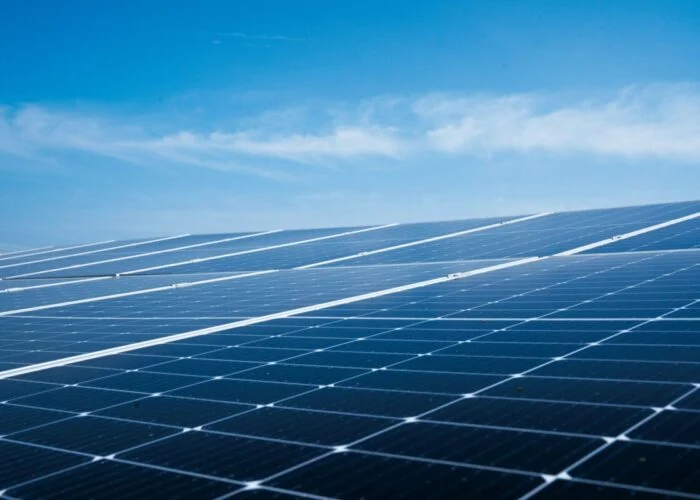
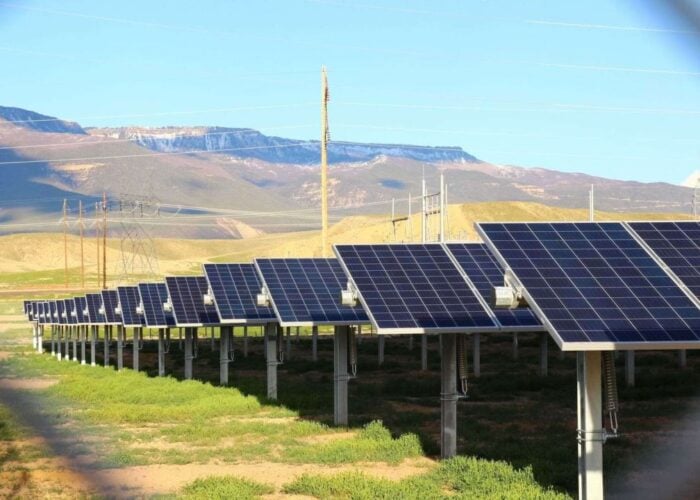
As will be familiar to regular readers of PV Tech, Chile has raced ahead in renewable energy development, particularly in solar, over the past year or two, after a long period of uncertainty in which analysts and industry insiders talked up the potential for PV in the country before deployment began in earnest. Chile’s PV capacity in operation or under development was reported in April to have doubled in the month prior to that, to over 2.5GW.
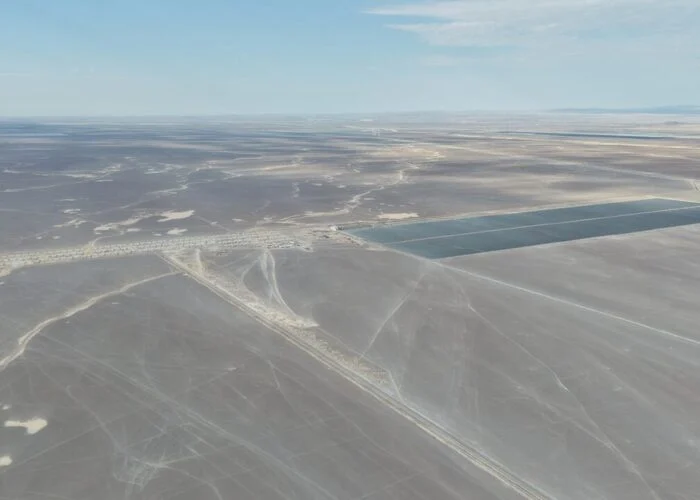
The country’s central Atacama Desert region in particular has seen a great deal of development and a module specifically designed to meet the characteristics of that region has even been developed through ISC Konstanz (International Solar Energy Research Center Konstanz).
Another interesting aspect of development in Chile is the scope for some ambitious projects, which have seen plants with generation capacity in the 100MW+ range announced with some frequency. One project, announced by local firm Valhalla Energy, would see 600MW of PV paired with 300MW of pumped hydro energy storage, allowing for 24/7 electricity. The intriguing project is apparently under development, although not much has been heard on it since the early part of this year while Valhalla Energy is yet to reply to a recent enquiry from PV Tech Storage on the project.
The move follows shortly after the country issued its climate action plan to the UN earlier this week, ahead of the Paris COP21 international talks in December, which are intended to bring about a multilateral agreement on how to prevent the critical 2 degree Celsius rise in global temperatures. Chile committed to a reduction in greenhouse gases (GHGs) of 30% by 2030, benchmarked against 2007 levels, which was reiterated in the clean energy roadmap.
Nations must present their Intended Nationally Determined Contributions (INDCs) in advance of the COP21 event. According to the UN, INDCs have been submitted from 109 countries already, including the US, India, Lebanon, Israel, Turkey, Cameroon, Thailand, Bangladesh and Korea.
Additionally, there was a signing on 25 September of a joint declaration between Chile and the US state of California of a mutual commitment to combating climate change. Ahead of the COP21 talks which take place in Paris in December, Chilean president Michelle Bachelet met with California’s governor Jerry Brown in New York at the 70th session of the UN General Assembly and signed the Chile-California Plan.
The plan includes a commitment to the development of a carbon emissions trading system in Chile, along the lines of a similar scheme implemented in California, while other aspects considered include water management and air quality.
There have also been reports this week of a slump in the Chilean economy, driven by a slowdown in growth and a fall in copper prices, which the country exports.