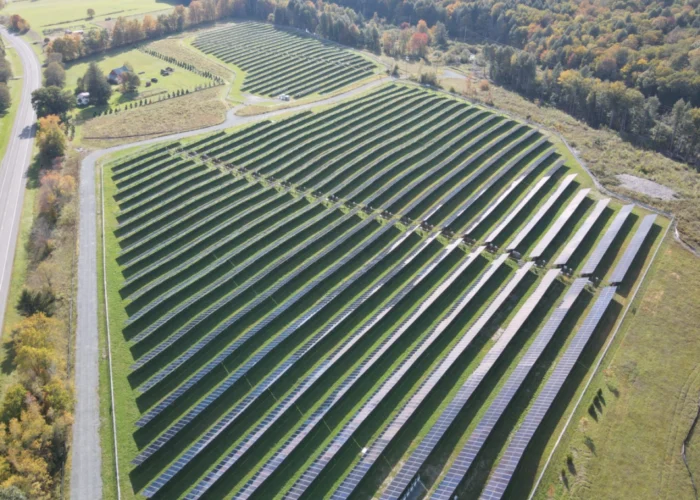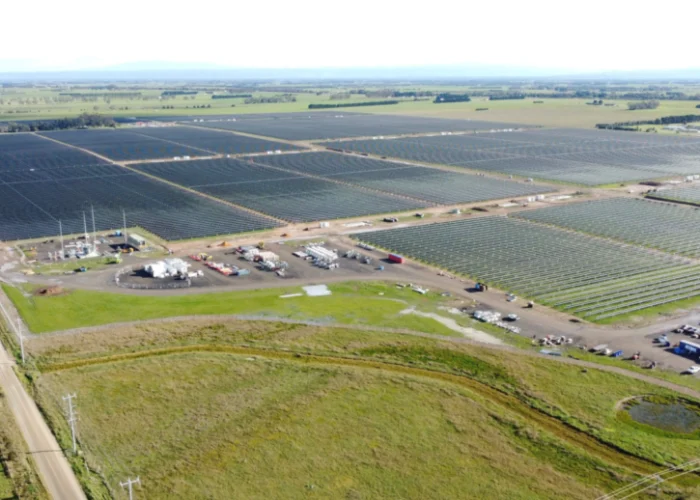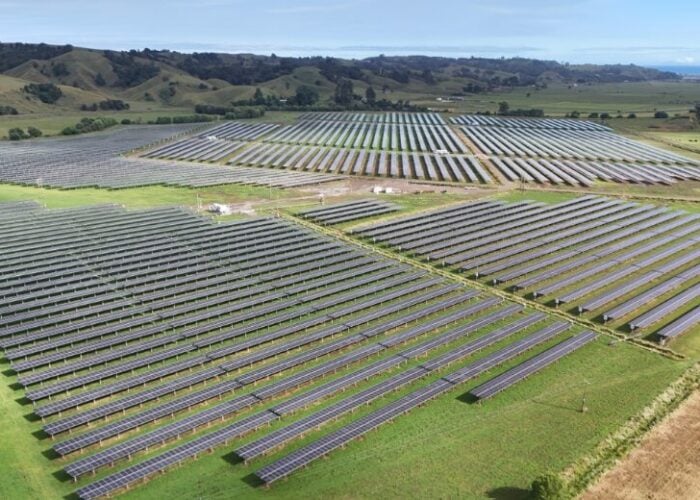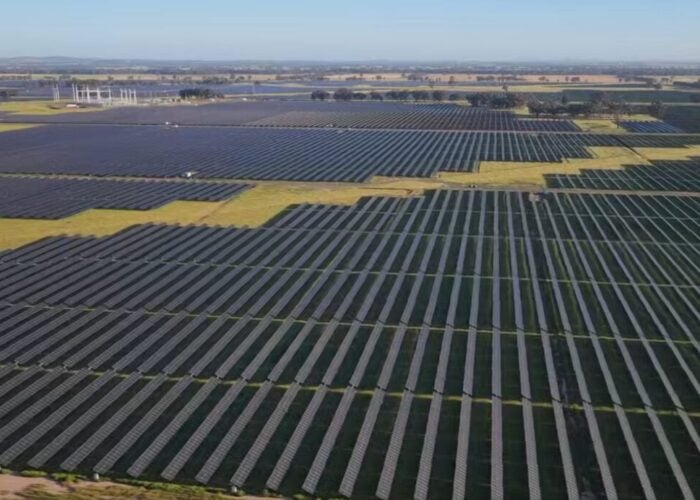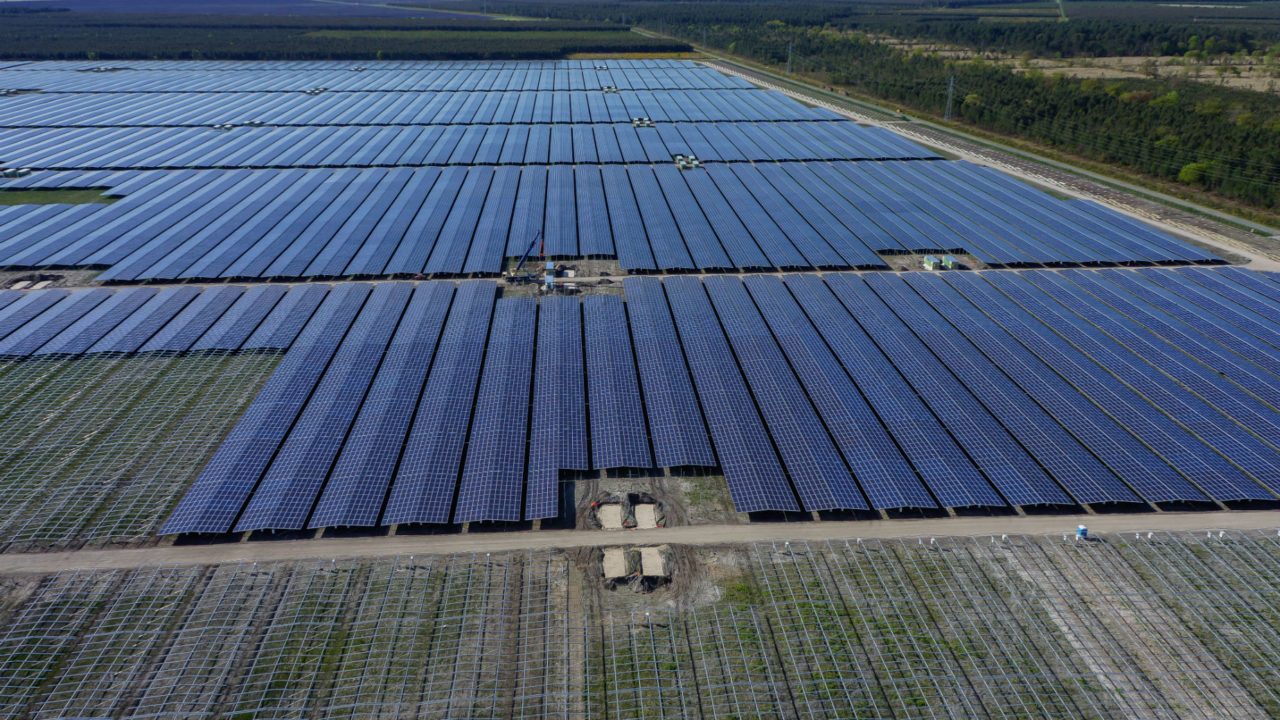
Victoria’s state government has given the greenlight to three contentious solar farms that have a total capacity of 175MW.
The projects in question are all in the Shepparton region of northern Victoria. The 100MW, AU$175 million (US$118 million) Lemnos farm is being developed by French renewables firm Neoen. The 30MW, AU$34 million (US$23 million) Tallygaroopna project is backed by Spain’s X-Elio, and Australian solar developer CleanGen is behind the 45MW, AU$40 million (US$27 million) Tatura East farm.
Try Premium for just $1
- Full premium access for the first month at only $1
- Converts to an annual rate after 30 days unless cancelled
- Cancel anytime during the trial period
Premium Benefits
- Expert industry analysis and interviews
- Digital access to PV Tech Power journal
- Exclusive event discounts
Or get the full Premium subscription right away
Or continue reading this article for free
The farms have been met by fierce opposition by local farmers, according to reports on The Weekly Times, Farm Online and ABC. Their concerns related to the loss of prime agricultural land that has benefitted from substantial government grants to upgrade its irrigation capacity.
Shepparton district is part of the Goulburn-Murray irrigation district (GMID) that spans northern Victoria. It is the country’s ‘foodbowl,’ producing AU$5.9 billion (US$4 billion) worth of dairy, fruit, vegetables, meat and cereals every year, according to GMID statistics. One in three jobs are on farms, in farm services and in food processing.
The approval for the solar farm trio is the result of a “thorough and independent planning process that included community consultation” according to a government statement. Richard Wynne, planning minister for Victoria, said authorities “had done the work to address local concerns and made sure all potential impacts on irrigation farmland and the district more broadly were considered in the decision.”
In July, the Labor state government released new planning guidelines for large-scale solar farms, but they are are yet to be incorporated into its planning scheme. These three projects were therefore assessed against the old framework.
The future guidelines – due to launch in a matter of weeks – will prevent solar development that is not aligned with water corporation assets, according to the government. They will provide guidance on community consultation, as well as relieving the burden on local councils by making the state’s minister for planning the responsible authority for all large-scale solar applications.