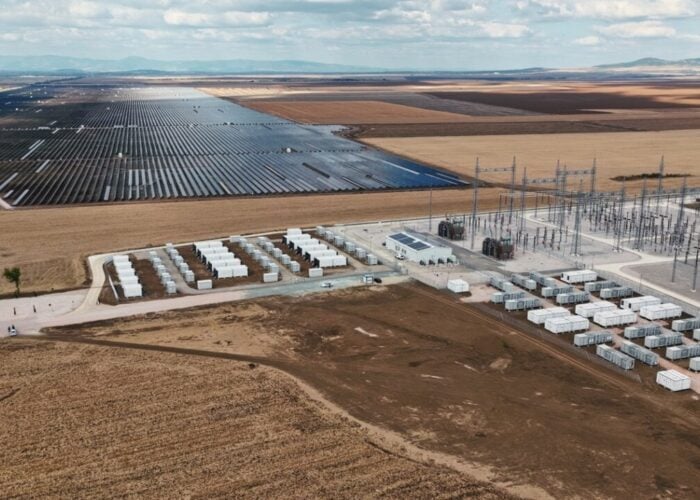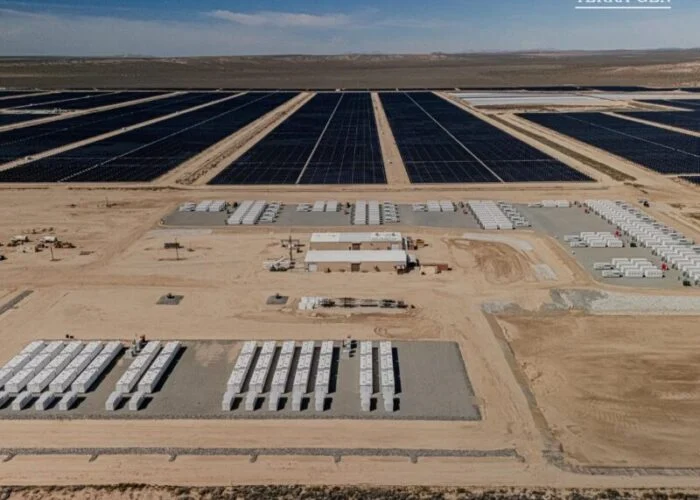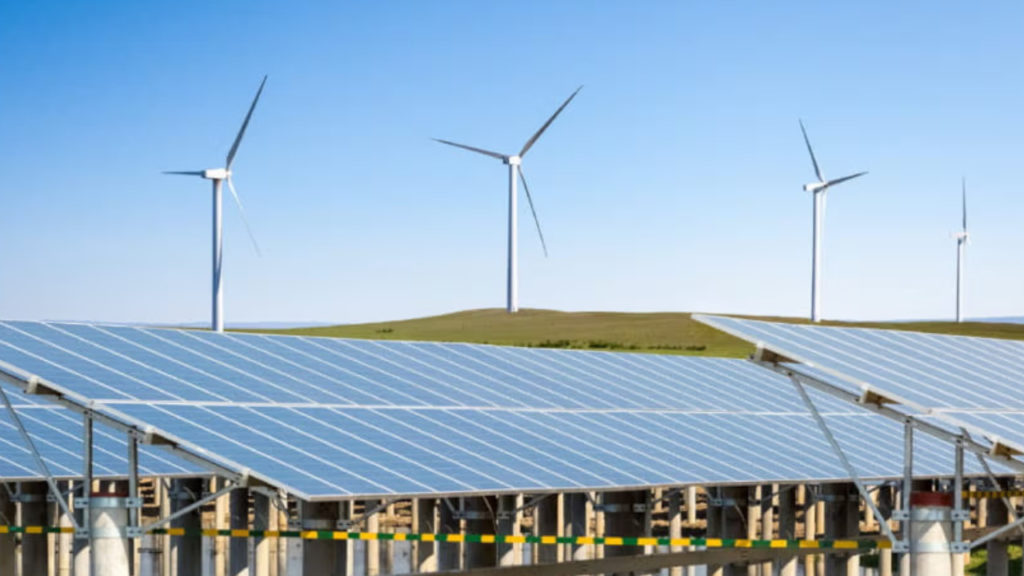
The insurance market will need to evolve its underwriting approaches to keep pace with the rapid growth of co-located renewable energy projects, according to a new report from renewable energy insurer Tokio Marine GX (TMGX).
The report, titled Co-location, Co-location, Co-location: Underwriting the future of flexible clean power,” argues that while insurers have become increasingly comfortable underwriting established combinations such as solar-plus-storage projects, the emergence of larger and more complex hybrid energy assets is creating new challenges around risk assessment, business interruption coverage and revenue modelling.
Try Premium for just $1
- Full premium access for the first month at only $1
- Converts to an annual rate after 30 days unless cancelled
- Cancel anytime during the trial period
Premium Benefits
- Expert industry analysis and interviews
- Digital access to PV Tech Power journal
- Exclusive event discounts
Or get the full Premium subscription right away
Or continue reading this article for free
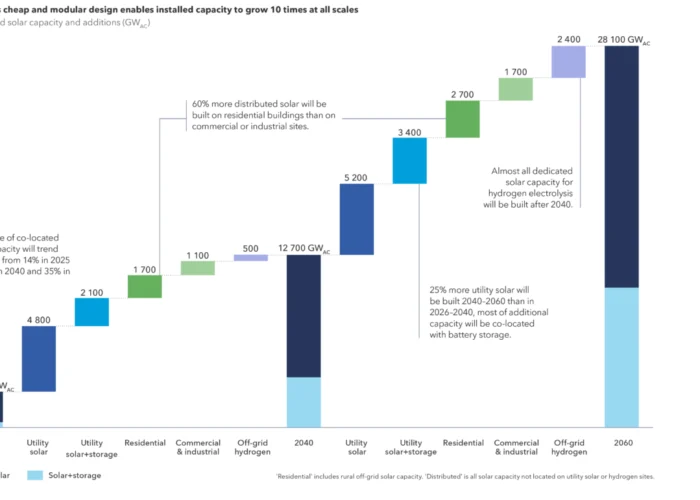
Co-location has become a central feature of renewable energy development globally as developers seek to maximise asset utilisation, improve project economics and provide more flexible power generation. The trend is being driven by growing demand for round-the-clock electricity supply, increasing grid constraints and the falling cost of battery energy storage systems.
According to TMGX, the next phase of market growth is likely to involve increasingly sophisticated project configurations, including large-scale battery storage deployments, industrial decarbonisation hubs and Power-to-X facilities that convert renewable electricity into fuels, hydrogen and other energy products.
“The rise of co-location signals a broader transformation in how energy systems are designed, integrated and managed. As projects become larger, more interconnected and more strategically important, the insurance market must continue evolving how it understands, models and supports these emerging risks,” Fraser McLachlan, chairman of TMGX said.
The report highlights technology interdependence as one of the most significant emerging risks. Unlike standalone generation assets, co-located projects rely on multiple technologies operating together, meaning failures in one part of a project can have wider operational and financial consequences.
Revenue structures are also becoming more complicated as developers seek income from multiple markets, including power purchase agreements, wholesale electricity trading and ancillary grid services. TMGX said these diversified revenue streams are increasing the complexity of business interruption modelling and insurance coverage requirements.
The insurer also identified grid connection infrastructure as a growing area of concern. While co-location allows developers to maximise the value of grid access, shared connection points can create single points of failure capable of disrupting multiple revenue-generating assets simultaneously.
Aggregation risk is emerging as another challenge, particularly in markets with high concentrations of renewable energy assets. In regions such as Texas and California, where renewable penetration is already significant, damage to shared infrastructure or extreme weather events could affect multiple projects at the same time.
Co-location in regional markets
The report comes as co-location becomes increasingly prevalent across major renewable energy markets.
“The transition to more flexible, integrated energy systems is a positive and necessary step for the sector. Co-location is playing a more important role in that evolution. The way insurers think about risk needs to evolve alongside the growth of co-location. By working closely with developers and continuing to invest in data, dialogue and insurance product development, the wider insurance market can play a key role in enabling that next phase of growth, too,” said Oliver Litterick, head of renewables, TMGX.
In Europe and the UK, developers are using co-location to maximise revenue from constrained land and grid capacity. In the US, the model is being deployed to address curtailment and negative pricing issues while helping meet rising electricity demand from data centres. Meanwhile, large-scale hybrid renewable projects are gaining momentum in the Middle East, where government-backed developments are supporting multi-gigawatt solar and storage installations.
TMGX noted that the growing importance of data centres is further increasing demand for flexible renewable energy projects. However, it warned that operational downtime at co-located facilities supplying data centre loads could result in significantly higher business interruption exposure compared with conventional renewable energy assets.
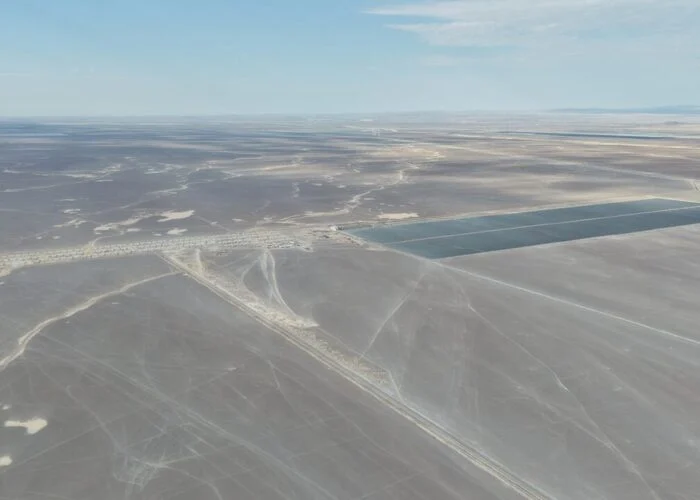
The report cites the Masdar’s 5.2GW solar and 19GWh battery storage development in Abu Dhabi as an example of how renewable energy projects are becoming larger and more technologically integrated.
To support continued growth in the sector, TMGX called for greater operational data sharing between developers and insurers, increased transparency around system performance and stronger collaboration between project developers, lenders, insurers and risk engineers.
The insurer also said insurance products will need to evolve to reflect increasingly complex project structures, particularly as developers move beyond traditional solar-plus-storage configurations towards industrial energy hubs and Power-to-X facilities.