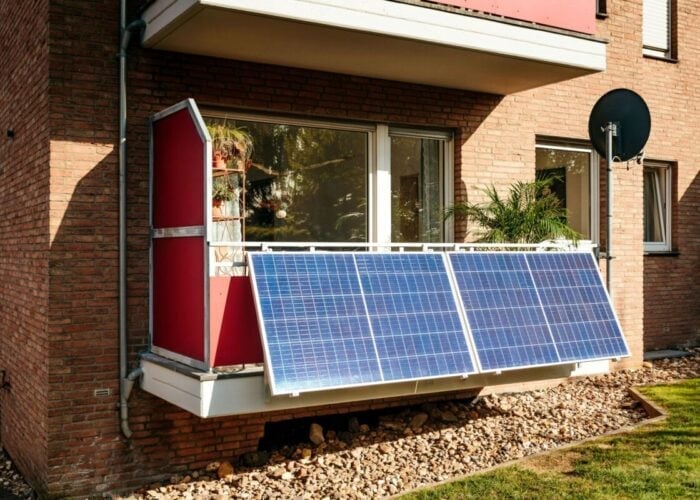
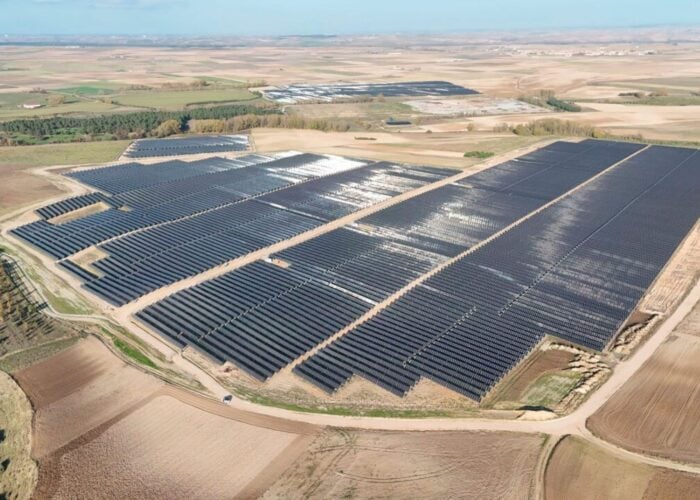
Dubai has started laying down the framework to integrate its solar power as the emirate launches a bid to boost its renewable energy capacity through rooftop solar power sources.
Speaking at the Word Energy Forum in Dubai yesterday, Saeed Al Tayer, Managing Director and Chief Executive Officer of Dubai Water and Electricity Authority (Dewa), said technical, commercial and legal frameworks were being put in place to facilitate the integration of solar power in Dubai.
Try Premium for just $1
- Full premium access for the first month at only $1
- Converts to an annual rate after 30 days unless cancelled
- Cancel anytime during the trial period
Premium Benefits
- Expert industry analysis and interviews
- Digital access to PV Tech Power journal
- Exclusive event discounts
Or get the full Premium subscription right away
Or continue reading this article for free
He added that Dewa has concluded that distributed rooftop solar power sources could make a practical contribution to Dubai’s power needs in the order of 20 per cent or around 2500MW by 2030.
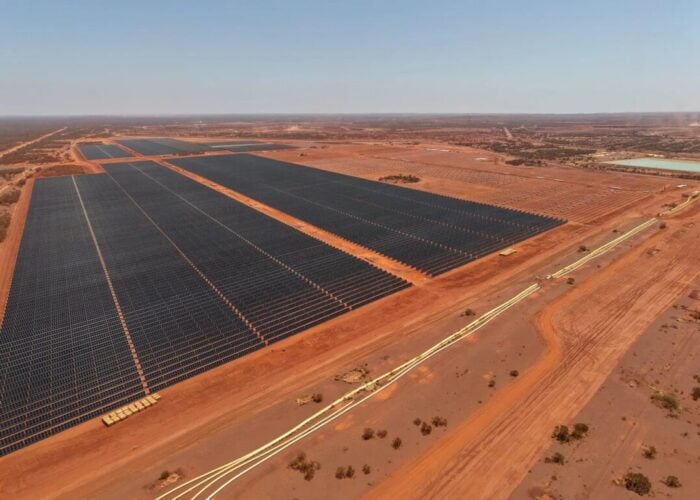
Saeed Al Tayer said: “Solar power is the most significant and strategic renewable resource in the UAE. Dubai has ongoing plans to build Shaikh Mohammed bin Rashid Solar Park of a 1000MW capacity by 2030. The $3.5 billion project, which upon completion will be one of the biggest solar parks in the region, and possibly beyond.”
Earlier this year PV-Tech reported how the solar park is expected to make a substantial contribution to Dubai’s future energy needs. The first phase 10MW solar PV plant will be in operation before end of year 2013.
By 2030, Dubai’s average energy growth is projected to be in the range of 4-5 per cent per annum.
Al Tayer told forum delegates: “Our target is to reduce energy consumption by 30% through the implementation of enhanced energy efficient initiatives and, by the same token, to significantly reduce the emissions of carbon dioxide.”
Al Tayer said Dubai would diversify its fuel mix by adding new capacity with “clean coal” power generation accounting for 12% of total power production.
Renewable sources, including solar power, will contribute five per cent, nuclear power 12% per cent and 71% from gas.