Global electricity demand is set to grow 2.5 times as fast as overall energy demand by 2030, ushering in what the International Energy Agency (IEA) has dubbed the “Age of Electricity”.
The increase in electricity demand will be driven by electrification in the transport, industrial and building sectors, as well as the growth of data centres and AI. New AI and data centre industries mean that electricity consumption from advanced economies is “rising after 15 years of stagnation”, the IEA said, and wealthy nations are set to contribute around one-fifth of increasing power demand by 2030.
Try Premium for just $1
- Full premium access for the first month at only $1
- Converts to an annual rate after 30 days unless cancelled
- Cancel anytime during the trial period
Premium Benefits
- Expert industry analysis and interviews
- Digital access to PV Tech Power journal
- Exclusive event discounts
Or get the full Premium subscription right away
Or continue reading this article for free
“A fundamental shift in the longstanding relationship between electricity demand and economic activity” will be “a defining feature” of the next four years, the IEA said in its Electricity 2026 report.
The resurgence of demand growth in advanced economies “signals a new era in which electricity is a major energy input to some of the most dynamic drivers of global economies, such as AI, data centres and advanced manufacturing,” the report said. Both the US and EU are expected to see an average annual electricity demand increase of around 2% through 2030, and around half of demand growth in the US is set to come from data centre expansion.
Other advanced economies like Canada, Japan, Australia and Korea will also see faster demand growth, the IEA said. Data centre demand will more than double from 2025-2030 compared with the previous five years, from 206TWh to over 460TWh.
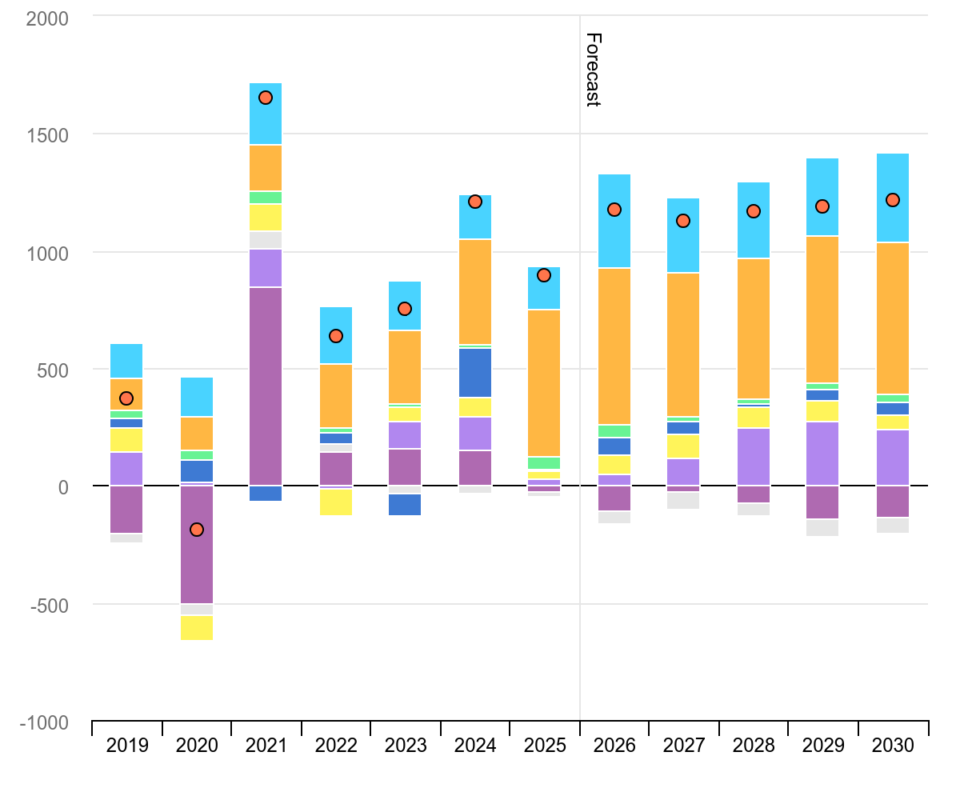
But despite the “fundamental shift” in demand from advanced economies, around 80% of new power demand will come from emerging or developing countries, with the bulk of demand coming from industry, buildings and transport (see graph below).
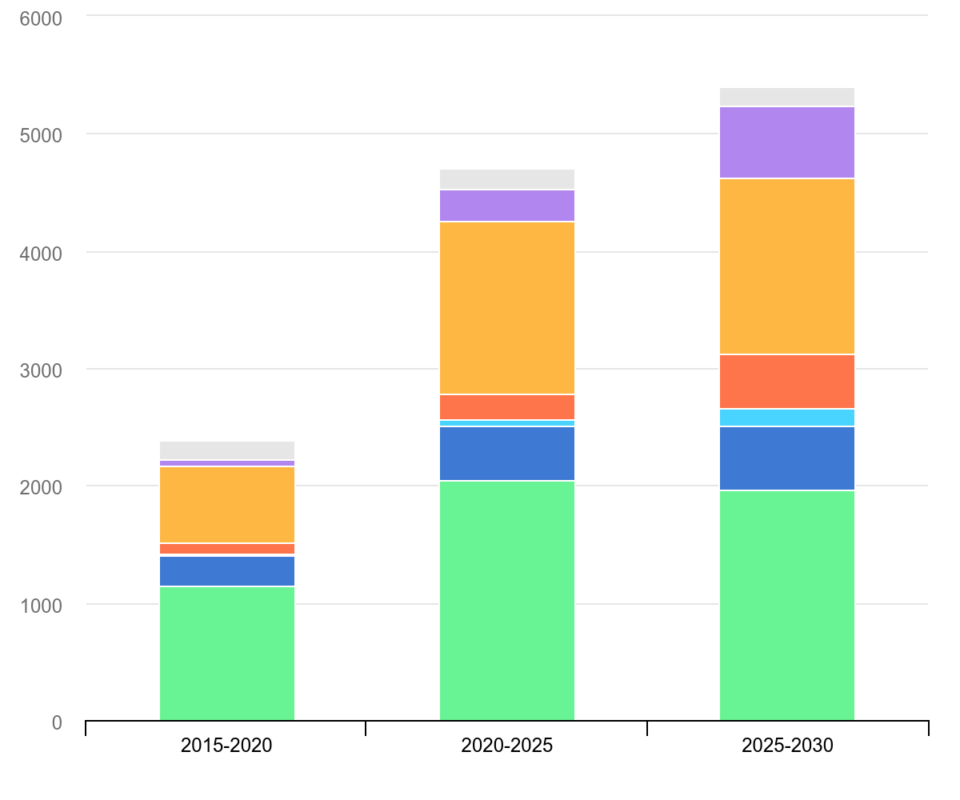
China will be the single largest contributor to global demand growth, accounting for almost 50% over the next four years and adding new power capacity equivalent to the total consumption of the EU today. India and Southeast Asia are also set to see “substantial” demand growth, driven by increased use of air conditioning and “robust” economic growth in the region.
In its World Energy Outlook report last November, the head of the IEA, Fatih Birol, said that “Slowly but surely, China will be replaced by India, Southeast Asia, Latin America and a few other emerging countries” as the drivers of global demand growth, describing the world as “thirsty for energy”.

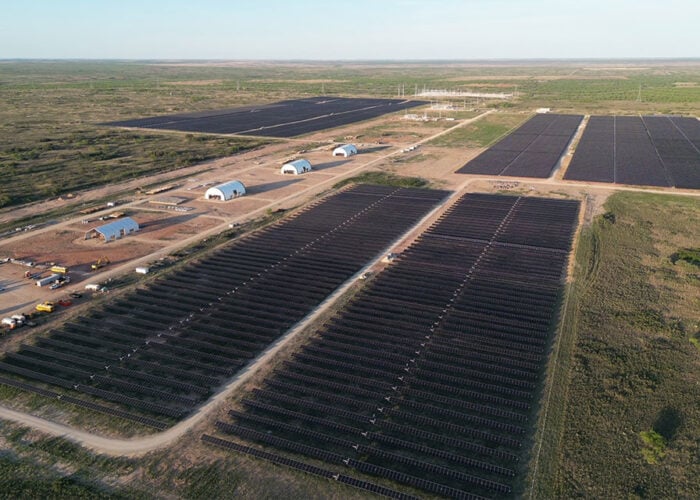
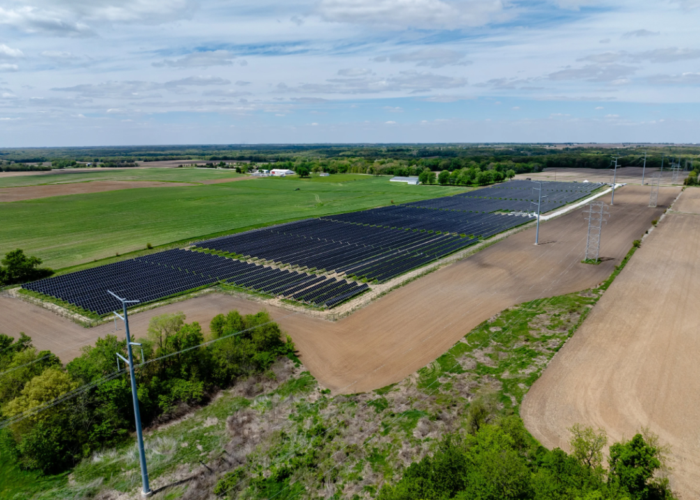
That thirst will be quenched by renewable energy and nuclear power, the IEA’s recent report said, which will generate 50% of global electricity by 2030, an 8% increase on the proportion today. Renewable output will grow by around 1,000TWh annually, led overwhelmingly by an expansion in solar PV deployments, which will add around 600TWh a year. The IEA’s forecast said that PV additions will expand in 2026 and then contract slightly for the following four years, though still adding over 600TWh of new capacity annually. The next highest power additions come from wind power, natural gas and nuclear energy.
As well as its low-emissions credentials, solar PV offers the fastest and cheapest technology for adding new power capacity in most of the world. The IEA’s report also found that utility-scale battery storage additions have risen “sharply”.
“At a moment of significant uncertainty across energy markets, one certainty is that global electricity demand is growing much more strongly than it did over the past decade. In this Age of Electricity, the increase in global power consumption through 2030 is set to be equivalent to adding more than two European Unions,” said IEA director of energy markets and security Keisuke Sadamori.
The changing dynamics of power generation, with rising demand, renewable energy sources and changing consumption patterns, call for “rapid and efficient expansion of both electricity grids and system flexibility”, the IEA said. “Today, more than 2,500 gigawatts worth of projects – encompassing renewables, storage, and projects with large loads, such as data centres – are currently stalled in connection queues worldwide,” the report continued.
To meet forecast demand increase by 2030, grid investments need to increase by around 50%, the report said, to reach around US$600 billion annually. Using more grid-enhancing technologies like dynamic line rating and advanced power flow controls, along with regulatory reforms, could “free up enough capacity to connect around 1,200-1,600GW of “advanced-stage projects currently stuck in queues worldwide”, the report said.