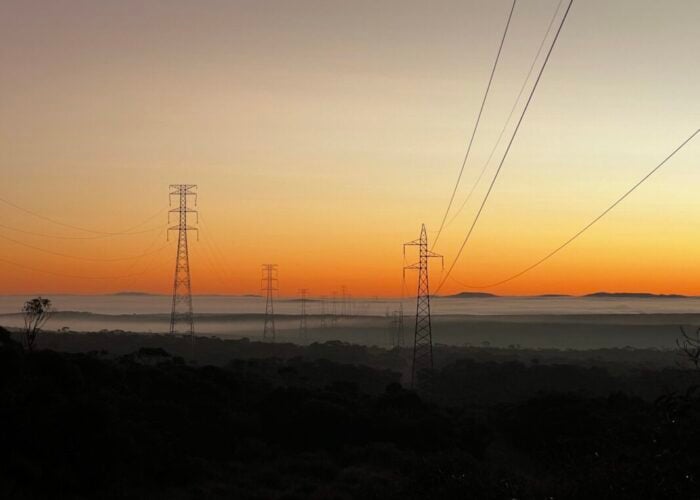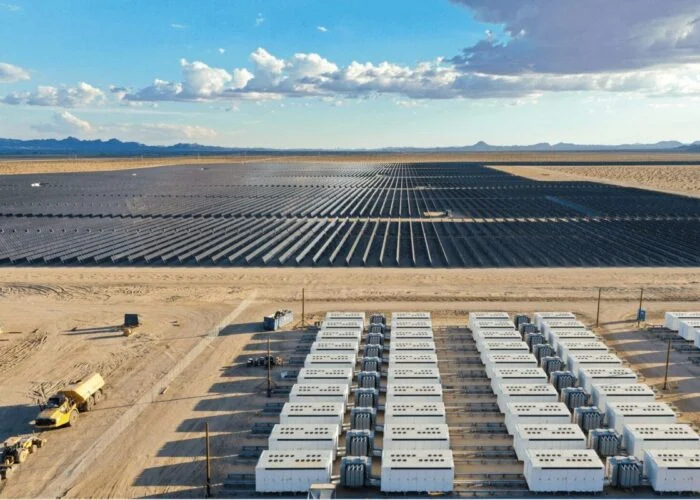
At least 120GW of renewable energy projects in the European Union are at risk by 2030 due to grid constraints, according to a report from think tank Ember.
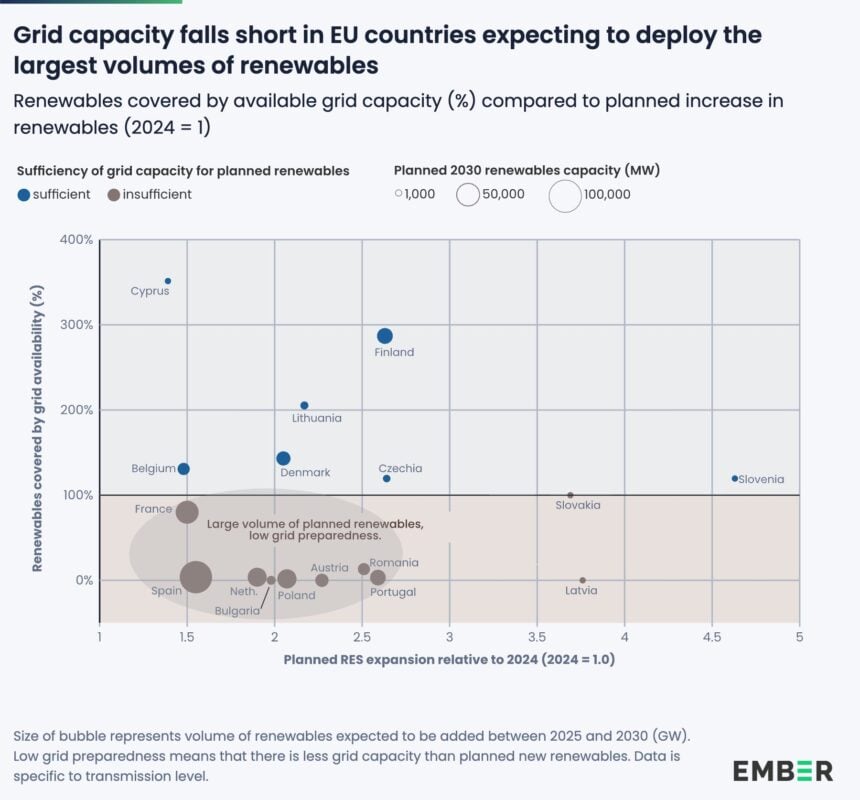
In its analysis, Ember examined grid capacity across 20 EU countries and found major gaps at the transmission level between planned renewables deployment and available grid capacity.
Try Premium for just $1
- Full premium access for the first month at only $1
- Converts to an annual rate after 30 days unless cancelled
- Cancel anytime during the trial period
Premium Benefits
- Expert industry analysis and interviews
- Digital access to PV Tech Power journal
- Exclusive event discounts
Or get the full Premium subscription right away
Or continue reading this article for free
It identified a possible shortfall of 104 GW that would affect utility-scale solar and wind projects, a figure that could be even higher, as major power systems such as Germany and Italy do not publish their grid capacity data, Ember added.
More than half of the countries reported are facing transmission bottlenecks, with two-thirds (66%) of the 158GW of renewables that the countries expect to roll out by 2030 may not materialise, due to projects being unable to connect to the grid network.
In eight countries – Austria, Bulgaria, Latvia, the Netherlands, Poland, Portugal, Romania and Slovakia – available grid capacity can accommodate less than 10% of the renewables planned by 2030.
In the case of the Netherlands, the issue is already proving a challenge, added Ember, citing an IEA report highlighting the challenges faced here by grid bottlenecks. Other countries could also face an nearer-term deployment problems, with nine of the 17 reporting countries expected to face a “grid capacity crunch” by 2028, Ember said.
700GW renewables in grid queue
If grid capacity is an issue in the coming years, this is amplified by the volume of renewable energy projects awaiting grid connection.
Between ten countries – including Germany, Italy, France and Spain – there are currently nearly 700GW of solar PV and wind projects in the connection queue.
Ember added that in some cases, such as in Finland, the queue issue is “egregious”. Data reported from Finnish transmission system operator (TSO) Fingrid shows that it has received more than 400GW of electricity production enquiries. This represents more than 16 times the current existing size of all installed capacity in the country, which sits at 24.5GW.
“Although this includes speculative projects that will not ultimately be built, this illustrates the risk to new proposed installations,” explained Ember.
“Grids will determine the success of Europe’s mission to wean itself off imported fuels and expand its industrial base. Grid readiness is now an indicator of economic readiness, not a technical afterthought. Ambitions alone cannot move electrons,” said Elisabeth Cremona, senior energy analyst at Ember.
16GW rooftop solar at risk by 2030
At the distribution level, Spain and Poland have very limited potential for a demand increase that would stem from installing a heat pump or an electric vehicle charger. Only up to 3% of households could electrify their grids in Poland, while in Spain it’s only up to 2%.
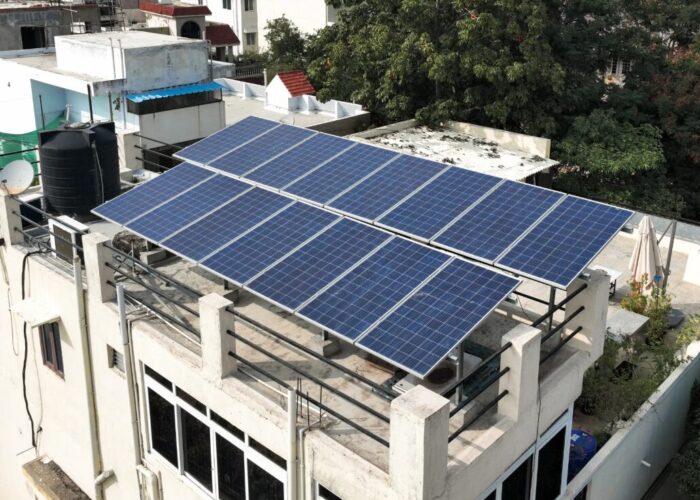
However, when it comes to adding new rooftop solar and securing a grid connection, Spain is at the forefront among EU countries – only 13 EU countries publish data on grid capacity for distribution networks. According to Ember, more than 1.5 million Spanish households are forecast to add new rooftop solar between 2025 and 2030, which represents the same number as EU households that could face delays to connect their solar arrays. This represents at least 16GW of rooftop solar planned by 2030 that is at risk.
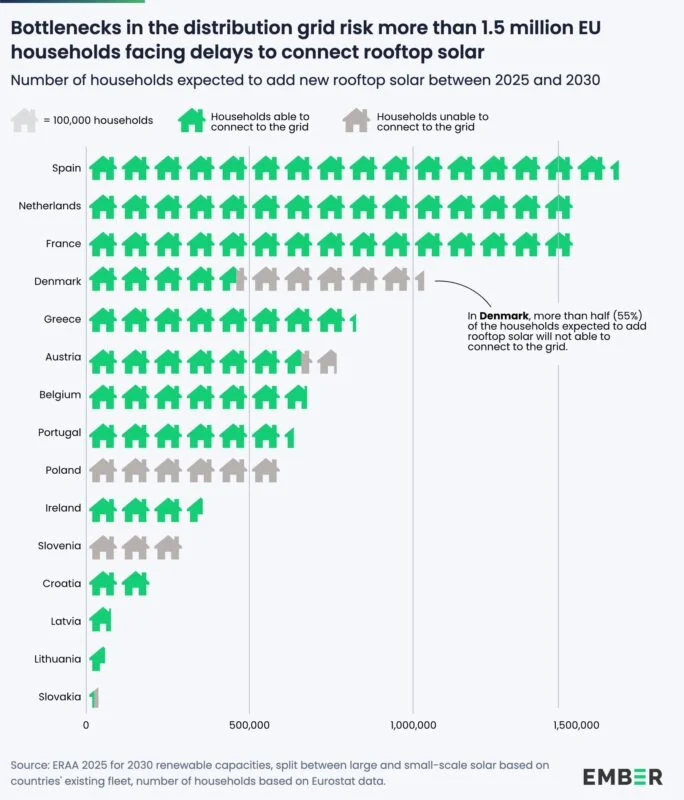
As shown in the chart above, in Denmark, more than half (55%) of the households expected to add rooftop solar won’t be able to do so, which represents more than half a million households. Poland is the other country with more than half a million households that would not be able to add new rooftop solar.
Ensuring sufficient capacity in distribution networks is crucial, as rooftop installations account for 61% of the EU’s installed solar capacity at the end of 2025, according to data from trade body SolarPower Europe.
Immediate solutions
Despite the risk of renewables getting stuck in interconnection queues, Ember highlighted three immediate measures that can be quickly implemented to unlock capacity on the current grid.
Among the solutions, Ember said that non-wire solutions, such as grid-enhancing technologies (GETs) and non-firm connection agreements, can rapidly unlock additional grid capacity without new infrastructure. The think tank added that GETs can improve utilisation of existing networks, while non-firm connections “allow more users to connect under flexible conditions”. Currently, 15 EU member states have introduced frameworks for non-firm connection agreements, with Dutch TSO TenneT unlocking 9.1GW of grid capacity thanks to it.
These measures could unlock up to 185GW of grid capacity across Europe, covering the shortfall identified by Ember’s report.
Furthermore, Ember also mentioned targeted allocation of grid capacity to improve connection efficiency as well as reforming connection processes to prioritise viable projects as other short-term solutions. The latter solution would help clear backlogs, but also clear out speculative or duplicate projects that are in the connection queue.
In the UK, the grid was recently reformed to move from a “first-come, first-served” to a “first-ready, first-connected” approach, with the first projects receiving firm grid dates in March of this year.
More recently, the Spanish government passed a new legislation (in Spanish) that had a series of measures in favour of renewables and in response to the energy impact of the Middle East conflict. Among these measures was the change in how grid capacity is allocated to projects. Spain aims to maximise the use of the existing networks and discourage speculation and hoarding of capacity in the interconnection queue with projects that are not progressing at all or far from being ready.