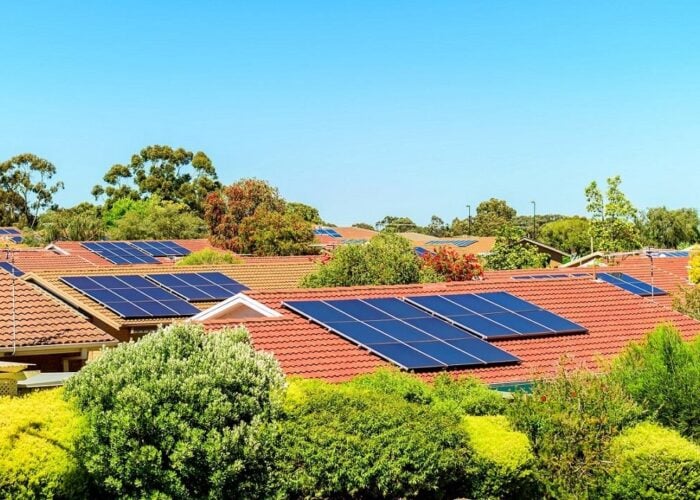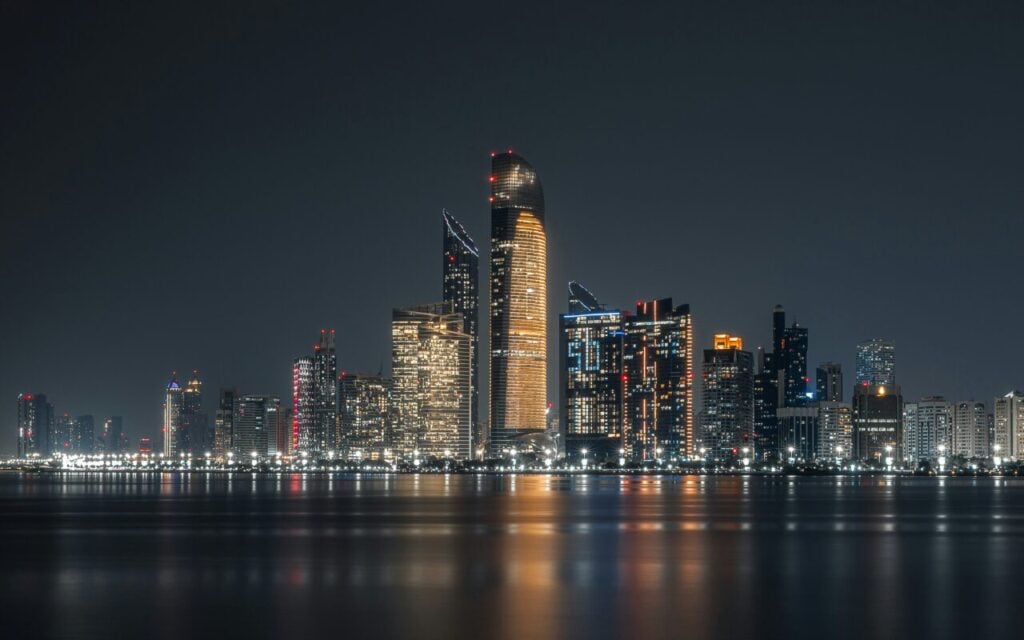
The Abu Dhabi Department of Energy (DoE) has launched the second phase of its Solar Energy Self-Supply Policy, which aims to accelerate the deployment of solar projects on residential buildings.
This phase will introduce “a simplified regulatory framework” for homeowners to install and operate solar PV and battery energy storage systems (BESS) on their properties, and aims to “streamline installation and grid connection procedures”. The policy will also look to standardise technical requirements for residential solar and storage projects to encourage further deployment of the technologies.
Try Premium for just $1
- Full premium access for the first month at only $1
- Converts to an annual rate after 30 days unless cancelled
- Cancel anytime during the trial period
Premium Benefits
- Expert industry analysis and interviews
- Digital access to PV Tech Power journal
- Exclusive event discounts
Or get the full Premium subscription right away
Or continue reading this article for free
While the DoE did not specify a target for new residential capacity additions across a particular timeframe, it said that the policy would look to enable residential customers to meet “a significant share” of their daily energy demand during the day, reducing the stress on the city’s grid infrastructure. The majority of the city’s investment in the solar sector has come in the utility-scale segment—highlighted earlier this year by the completion of financing for the 1.5GW Khazna project—but the two phases of the self-supply policy represent a change in emphasis for the city.
“We are strengthening partnerships in the transition towards clean energy, contributing to a more balanced and sustainable energy mix by empowering a broader segment of society,” explained his excellency Abdulaziz Mohammed Al Obaidli, director general of regulatory affairs at the DoE.
The announcement follows the launch of the first phase of the programme last month, which aimed to facilitate new solar deployments in the city’s agricultural sector, as the city looks to expand its solar sector byond utility-scale generation. Abu Dhabi is aiming for clean energy to account for 60% of its electricity generation by 2035.