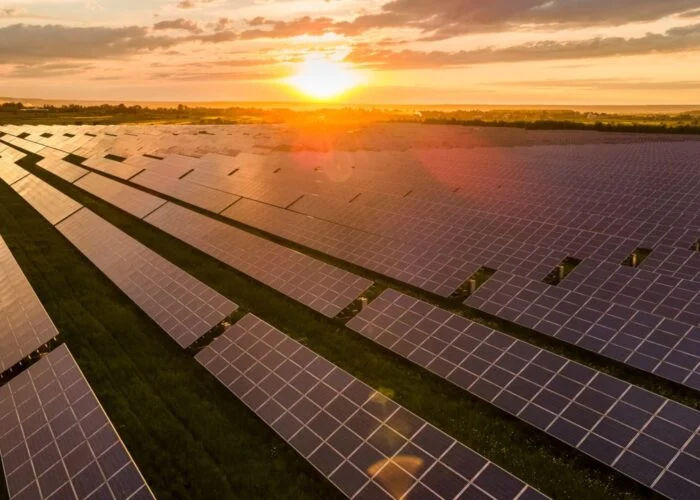
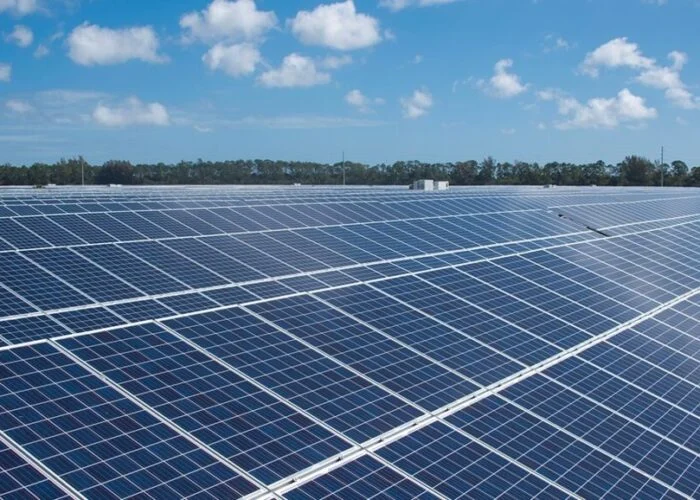
Product Briefing Outline: First Solar’s FS Series 2 PV Modules are designed for use in grid-connected, commercial power plants and are sold to leading system integrators, independent power project developers and utility companies worldwide. The modules are CdTe thin film in construction that will generally produce more electricity under real-world conditions than conventional solar modules with similar power ratings and the lowest cost per watt overall.
Problem: Cadmium Telluride is a direct bandgap semiconductor, which enables it to convert solar energy into electricity more efficiently (i.e., more watts per kg of material) than the indirect bandgap semiconductor materials used historically. As a result, it is capable of converting solar energy into electricity at an efficiency level comparable to historical technologies, but uses only about 1% of the semiconductor material required by traditional PV technologies.
Try Premium for just $1
- Full premium access for the first month at only $1
- Converts to an annual rate after 30 days unless cancelled
- Cancel anytime during the trial period
Premium Benefits
- Expert industry analysis and interviews
- Digital access to PV Tech Power journal
- Exclusive event discounts
Or get the full Premium subscription right away
Or continue reading this article for free
Solution: Solar cells become less efficient at converting solar energy into electricity as their cell temperatures increase. However, the efficiency of Cadmium Telluride is less susceptible to cell temperature increases than traditional semiconductors, enabling First Solar thin film modules to generate relatively more electricity under high ambient (and therefore high cell) temperatures. The semiconductor material also converts low and diffuse light to electricity more efficiently than conventional cells under cloudy weather and dawn and dusk conditions. CdTe permits simple device structures and manufacturing processes, leading to low cost production.
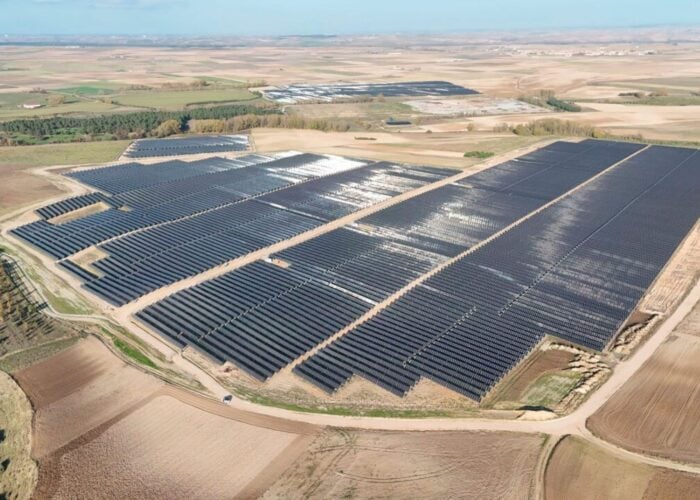
Applications: Free Field Power Plants: Multi-megawatt grid-tied free field applications
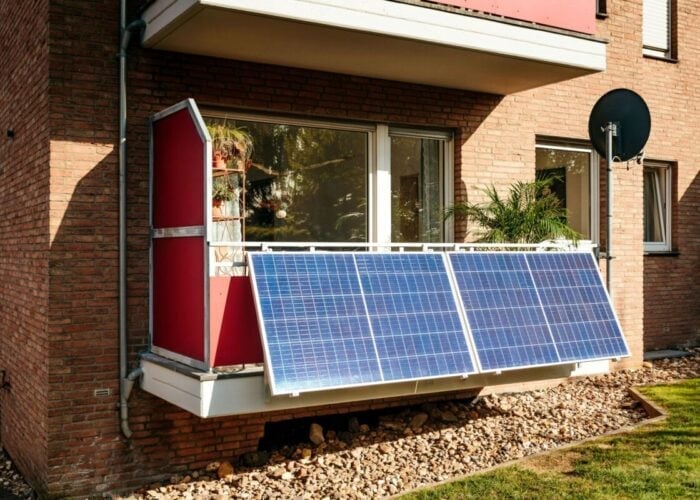
Commercial Rooftop Systems: Large grid-tied, commercial rooftop applications
Platform: Front (substrate) and back (cover) laminated glass sheets are heat-strengthened to withstand handling and thermally induced stresses, while avoiding breakage over the 25+ year module life. Manufactured in highly automated state-of-the-art facilities certified to ISO9001:2000 quality and ISO14001:2004 environmental management standards. Tested by leading US and European institutes and certified for reliability and safety: Safety Class II; IEC 61646; CE Mark & UL 1703.
Availability: Currently available.