Germany is poised to introduce new rules aimed at removing electricity peaks and negative pricing associated with excessive generation of solar power at certain times of day.
The German parliament has approved the “solar peak” legislation that will remove feed-in tariff compensation at times of negative pricing, which occur when PV systems generate more electricity than is consumed.
Try Premium for just $1
- Full premium access for the first month at only $1
- Converts to an annual rate after 30 days unless cancelled
- Cancel anytime during the trial period
Premium Benefits
- Expert industry analysis and interviews
- Digital access to PV Tech Power journal
- Exclusive event discounts
Or get the full Premium subscription right away
Or continue reading this article for free
According to official figures, PV accounted for around 15% of public net electricity generation in Germany. The growing penetration of solar power has led to an increase in negative pricing. In 2024, 457 hours of negative pricing were recorded, the majority coinciding with PV generation hours.
Until now, under Germany’s EEG renewables act, PV system owners have still been compensated during times of negative pricing, receiving a guaranteed feed-in tariff of €8.03 cents/kWh (US$8.41 cents/kWh) and, since February, €7.94 cents/kWh for plants up to 10kWp.
But under the law, which could come into force at the beginning of March, operators of new PV installations will no longer be compensated during times of negative pricing.
Systems that go online after the time of the legislation coming into force will also only be able to feed-in a maximum of 60% of the power they generated unless fitted with a smart meter.
The aim of the new rules is to avoid temporary production surpluses and negative pricing by encouraging system owners to feed in or use PV-generated electricity in ways that benefit the grid.
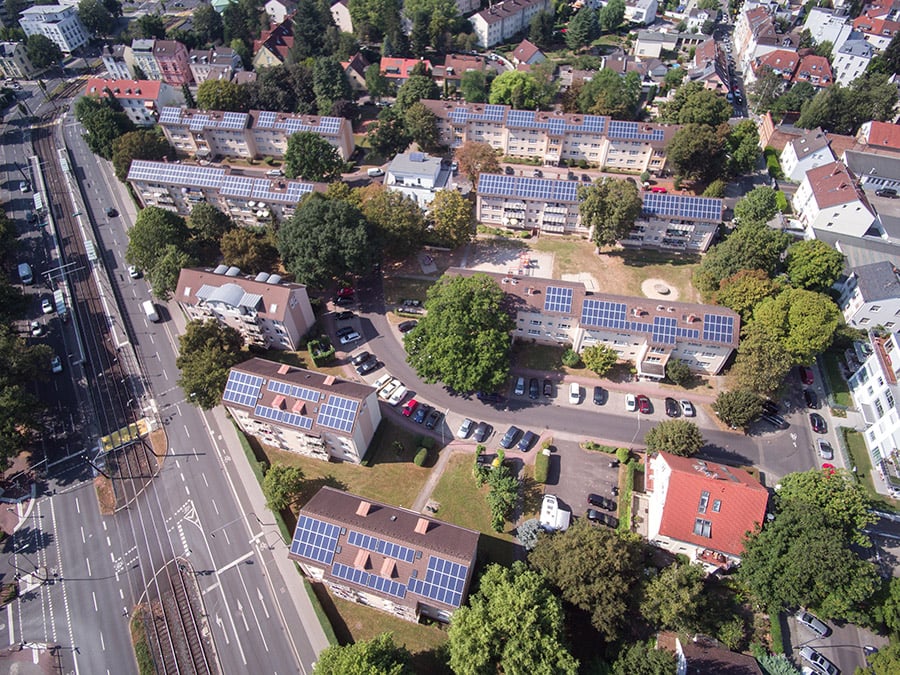
By emphasising the use of smart meters and intelligent control systems, the intention is that plant operators will maximise self-consumption or store electricity in a targeted manner. According to Germany’s solar trade body BSW, over 80% of residential PV systems are now being installed with a battery system.
A new compensation mechanism is to be put in place so that the subsidised solar power feed-in that was not compensated at times of negative electricity prices can be made up for by extending the approximately 20-year compensation period to reflect the number of negative price hours. This only applies to systems put into operation after the new rules come into force.
Operators of existing solar power systems can opt for the new regulation on a voluntary basis and will receive a remuneration increase of €6 cents/kWh for making the switch.
BSW said the new compensation mechanism and the emphasis on smarter use of PV-generated power meant the financial disadvantage for operators of solar systems should only be “limited”.
“By intelligently using and temporarily storing the solar power they generate themselves at times of negative electricity prices, they can even generate an economic advantage. In this way, they help to avoid electricity peaks and negative electricity prices and reduce the costs of the energy transition,” BSW said in a briefing note on the legislation.
Residential installer 1KOMMA5° wrote in a blog post on the legislative changes: “Self-consumption and intelligent networking are becoming more important: those who use their solar power themselves, store it or feed it into the grid flexibly will benefit the most in the future.”