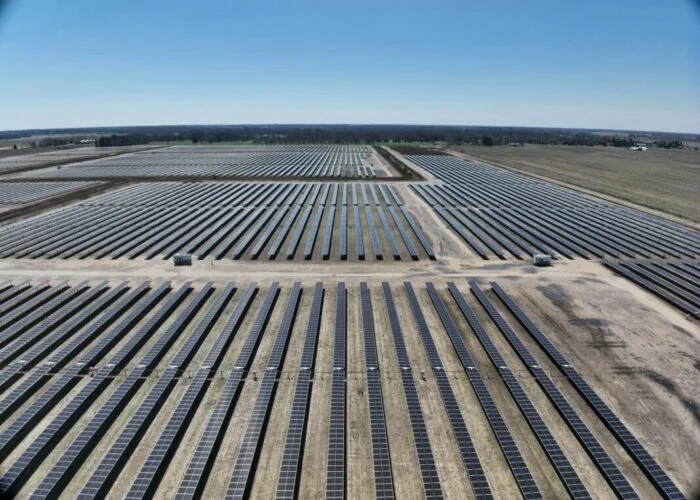
Solar PV project performance in the US can be significantly impacted by hailstorms and stowing methods, and projects face new challenges in the form of fire safety.
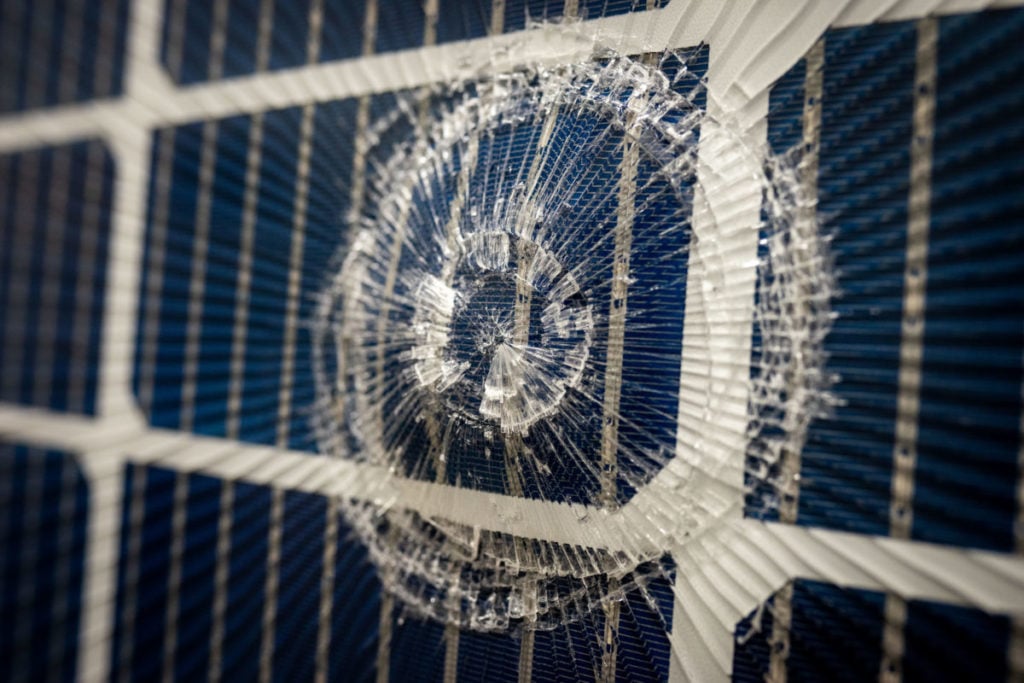
This is according to the latest report from US-based climate insurance provider kWh Analytics, which published the 2026 edition of its annual Solar Risk Assessment (SRA) report this week. The previous year’s report highlighted the impacts of hail on US solar projects—noting that hail accounted for 73% of financial losses for US solar, despite accounting for just 6% of all loss incidents—and the impacts of hail feature prominently in this year’s report.
Try Premium for just $1
- Full premium access for the first month at only $1
- Converts to an annual rate after 30 days unless cancelled
- Cancel anytime during the trial period
Premium Benefits
- Expert industry analysis and interviews
- Digital access to PV Tech Power journal
- Exclusive event discounts
Or get the full Premium subscription right away
Or continue reading this article for free
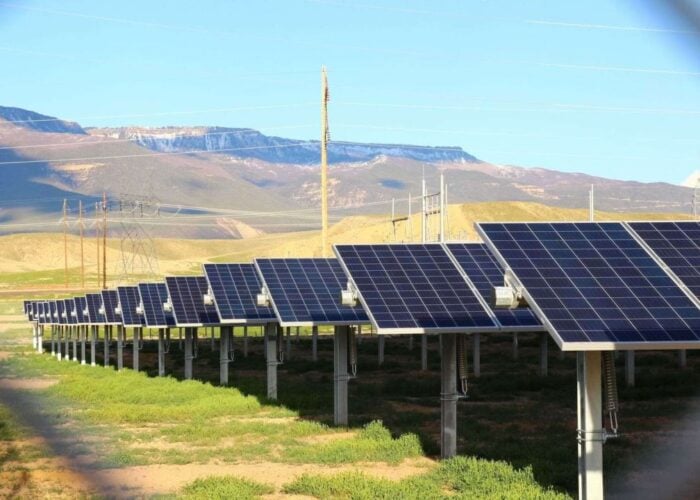
Specifically, a piece authored by kWh Analytics’s Nicole Thompson and GroundWork Renewables’ Colin Sillerud argues that better hail projections are required for projects in the US states. For 52% of the contiguous US, “some mitigation beyond standard 2mm/2mm glass modules is needed to keep risk below the threshold,” which is defined as hail damage driving losses of 10% of the asset’s overall value. The piece also argues that “robust stow”—the practice of stowing modules at an angle of at least 70 degrees—is a more effective tool in minimising the impacts of hailstorms than building more resilient modules by itself.
The report also notes that fire losses are a significant challenge for project operation, with a piece from kWh Analytics’ Charity Sotero describing it as “the second-largest loss driver,” based on analysis of over US$150 billion of renewable energy loss data. This is particularly significant because just 4% of PV fire loss incidents occur in “high-wildfire risk” areas, suggesting that it is not environmental conditions, but mechanical failures that drive these losses.
Indeed, the report notes that inverters are responsible for 44% of all PV fires and 80% of all equipment-driven brush fires. The significance of these losses can also vary considerably, with damage ranging “widely” from “zero loss” to as much as 80% of the total asset value.
Long-term risks for project performance
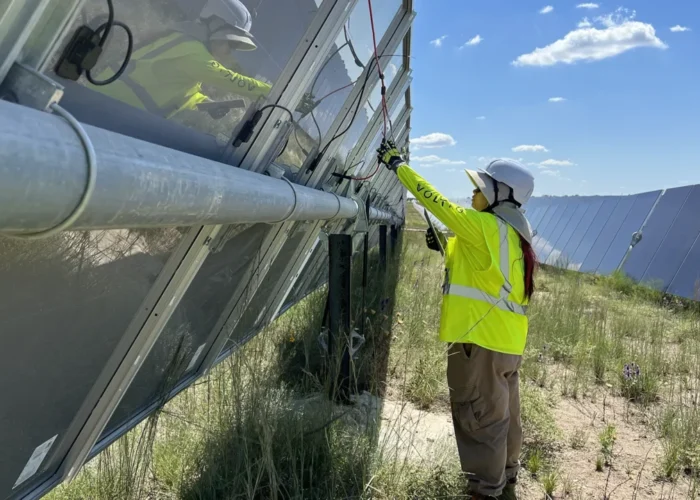
The report also notes that long-term tracker operation can have an impact on a project’s operational effectiveness. A piece from Frank Oudheusden and Chrisopher Needham of Azimuth Advisory Services describes the impacts of the “propeller effect”, where a row of modules on a tracker gradually rotates from the actuator towards the row end; this shift in actual module angle can lead to “localised shading losses” of over 30%.
The same piece notes that individual modules on an array can display a “twist” of one degree; this is not a significant angle, but the report notes that “this motion repeats with each tilt adjustment, resulting in hundreds of thousands of stress cycles over a project lifetime,” which is worth noting when considering a project’s long-term efficacy.
“Delivering durable, reliable, affordable renewable energy infrastructure requires the honest, data-driven exchange this report is built on,” said kWh Analytics CEO Jason Kaminsky. “The valuable research from this year’s SRA contributors reflects the rigorous thinking our industry needs to build robust infrastructure in a heightened risk environment. We are grateful for their meaningful collaboration.”