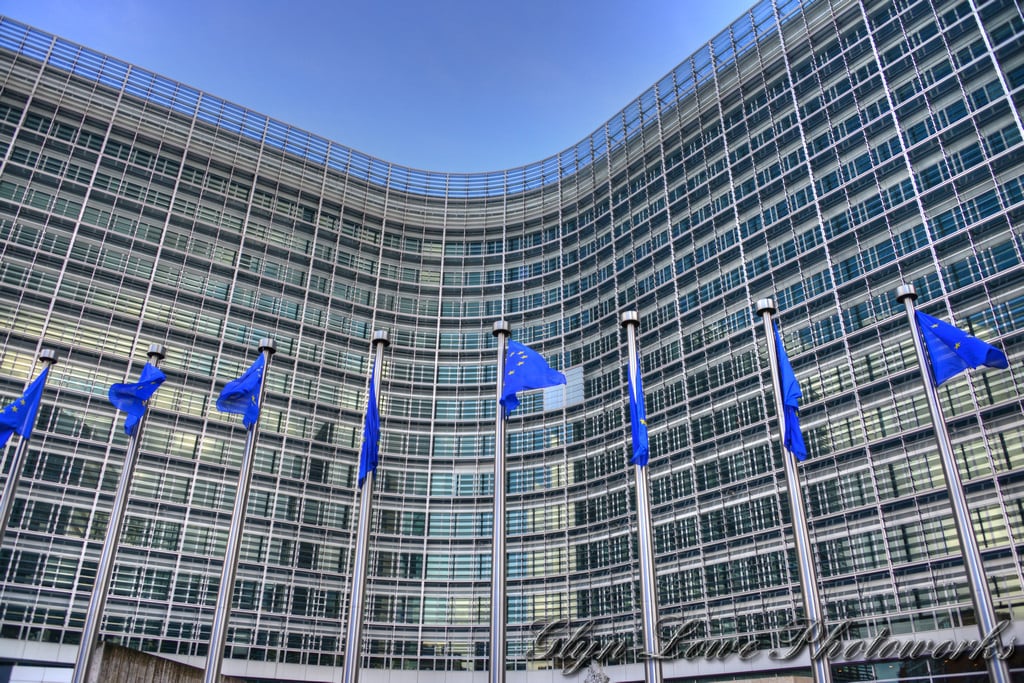
A hard Brexit would run the risk of endangering the UK's progress towards a more decarbonised and secure power market, a think tank in the country has warned.
This morning IPPR North reported its findings from ‘The Impact of Brexit on Energy in the North of England’ study, which concluded that a full withdrawal from Euratom, energy trade being left in the lurch with no formal agreement, and the UK’s withdrawal from participation in European energy research programmes such as Horizon 2020 would pose a significant threat to the UK's green economy.
Try Premium for just $1
- Full premium access for the first month at only $1
- Converts to an annual rate after 30 days unless cancelled
- Cancel anytime during the trial period
Premium Benefits
- Expert industry analysis and interviews
- Digital access to PV Tech Power journal
- Exclusive event discounts
Or get the full Premium subscription right away
Or continue reading this article for free
The report also claimed to uncover new information, including the revelation that the North of England receives 45% of the UK’s share of EU-originated renewable energy research funding, meaning the region would be unduly hit if it was to be withdrawn.
IPPR North concluded that in the absence of a “radical and significant overhaul of government intervention” required to replace roles which the current EU system maintains, the risks associated with a hard Brexit threaten to be unsafe for the industry, and could also derail emission reduction obligations and energy security.
“On energy alone, the government's industrial strategy will need to go from being a mere summary of current policy interventions undertaken by the government in the economy, to one of the most detailed and interventionist plans for a modern economy in the world, if it is to replace Euratom and the decades’ worth of expertise and programmes developed through pan-European co-operation,” Ed Cox, director at IPPR North, said.
“As the government has repeatedly said, leaving the EU does not mean leaving Europe, and if [it] looks as though Brexiteers can’t deliver on their promises, we must continue to have the closest possible relationship with our nearest neighbours on energy,” he added.