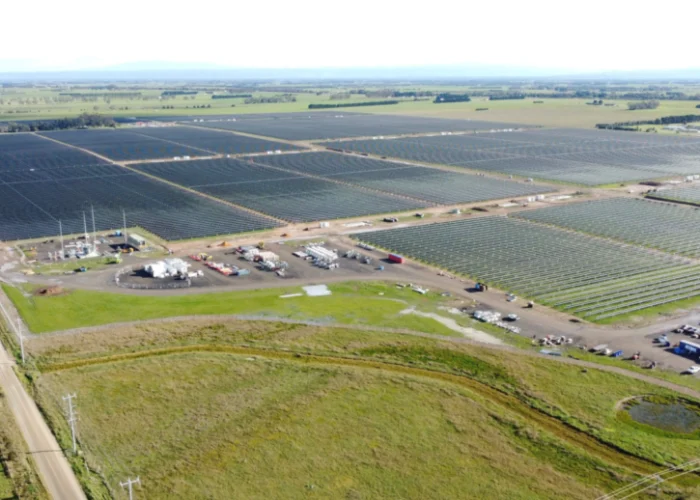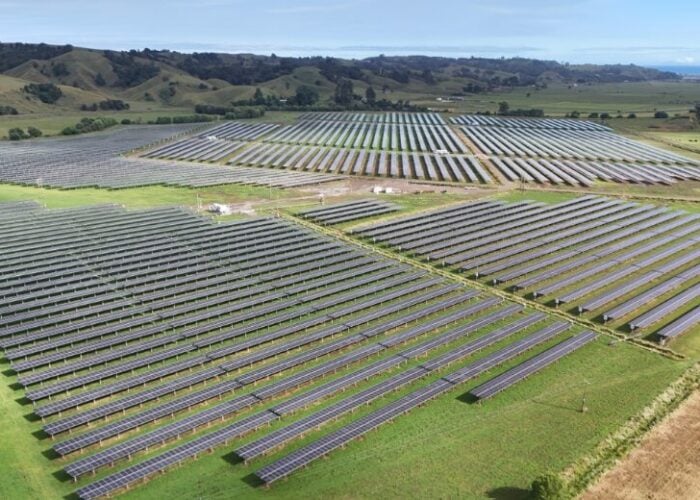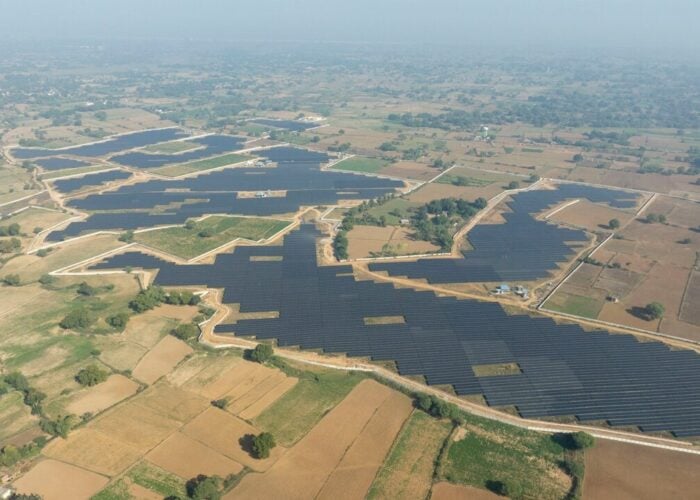
Indian renewables will be allowed to remain operational to a degree as one of the core sectors of a country embracing shutdown measures to contain the COVID-19 emergency.
Earlier this week, the government of the world’s second most populous country sent a letter ordering state-level, local and police representatives to treat green energy plants as an “essential service”, following the declaration of a total lockdown on 25 March 2020.
Try Premium for just $1
- Full premium access for the first month at only $1
- Converts to an annual rate after 30 days unless cancelled
- Cancel anytime during the trial period
Premium Benefits
- Expert industry analysis and interviews
- Digital access to PV Tech Power journal
- Exclusive event discounts
Or get the full Premium subscription right away
Or continue reading this article for free
The directive from India’s Ministry of New and Renewable Energy (MNRE) says the shutdown measures – which will force the confinement of one-billion-plus people for an initial 21 days – create a need to ensure “uninterrupted” power supply, from sources including renewables.
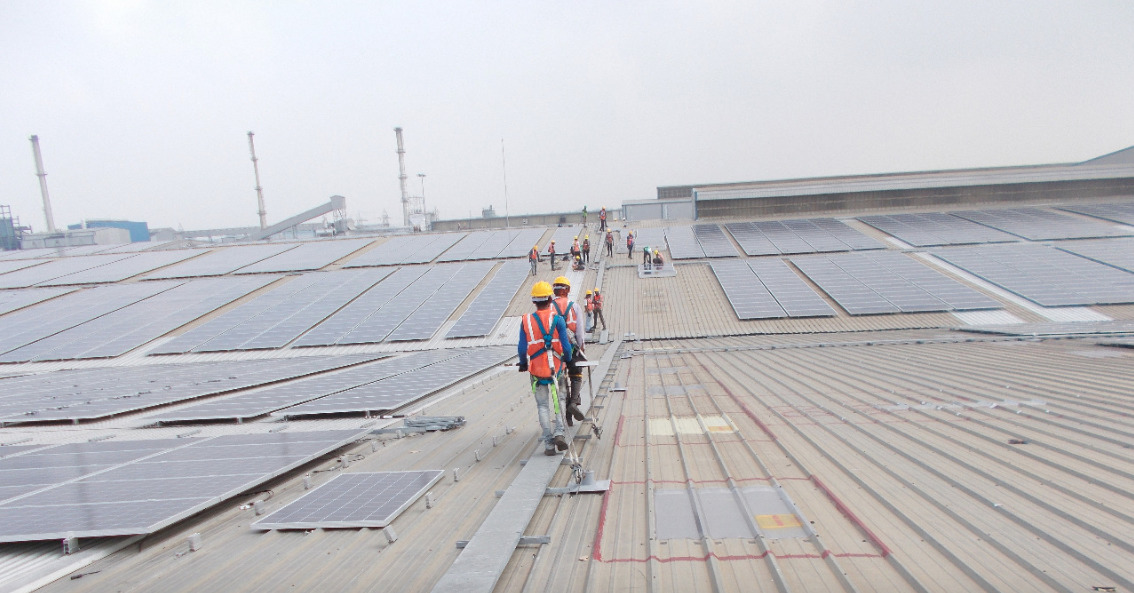
As such, authorities at all levels will have to allow a “minimum manpower” of industry staff, associated workforce and field engineers to reach renewable plants. A “minimum staff” will be permitted to work at associated offices, with special passes granting the right to move around.
The dispensation will extend to vehicles and equipment including energy storage batteries, electrical devices and maintenance tools. Restrictions on public gatherings will be waived where the operation and maintenance of renewable plants requires it, the order states.
‘Essential’ RES campaign builds as COVID-19 nears 500,000 cases
India’s move to enshrine renewable energy as an essential activity emerges as mass confinement plans kick in across the globe. As of 24 March 2020, an estimated third of the world’s population is reportedly under lockdown measures of some form or another.
As confirmed COVID-19 cases start nearing the global 500,000 mark, the calls for renewables to be deemed essential – and thus spared from a total lockdown – are intensifying. From California to Spain and Australia, green energy associations are lobbying governments to move in this direction.
As for India, its decision this week marks the latest in a series meant to protect its renewable sector from the disruption brought about by the virus. Over the weekend, the country confirmed the pandemic will be accepted as a ‘force majeure’ event, paving the way for deadline reprieves.
The fast-spiralling health emergency adds another obstacle to India’s renewable ambitions. Prior to the COVID-19 outbreak, analysts had warned that the country’s plans to take installed green energy capacity to 175GW by 2022 – up from 82.58GW last September – could be set for failure.
According to local operators approached by PV Tech last month, the COVID-19 fallout could be significant for solar. Some warned a 3GW fleet of industry projects risks missing construction deadlines as component delays worsen, exposing developers to financial penalties.
See here to read the Indian government's letter in full
PV Tech has set up a tracker to map out how the COVID-19 pandemic is disrupting solar supply chains worldwide. You can read the latest updates here.
If you have a COVID-19 statement to share or a story on how the pandemic is disrupting a solar business anywhere in the world, do get in touch at [email protected] or [email protected].