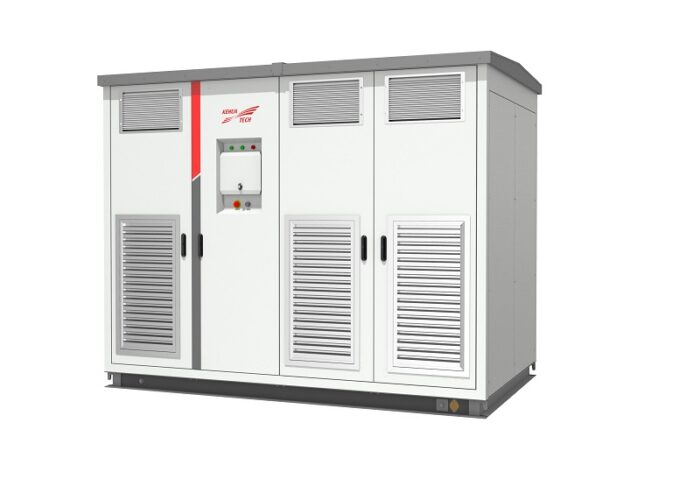
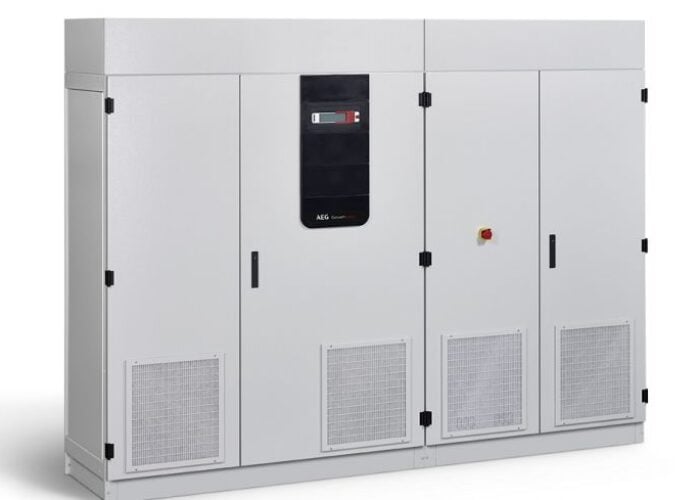
Kehua Tech’s latest 4.167MW central inverter solution, the SPI4167K-B-HUD comes with a unique power range and multiple technical innovations to be fully compatible with the new era of large-area high-performance PV modules that can exceed 660W.
A multi-gigawatt co-location market looks set to take off within the next five years, however uncertainty over DC coupling, the need for costly symmetric grid connections and outdated regulatory frameworks risk stymying the market’s growth.
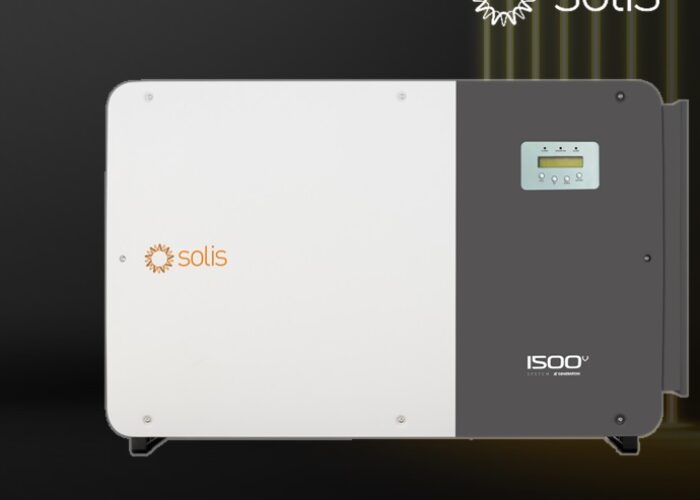
Ginlong Solis has introduced to the European market its latest utility-scale string inverter. The ‘Solis 255kW-EHV’ high voltage (1500V) inverter is designed to maximize PV power plant yields in the new era of high-performance large-area solar panels including bifacial panels, while significantly reducing plant LCOE (Levelized Cost of eElectricity) costs, compared to central inverters.
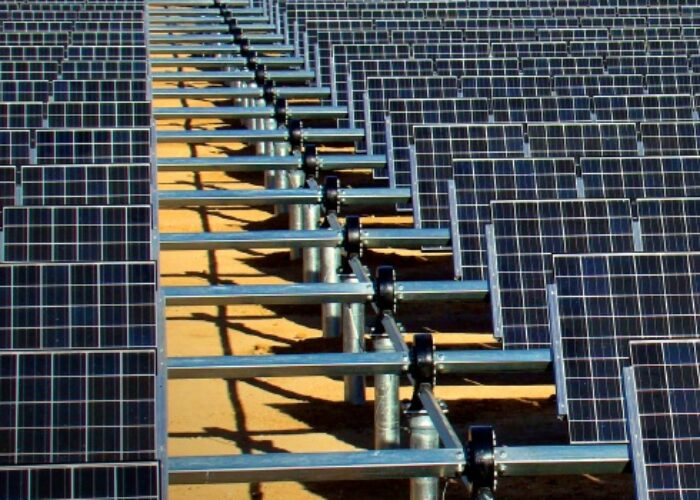
Soltec has launched its next-generation ‘SF8’ single-axis tracker system to meet the needs of utility-scale PV power plants adopting the new wave of large-area solar panels.
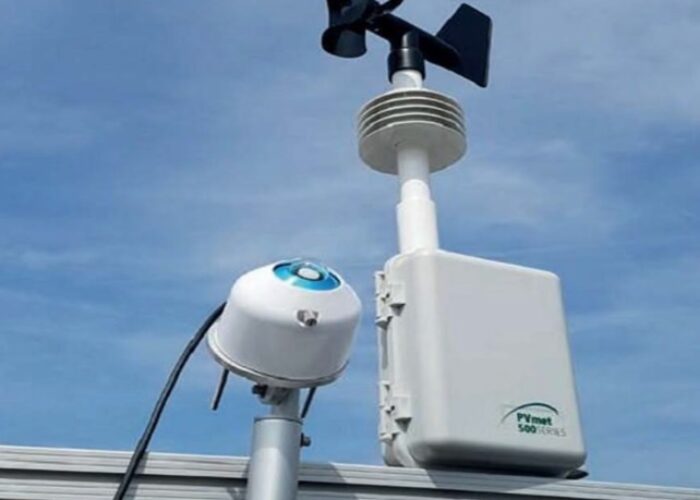
RainWise has introduced the ‘PVmet 500’ weather station series for commercial and utility-scale PV power plants, which is said to be the world’s first compact and customizable multi-function professional grade weather station specifically designed for PV efficiency monitoring. The PVmet 500 provides a cost-effective solution, measurement accuracy, and IEC-61724-1 compliance and handles multiple communication protocols for fast field acceptance.
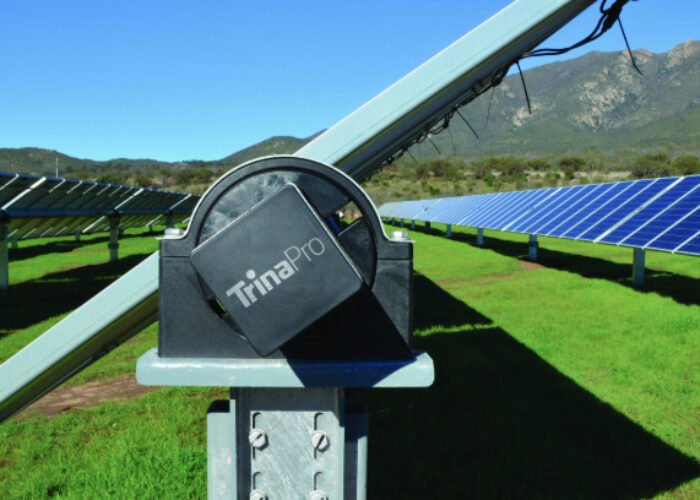
Trina Solar has taken full control of Spanish tracker system manufacturer Nclave, acquiring the remaining 49% stake in the company it did not already own.
Hungary’s first "city-owned smart grid project" will be powered by a 1.3MWp PV facility and supported by a 1.2MW lithium-ion battery energy storage system with a capacity of 2.4MWh.
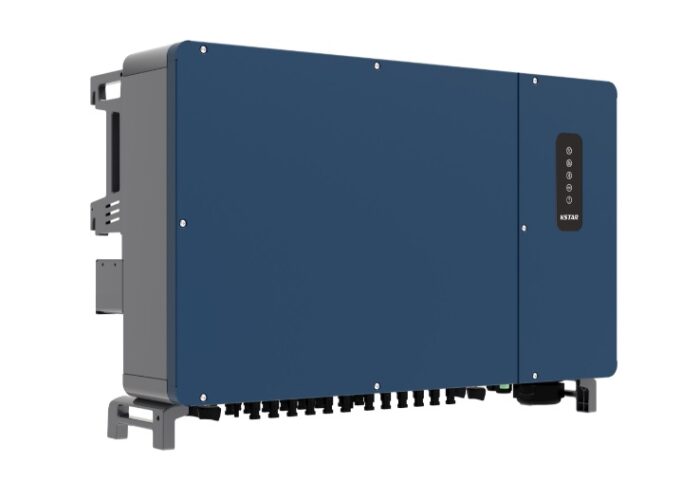
KSTAR has launched a new 1100V string grid-tied PV inverter with advanced features to support the adoption of high-performance bifacial modules and energy storage systems (ESS) for commercial & industrial (C&I) PV power plants designed to meet a wide-range of applications.