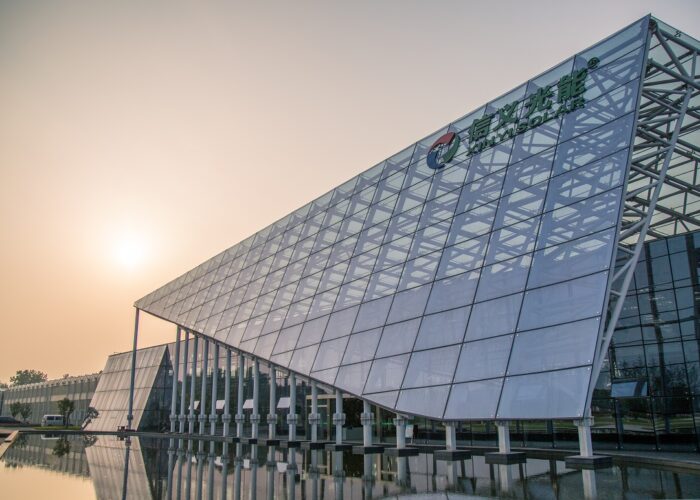
Solar glass provider Xinyi Solar has issued a profit warning after the price of solar glass fell and the price of key components and energy inputs rose.
Sungrow was the world’s biggest PV inverter company in 2021, shipping 47.1GW of products and expanding its production facilities in Asia, according to research firm IHS Markit.
German laser engineering company 3D Micromac is to supply its laser cutting technology to Enel Green Power’s 3Sun gigafactory in Sicily, Italy as the company strives to expand its production capacity of high-efficiency modules to 3GW by 2024.
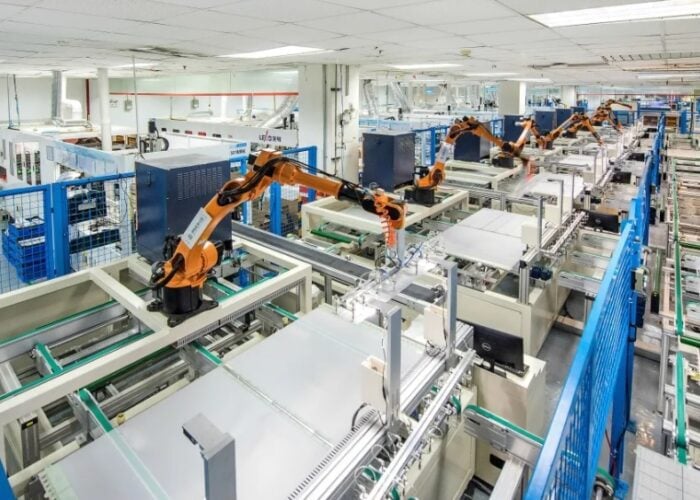
Trina Solar has started construction on a vast new industrial park in the central Chinese province of Qinghai that will cover almost the entire PV manufacturing chain from polysilicon production all the way down to modules.
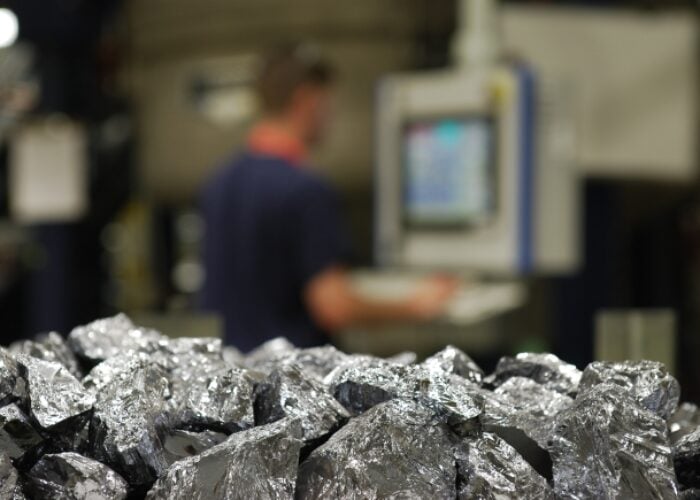
Tongwei has announced that its subsidiaries have signed a RMB50.9 billion (US$7.58 billion) silicon material sales contract for 216,100 tons with Qinghai Gaojing Solar Energy Technology Co., Ltd.
A newly formed consortium of four US solar companies has committed to spending US$6 billion on purchasing 6-7GW of crystalline silicon solar modules every year to encourage the rapid scaling of domestic solar manufacturing in the US.
The US’ Uyghur Forced Labor Prevention Act (UFLPA) has come into force today and assumes that any items “wholly or in part” made in China’s Xinjiang region are a product of the region’s alleged labour camps for ethnic minorities, meaning they are prohibited from entering the US.
After years of protracted disputes and business uncertainty, the US solar industry will soon find out the precise terms of the Uyghur Forced Labor Prevention Act (UFLPA) and its implications for the supply of solar products to the country.