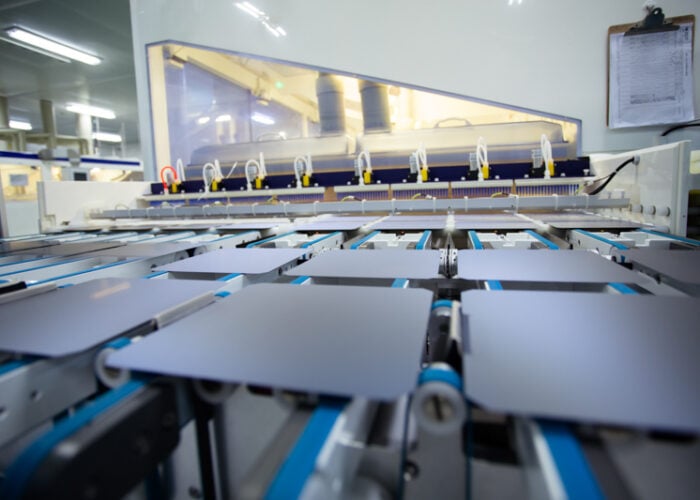
LONGi has increased its wafer prices for the first time in nearly two months with the industry braced for continued high prices throughout the rest of the year.
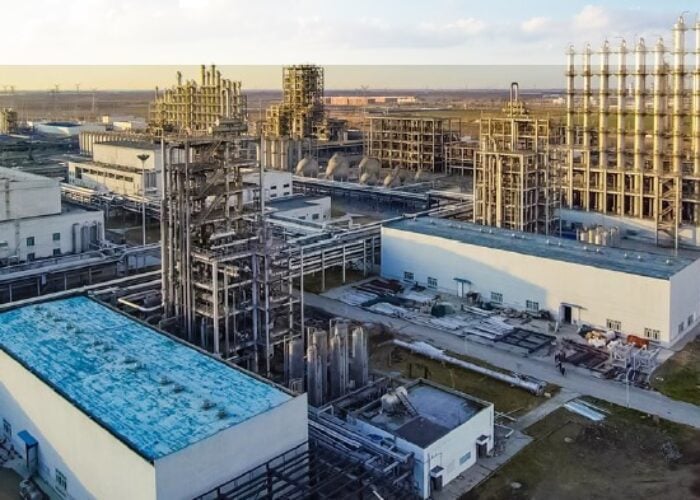
Major polysilicon producer Daqo New Energy has unveiled plans to increase its annual production capacity to 270,000 metric tons (MT) by 2024 while also plotting a course for dominance of the n-type polysilicon market.
Petitions have been filed in the US requesting the launch of investigations into several solar manufacturers accused of circumventing antidumping and countervailing duties by using entities based in Southeast Asia.
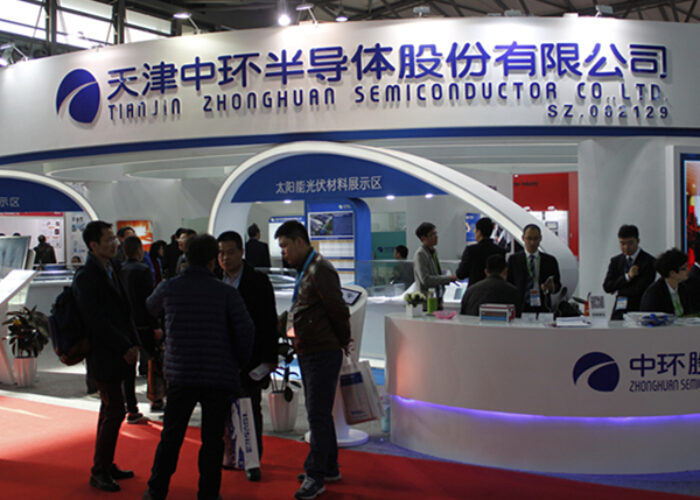
Tianjin Zhonghuan Semiconductor (TZS) has more than doubled its revenue in the first half of the year as the wafer provider took advantage of what it described as a rapidly developing PV industry.
An amendment added to the US budget resolution bill this week seeks to prevent renewables projects using technology built in China from claiming federal funds and subsidies. Liam Stoker explores the amendment’s potential to disrupt solar deployment.
Canadian Solar has tweaked its planned capacity expansions for this year, stripping back module assembly capacity expansion to instead produce more solar wafers and cells as the industry continues to recalibrate following months of supply chain volatility.
Canadian Solar reported record quarterly revenue in Q2 2021, buoyed by a return to profit from its manufacturing division, but reduced its total shipment guidance for the year amidst continued industry headwinds.
While solar deployment throughout Europe is expected to soar, can the same be said for manufacturing on the continent? As part of this week’s special feature on European solar, Liam Stoker assesses the potential for solar manufacturing to return to Europe.
First Solar has lowered its earnings and module shipment guidance for 2021 as the company continues to anticipate elevated shipping costs for the remainder of the year.
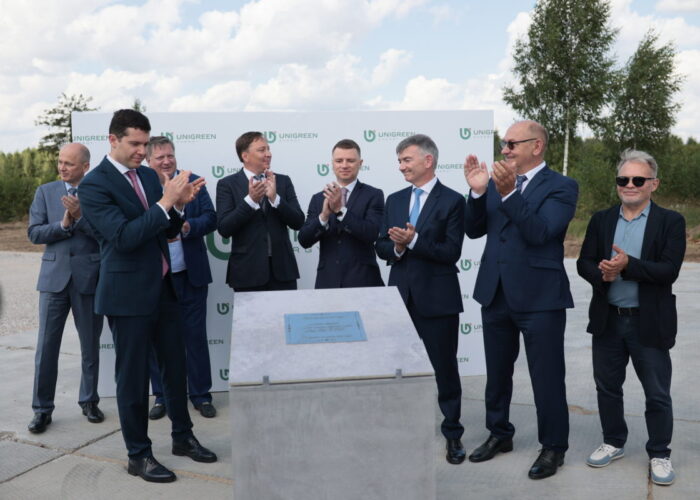
Unigreen Energy, owned by Hevel majority shareholder Ream Management LLC, has broken ground on a wafer and cell manufacturing plant that will produce 1.3GW of silicon n-type monocrystalline ingots and wafers as well as 1GW of heterojunction technology (HJT) solar cells.