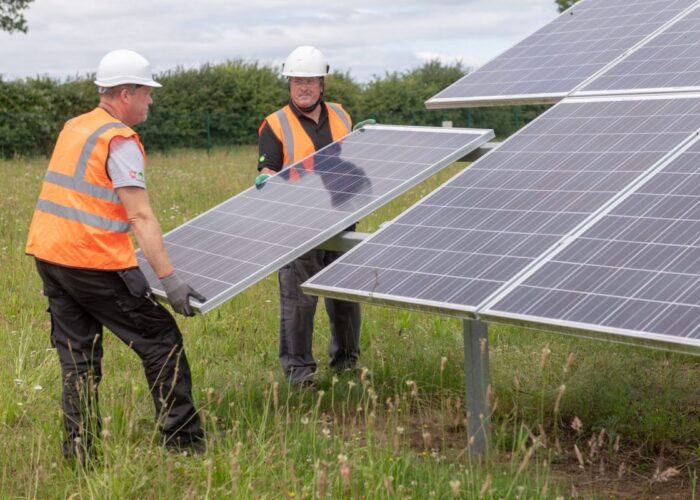
The levelised cost of electricity (LCOE) of solar in the UK could fall to just £28/MWh by 2040, according to new projections published by the country’s government.
Despite an uptick in activity in June, India added just 351MW of solar generation capacity in Q2 2020, down 64% on the previous quarter, as the industry was hit by COVID-related constraints.
The latest findings from PV-Tech’s unique bankability analysis – the PV ModuleTech Bankability Ratings report – have now been completed, forming the basis of the Q3’20 rankings for leading global module suppliers. This article discusses the main findings of the new report.
Major polysilicon and solar wafer producer GCL-Poly has warned investors that it expects to make a net loss of at least RMB1.5 billion (US$217 million) for the first half of 2020 as market demand and other issues impacted profitability.
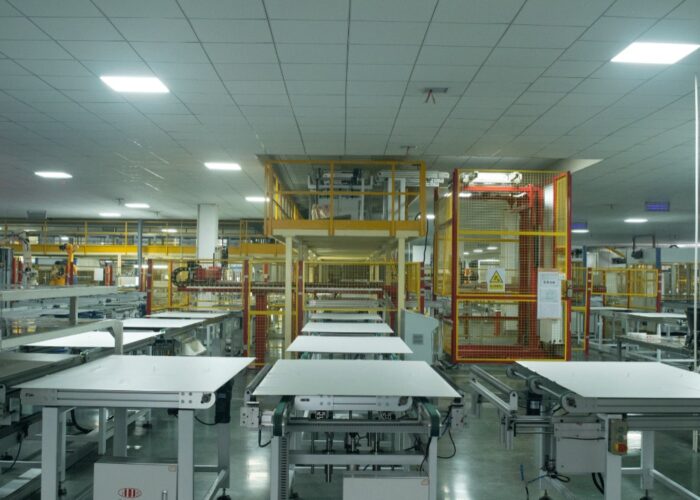
China-based PV module manufacturer ZNShine Solar plans to more than double its manufacturing capacity by 10GW over the next two years, focusing on large-area, high-efficiency modules to improve its competitive position.
India should put in place immediately a basic customs duty (BCD) of at least 50% on solar equipment to safeguard the future of local manufacturers, the chairman of trade body All India Solar Industries Association (AISIA) said.
Major polysilicon producer Daqo New Energy expects polysilicon demand to outstrip supply for at least the next 18 months, due to the lack of new polysilicon capacity and strong demand as a growing number of ‘Solar Module Super League’ (SMSL) members continue to add in-house monocrystalline ingot and wafer production.
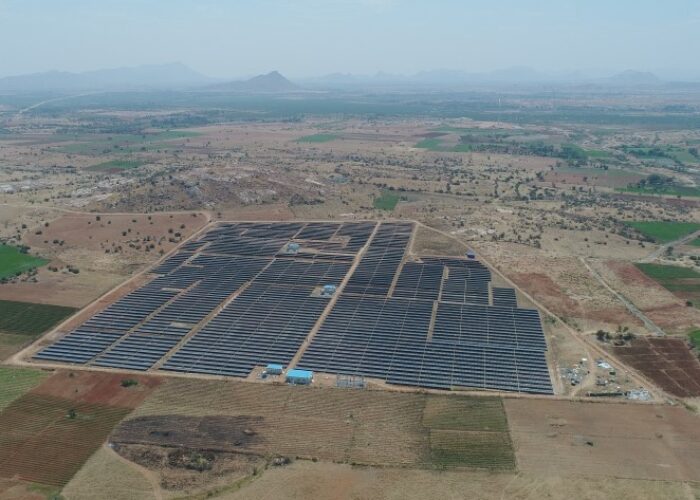
A strong rebound of utility-scale solar installations in India is not expected until 2021, with just 2.5GW expected to be deployed in the second half of this year, research from JMK Research & Analytics has found.