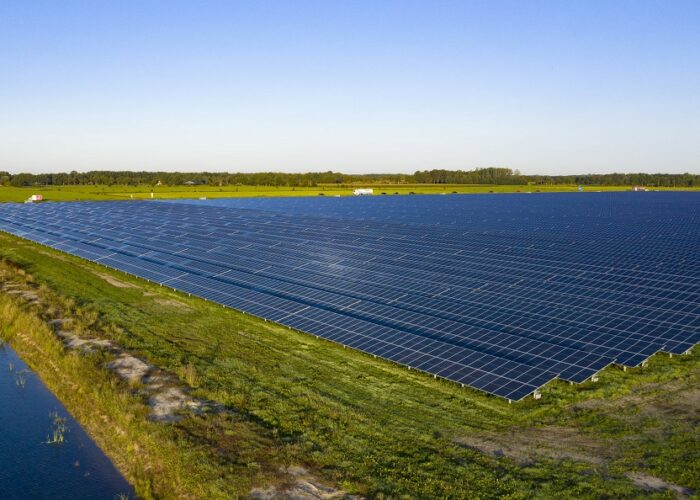
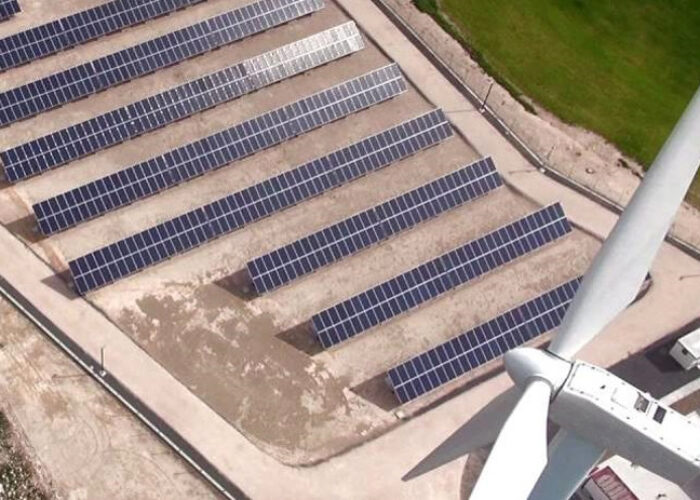
BayWa r.e. will explore how hydrogen production linked to a 50MWp solar farm in the Netherlands can ease grid congestion as part of a new pilot project alongside its Dutch subsidiary GroenLeven and network operator Alliander.
Western Australia has granted environmental approval for the first 15GW stage of a renewable energy hub focused on green hydrogen production that could eventually reach 26GW of solar and wind generation.
Solar is the “new king” of electricity, the International Energy Agency has said, with the asset class set to deploy more new capacity then any other technology each year for the coming decades.
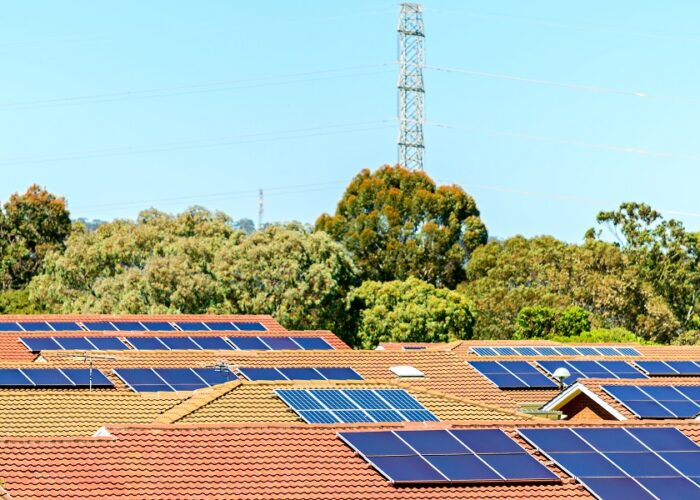
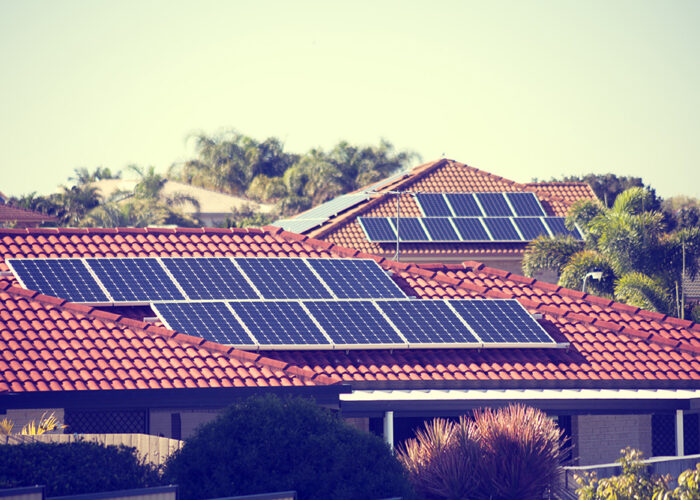
Rooftop PV is set to be the fastest-growing form of new capacity in Western Australia (WA), with renewable energy forecast to reach a minimum of 70% generation capacity by 2040, a new roadmap for the state reveals.
The cost-effectiveness of solar panels as well as new technology that allows households to sell surplus power to the grid will both be explored under two separate initiatives announced by the Australian Renewable Energy Agency (ARENA).
Smoke from wildfires in California caused solar-powered generation in the state to nosedive last month as airborne particles blocked out sunlight, according to the US Energy Information Administration (EIA).
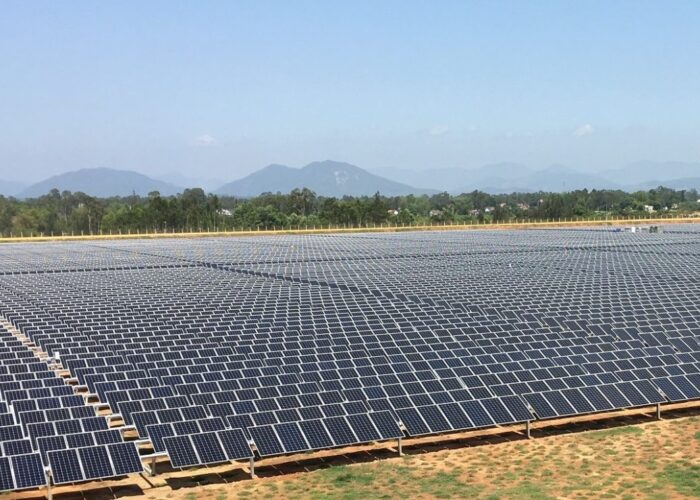
Vietnam will prioritise the development of renewables as the country’s government announces its ambition to invest around US$130 billion in new power plants and transmission networks over the next ten years.
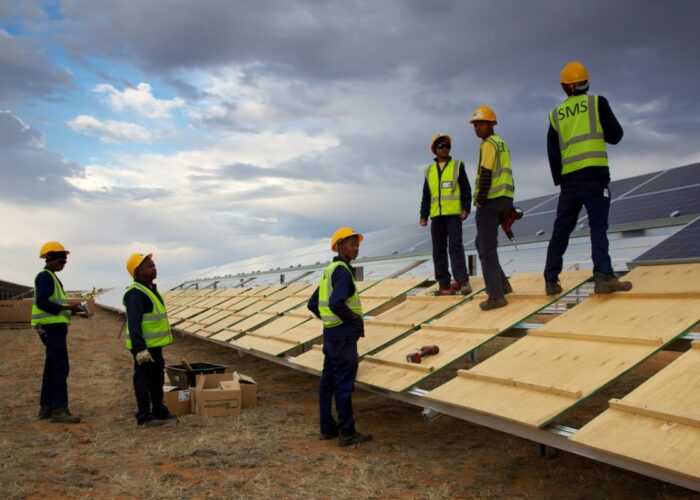
South Africa’s solar industry has welcomed new government plans to purchase 6.8GW of additional renewables from independent power producers as of 2022, but warned that an “urgent response” is needed to tackle the country’s ongoing energy crisis.
A multi-gigawatt co-location market looks set to take off within the next five years, however uncertainty over DC coupling, the need for costly symmetric grid connections and outdated regulatory frameworks risk stymying the market’s growth.