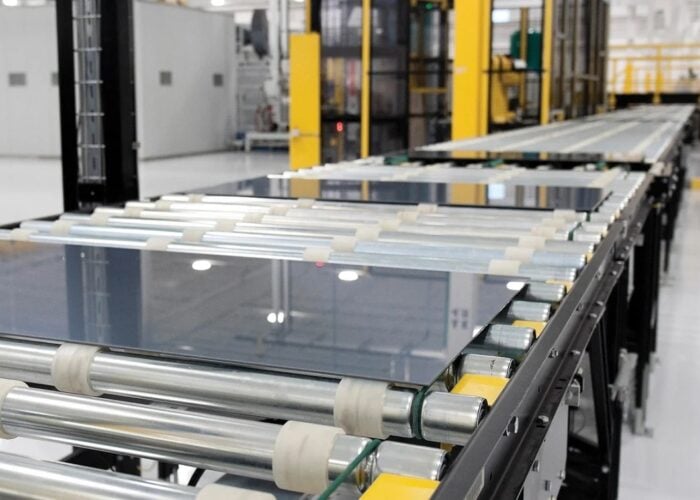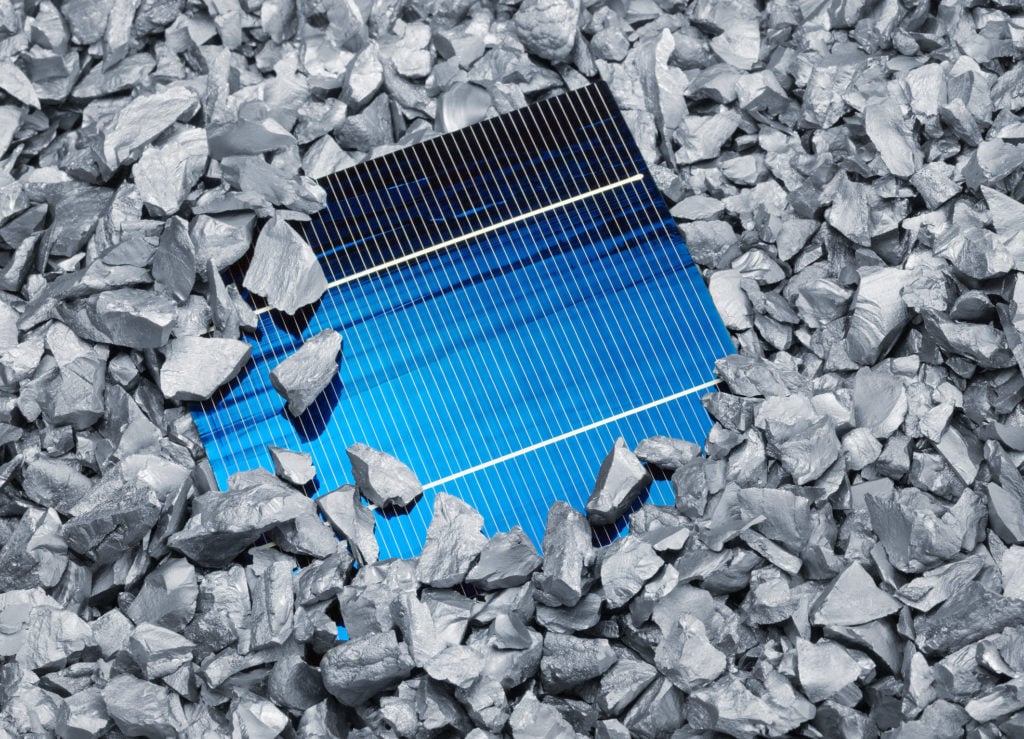
The US Geological Survey (USGS) has released the 2025 List of Critical Minerals, which includes silicon and tellurium.
Both minerals are essential for the production of n-type and thin-film cadmium telluride (CdTe) modules, respectively.
Try Premium for just $1
- Full premium access for the first month at only $1
- Converts to an annual rate after 30 days unless cancelled
- Cancel anytime during the trial period
Premium Benefits
- Expert industry analysis and interviews
- Digital access to PV Tech Power journal
- Exclusive event discounts
Or get the full Premium subscription right away
Or continue reading this article for free
Silicon is the foundation mineral for most current solar technologies and is used to produce polysilicon, which is then used to produce silicon wafers. According to the USGS’ report on silicon, there are currently four companies that produce polysilicon in the US.
In that report summary, several examples of companies building a silicon-based solar supply chain are highlighted without naming any companies, however some of the examples can clearly be referenced to Qcells—with mention of its vertically-integrated facility in Georgia—and REC Silicon, with the mention of production of its electronic-grade polysilicon ceasing in Montana.
Moreover, the summary, which can be accessed here, highlights that nearly 80% of the global estimated production of silicon materials—not just for solar products—in 2024 came from Chima.
In the case of tellurium and its use in CdTe thin-film solar technology, First Solar is the most well-known company using this technology. The company recently unveiled plans to build another manufacturing facility in the US next year, which will have an annual nameplate capacity of 3.7GW, once it reaches full capacity in the first half of 2027.
The USGS’ list of critical minerals help determine which minerals are considered essential for the economy of the US, its national security and if its supply chains can be vulnerable to any disruption. In the case of silicon, most of the solar manufacturing capacity across the entire supply chain is still concentrated in China, especially at the wafer level.
The addition of silicon and the continued inclusion of tellurium have been welcomed by trade body the Solar Energy Manufacturers for America (SEMA) Coalition, which had called for the inclusion of silicon and maintaining tellurium in the list last September.
“The US leads the world in CdTe innovation and manufacturing, and this continued recognition will help strengthen domestic supply chains for tellurium refining and recovery, supporting growth of American solar manufacturing and innovation,” said Mike Carr, executive director at the SEMA Coalition.
The addition of silicon to the list comes only days after the US solar industry celebrated the reshoring of the entire supply chain with Corning’s ingot and wafer plant beginning operations in the third quarter of 2025.
“Together, these inclusions signal the administration’s recognition that energy security depends on the strength and resilience of the entire supply chain, from raw materials to finished solar modules. We look forward to working to ensure these critical designations translate into meaningful policy tools that derisk supply chains, create American jobs, and bolster American energy dominance,” added Carr.
However, solar manufacturing using silicon remains scarce in the US, with insufficient polysilicon and wafer manufacturing annual nameplate capacity to meet current market demand, which is expected to be less than 50GW in 2025, according to recent data from the Solar Energy Industries Association (SEIA).
More details, including the full list of 60 critical materials from the USGS, can be accessed here.