BP’s Statistical Review of World Energy 2021, published late last week, highlights how the world’s energy systems are changing at rapid pace, but equally illustrates how that pace of change must accelerate across the world if established economies are to meet net zero targets. Liam Stoker looks at the key takeaways from the report.
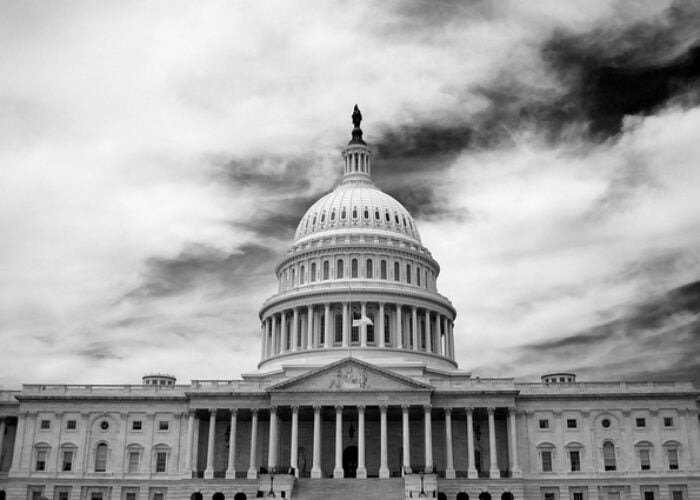
The US government has added a host of new China-based solar companies to its Entity List, effectively banning imports of their products into the country.
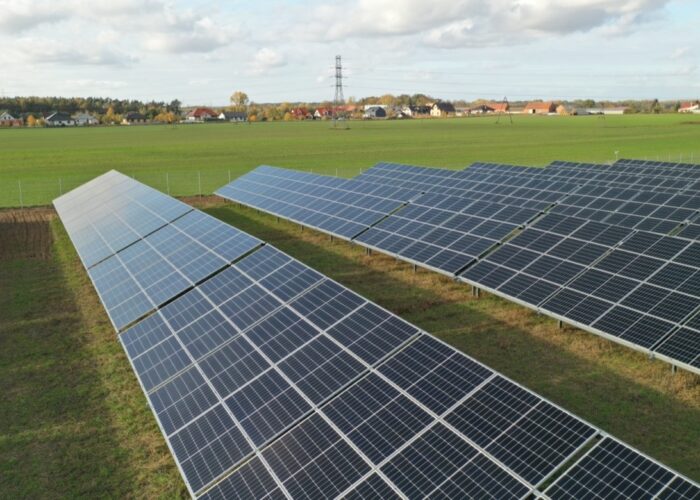
Solar’s dominance in recent renewables auctions in Poland has further reinforced the promising outlook for the market, with developers and analysts welcoming support provided for the construction of smaller projects.
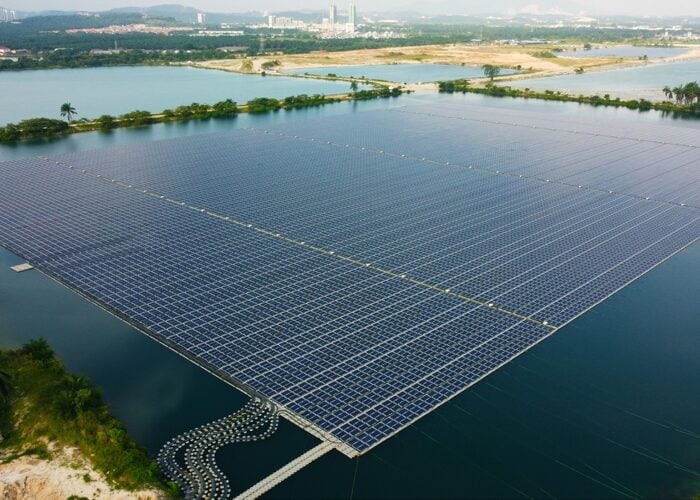
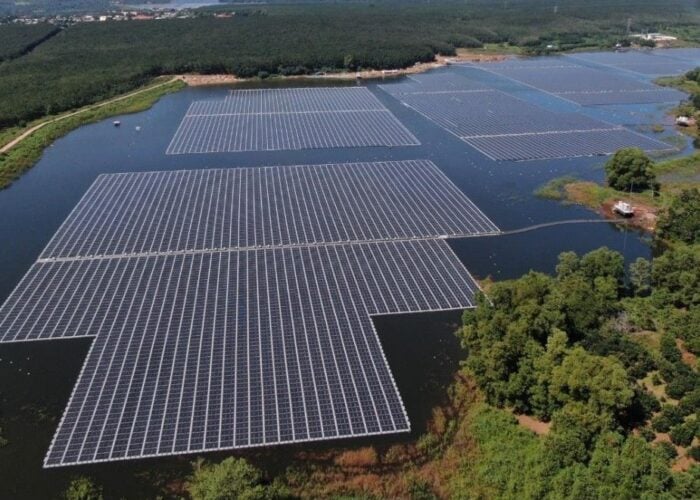
The proven ability to install large-scale floating PV plants on water bodies across Southeast Asia means financing should be readily available for new projects, it was suggested during a panel discussion today.
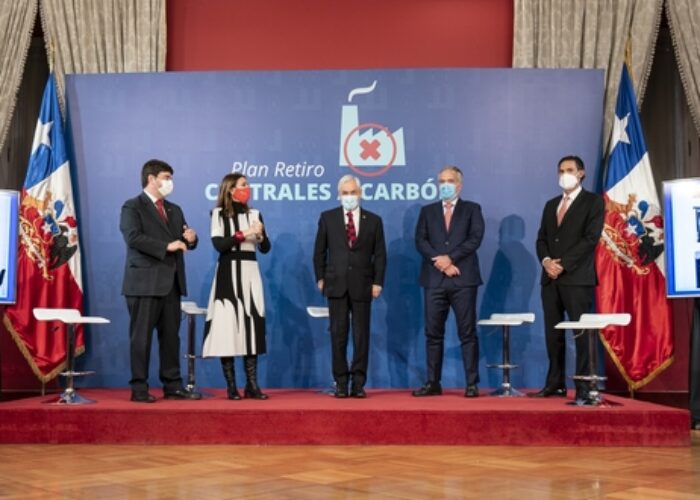
Power generation and distribution company AES has signed an agreement with the Chilean government to close 1.1GW of its coal power generation in the country as soon as 2025.
Vietnam remains one of the most attractive destinations of solar finance in South East Asia despite fears of market saturation, but access to capital in the region remains a key hurdle.
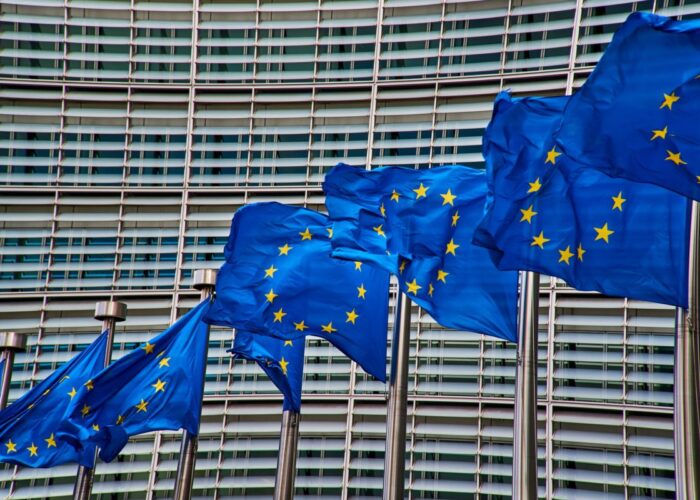
The European Commission has approved Lithuania’s recovery plan, which included a €242 million investment in renewable energy under the EU’s Recovery and Resilience Facility (RRF).
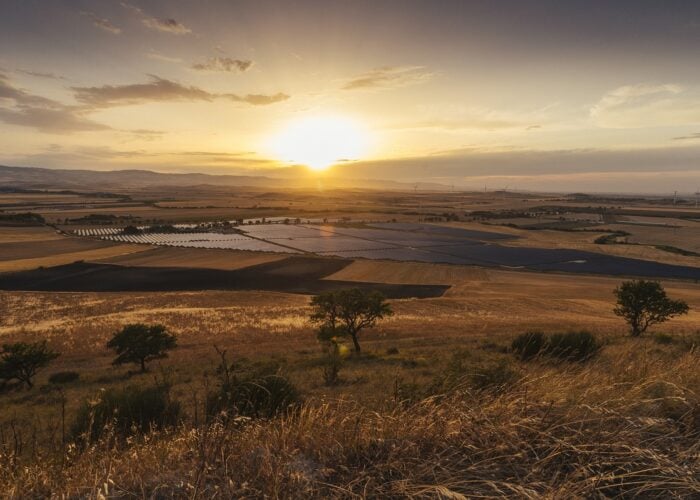
SolarPower Europe has joined calls for the Italian government to adopt a more ambitious Simplification Decree to speed up renewable deployment and reach its clean energy targets
Australia’s electricity markets are undergoing a profound transformation from a centralised system of large fossil fuel plants towards an array of smaller-scale, widely dispersed solar and wind generators, grid-scale batteries and demand response, according to a new report from the Australian Energy Regulator.