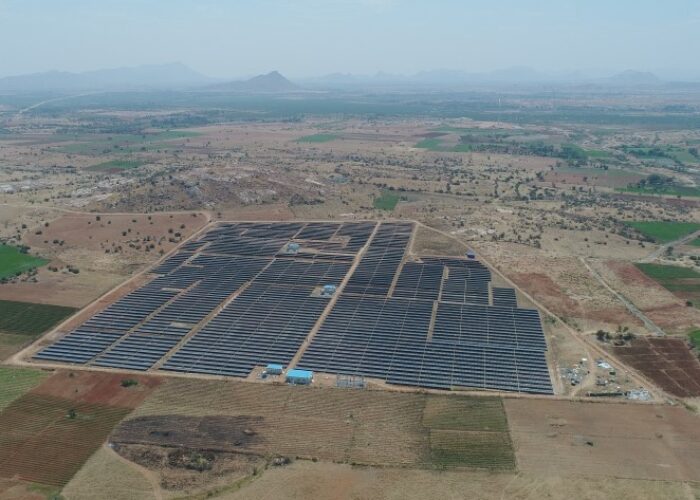
India’s renewable energy deployment is expected grow by 50% year-on-year in 2019 with a total of 15,860MW of installations, according to a report by consultancy firm Bridge to India.
The UK's Department for Business, Energy and Industrial Strategy has unveiled a new ‘Smart Export Guarantee’ with existing tariffs closing in under three months.
Solar Energy Corporation of India (SECI) has issued a request for selection (RfS) for 7.5GW of grid-connected solar PV projects, including implementation of power transmission and evacuation infrastructure, in the Leh and Kargil districts of Jammu & Kashmir state.
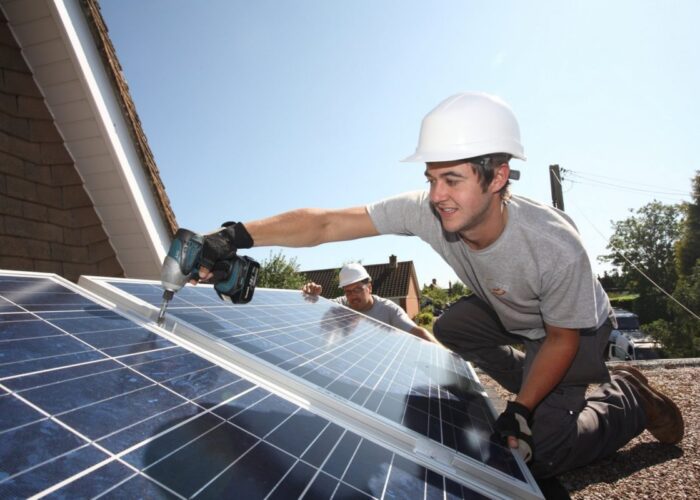
After disappointing beginnings, India's rooftop solar market is now thriving with 75% year-on-year growth. PV Tech caught up with Ron Shen, vice president, international sales and service centre at China-based PV inverter supplier GoodWe, to discuss knock-on effects of safeguard duties on modules, price pressure and market growth.
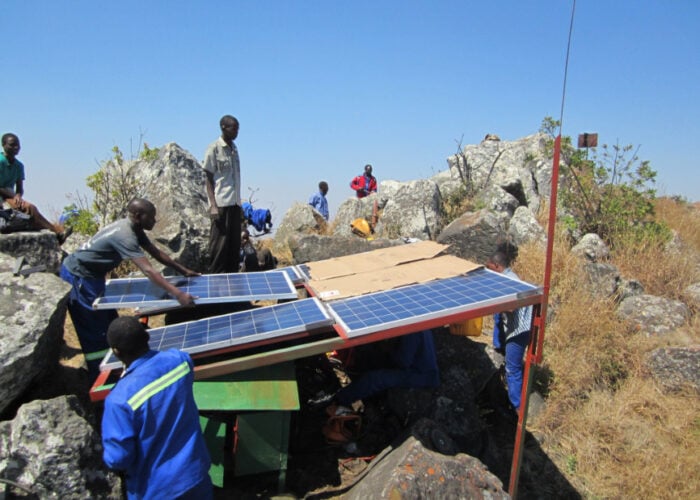
Earlier this year, the African Development Bank announced plans to facilitate 10GW of solar across the barren, semi-arid Sahel region of Sub-Saharan Africa. PV Tech investigated how increasing human pressure on the land and the widespread cutting down of trees for wood and charcoal for fuel can be alleviated by solar PV technology.
After a solar risk mitigation plan was announced at the first International Solar Alliance (ISA) summit in March 2018, the World Bank and French development bank AFD are now working together on a scheme to help remove barriers to solar in developing countries, which is held back by perceived risk.
House Bill 8197 granting private firm Solar Philippines a 25-year PV mini-grid and transmission franchise across the Philippines passed through its third and final reading on Monday.