The insurance industry must adapt to evolving risks in the clean energy business to head off a “protection gap” that could undermine the global green energy transition.
That is the key message from a newly published report by insurer Tokio Marine GX (TMGX), the renewables insurance specialist formerly known as GCube.
Try Premium for just $1
- Full premium access for the first month at only $1
- Converts to an annual rate after 30 days unless cancelled
- Cancel anytime during the trial period
Premium Benefits
- Expert industry analysis and interviews
- Digital access to PV Tech Power journal
- Exclusive event discounts
Or get the full Premium subscription right away
Or continue reading this article for free
The report warns that the insurance industry is failing to keep pace with a “perfect storm” of geopolitical, economic and climate risks in the fast-growing clean energy space, which are potentially creating a gap in how risk is managed and transferred.
It reveals how the green transition has evolved into a more complex and interconnected landscape that existing insurance products struggle to address.
Larger renewables projects, new co-location models, power grid constraints and emerging technologies are among the trends highlighted in the report that are bringing unfamiliar exposures.
Some of the technology risk highlighted in the report is more related to unfamiliar emerging technologies, such as hydrogen and carbon capture, but it also pointed to the growing size of projects using established technologies, such as solar PV, as a source of concern.
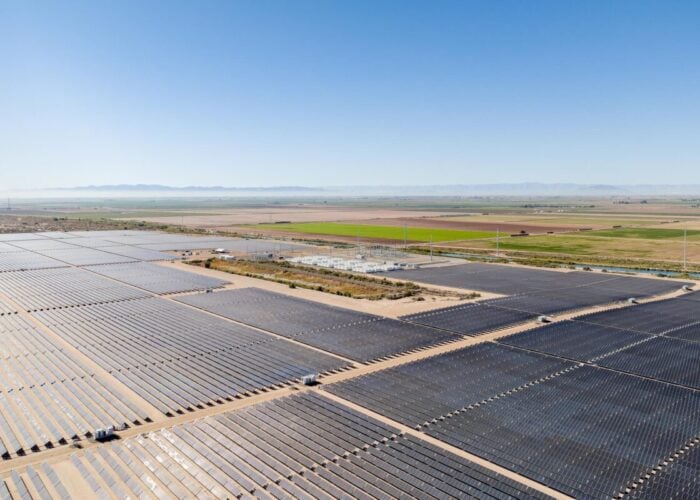
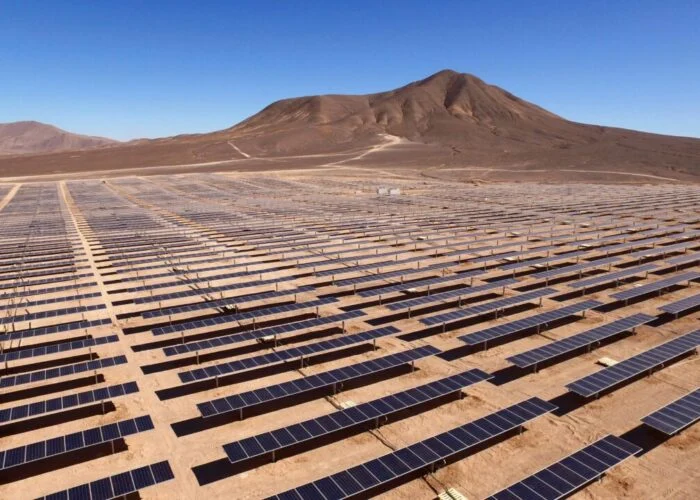
For example, it highlighted how in the US, over 20 solar projects with a capacity of 500MW or more are either online or due to come online in the next few years. “If a loss event should happen at one of these sites, the cost of auditing and correcting is magnified along with the volume of lost revenue covered by insurance,” the report said.
As a result of the new risks, projects may not receive coverage that reflects the true nature of their exposures—what TMGX describes as the “protection gap”.
Oliver Litterick, head of renewables at TMGX, said: “In the global clean energy market, we’re seeing a perfect storm of challenges, from geopolitical shifts to climate volatility and supply chain fragility. If insurers want to be effective stewards of the green transition, they need to move beyond reactive coverage and build long-term capacity strategies that reflect the complexity of today’s risks.”
The report identifies a number of measures the insurance industry collectively needs to take to address the challenge. These include greater investment in data and analytics to build a more reliable picture of risk as new technologies emerge, more open collaboration between insurers, brokers and lenders and new product innovation.
TMGX chairman Fraser McLachlan said: “The green transition is one of the defining undertakings of our time, and insurance has a central role to play in helping it succeed. But it is not enough to simply provide capacity. What is needed is the expertise and experience, insurance product innovation and global collaboration to ensure that risk is shared fairly and that projects have the resilience to move forward. Closing the protection gap is how our industry can make a real difference.”
‘It’s not easy writing green: how can insurers step up to support a resilient green transition?’ is available here.