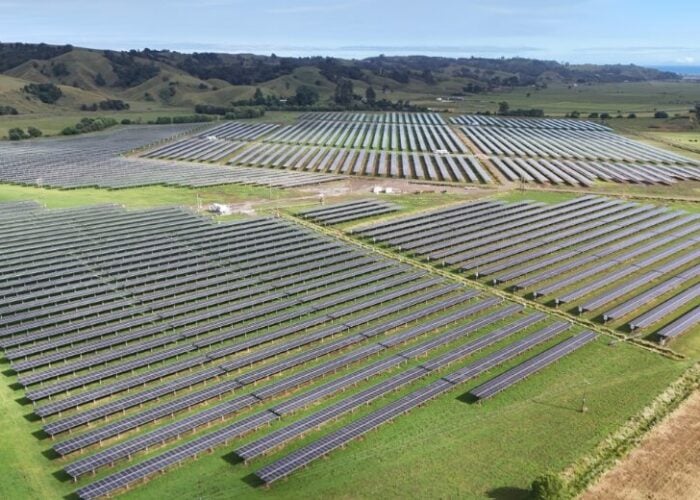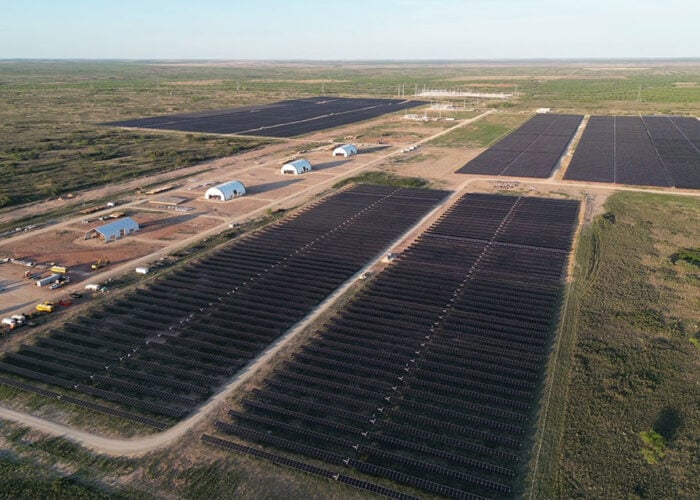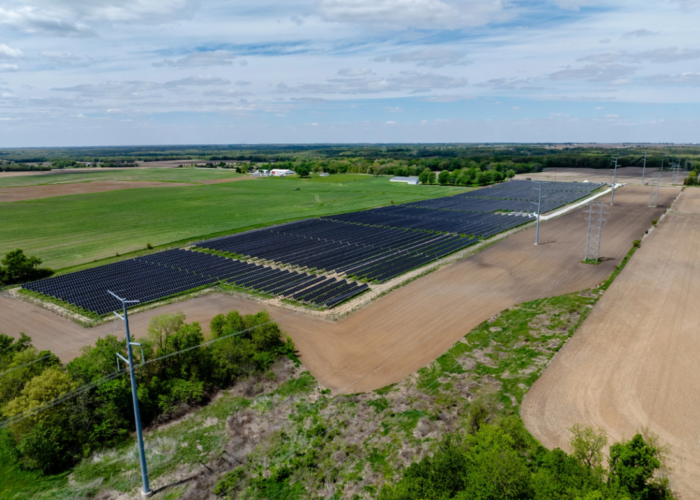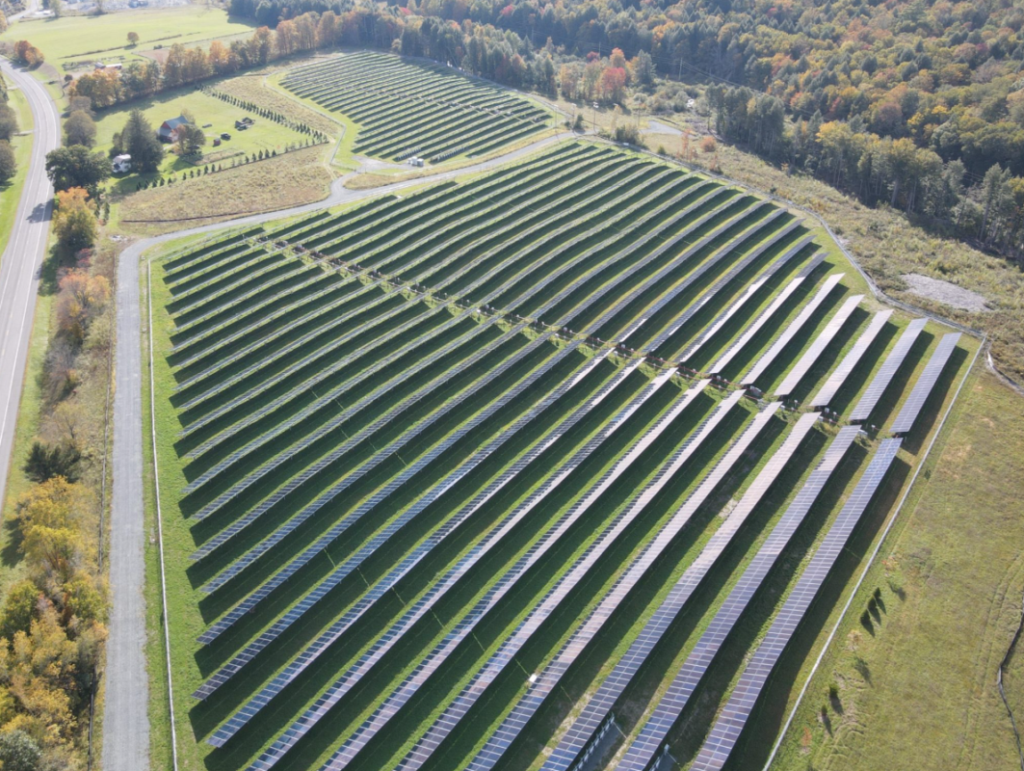
US solar investor Kendall Sustainable Infrastructure (KSI) has started commercial operations at three community solar projects totalling 15.8MWdc of capacity across New York and Oregon.
The projects supply electricity to local subscribers, who receive savings on their power bills. Two sites are in New York and one is in Oregon, with individual capacities ranging from 4.1MWdc to 7.0MWdc.
Try Premium for just $1
- Full premium access for the first month at only $1
- Converts to an annual rate after 30 days unless cancelled
- Cancel anytime during the trial period
Premium Benefits
- Expert industry analysis and interviews
- Digital access to PV Tech Power journal
- Exclusive event discounts
Or get the full Premium subscription right away
Or continue reading this article for free
KSI has not published the project names or locations, the capacity of each site, or which developers it worked with. It also did not name any subscribers or say what share of capacity serves low- and moderate-income households.
The company is based in Cambridge, Massachusetts, and invests in solar projects alongside independent developers. Three different developers built the latest sites, with KSI contributing capital and expertise before taking full ownership at or near the start of construction. It financed the build-out and now operates the plants.
Co-founder John Chaimanis said the projects “came on-line quickly” and would deliver energy savings, support jobs and add to local tax bases. Fellow co-founder Ken Lehman said long-standing partnerships “foster strong communication, consistent execution and a shared understanding of project expectations”.
KSI says it has now completed 83 solar projects totalling 145MWdc, with a further 71MWdc under construction in California, Illinois, New Hampshire, New Jersey, New York, Oregon, Rhode Island, Vermont. Its investments range from US$500,000 to US$25 million per project.
KSI has built its portfolio through repeat work with developers. In October 2025, it acquired a 2.5MWdc project in Illinois from New Leaf Energy, its third collaboration with the developer after two New York projects totalling 11MWdc.
New York remains one of the most active US community solar states. This week, the New York State Energy Research and Development Authority (NYSERDA) finalised allocations of US$200 million for distributed solar under its NY-Sun programme.
The funding is expected to support more than 565MW of new capacity, including 450MW of large commercial and community projects above 1MW.
New York’s ASAP Act, passed earlier this year, targets 20GW of distributed solar by 2035. In Oregon, the state’s community solar programme is overseen by the Oregon Public Utility Commission and requires each project to reserve part of its capacity for low-income customers.
Investors back community solar despite slower growth
The new capacity comes as the wider US community solar market adjusts to slower installation rates.
Wood Mackenzie and the Coalition for Community Solar Access (CCSA) reported in April that the market passed 10GWdc of cumulative capacity in 2025, but annual installations fell 25% to 1,435MWdc, largely because of low volumes in New York and Maine.
The analysts expect national capacity to grow 12% in 2026, while installations in existing state programmes contract by an average of 5% a year through 2030.
Investors have nonetheless continued to fund the segment. In September, 38 Degrees North and Generate Capital raised more than US$370 million to build almost 200MW of community solar in New York and Illinois.
Generate followed this month with a US$154.5 million tax equity investment from KeyState’s SOLCAP platform for ten projects in the same two states. Independent power producer Pivot Energy also closed a US$173 million loan for 51 community-scale projects totalling about 135MW across six states, which the company has not named.
Many of these financing deals cover portfolios of multiple projects. Earlier this month, Peter Davidson, CEO of asset manager Aligned Climate Capital, said that individual community solar projects can be too small to attract large infrastructure funds, but that by grouping them into a portfolio they can attract finance.
His comments came as Aligned Climate Capital secured US$387 million for a 126MW community solar portfolio in Illinois and Maryland.