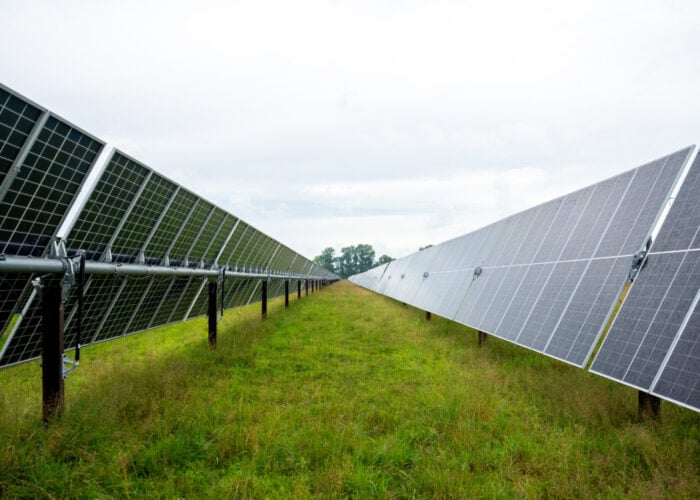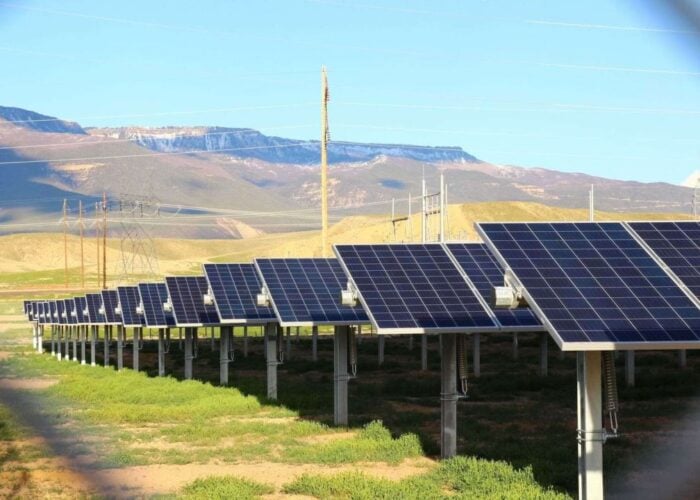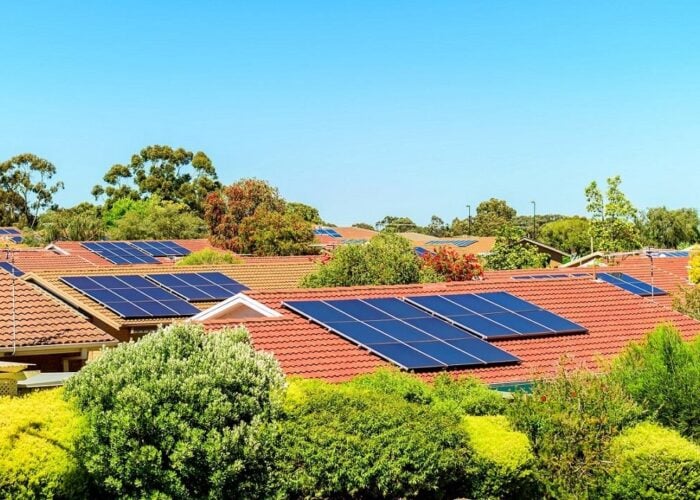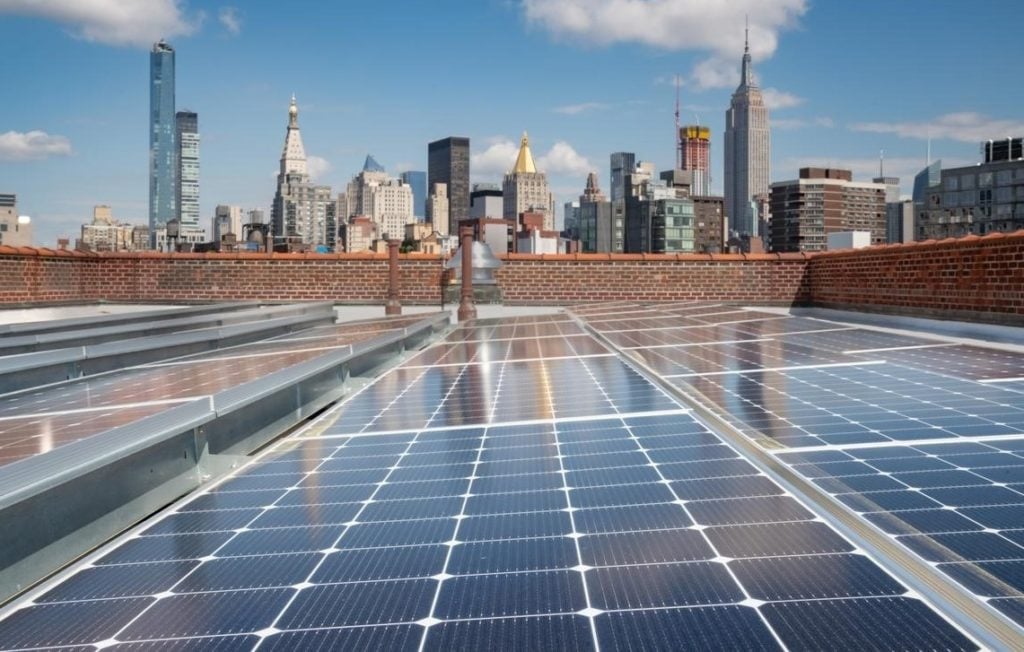
The state of New York has reached 8GW of cumulative installed distributed solar PV, putting it ahead of its 10GW target by 2030.
Announced by state Governor Kathy Hochul, the milestone for distributed solar is underpinned by community solar, for which New York leads installations across the US, and its NY-Sun Program.
Try Premium for just $1
- Full premium access for the first month at only $1
- Converts to an annual rate after 30 days unless cancelled
- Cancel anytime during the trial period
Premium Benefits
- Expert industry analysis and interviews
- Digital access to PV Tech Power journal
- Exclusive event discounts
Or get the full Premium subscription right away
Or continue reading this article for free
Currently, there are more than 276,000 distributed solar projects operational across the state, with a further 2.7GW in development.
This latest milestone comes less than a year and a half after Hochul announced in October 2024 that the state had reached its 6GW target of distributed solar a year ahead of schedule. Last year, the state registered a record 1.28GW of new solar PV across the year.
Last month, nearly 29% of New York’s electricity demand was met by solar PV capacity.
The continued growth of solar PV is backed by ongoing policy support, as shown in the state budget for 2027, which allocated US$200 million to support funding of the NY-SUN Program and the installation of 1GW of new rooftop and community solar.
Moreover, in April of this year, the New York State Senate passed the Accelerate Solar for Affordable Power (ASAP) Act, which targets 20GW of distributed energy capacity by 2035.
New York assemblymember Didi Barrett said: “Distributed solar is a win-win-win — lowering New Yorkers’ energy costs, creating good-paying union jobs, and reducing emissions — and reaching 8 GWs ahead of schedule is a testament to New York’s continued commitment to expanding clean, affordable energy.
“I’m proud that this year’s budget included key provisions of my ASAP Act and $200 million for the NY-Sun program, which will cut red tape and unlock even more solar projects throughout the state.”