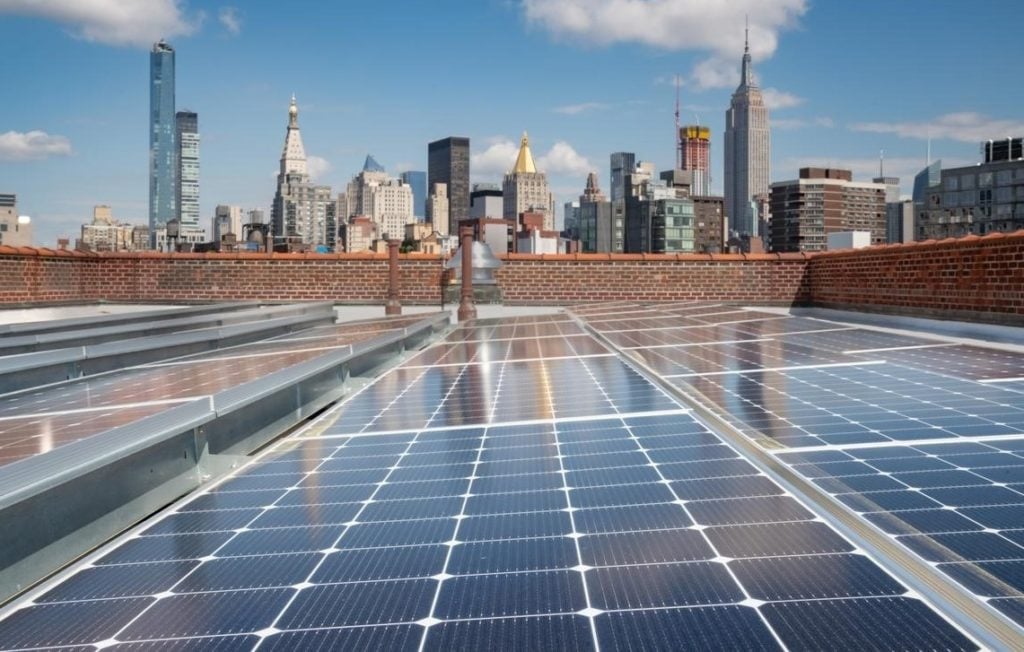
The New York State Senate has passed the Accelerate Solar for Affordable Power (ASAP) Act, which targets 20GW of distributed energy capacity by 2035.
This comes as New York reached its previous target of 6GW by 2025, a year ahead of schedule and increased it to reach 10GW of installed distributed solar by 2030.
Try Premium for just $1
- Full premium access for the first month at only $1
- Converts to an annual rate after 30 days unless cancelled
- Cancel anytime during the trial period
Premium Benefits
- Expert industry analysis and interviews
- Digital access to PV Tech Power journal
- Exclusive event discounts
Or get the full Premium subscription right away
Or continue reading this article for free
Similar to the previous targets set by the state of New York, the 20GW distributed solar target will be implemented by the New York State Energy Research and Development Authority (NYSERDA) through the NY-Sun programme aimed at increasing solar adoption in the state.
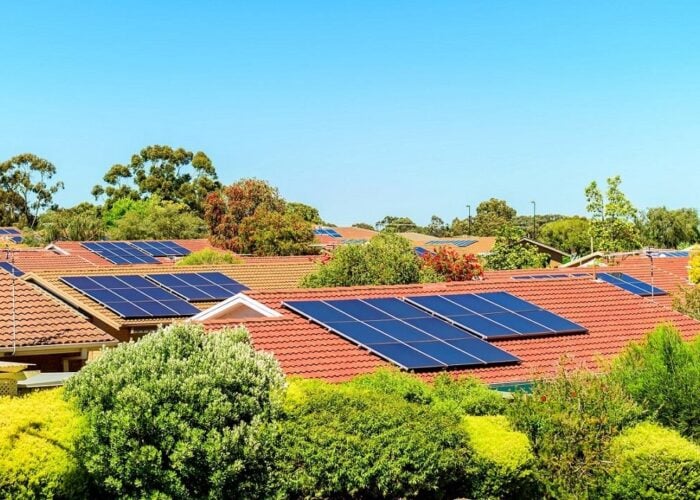
The initiative will include incentives and other measures to support rooftop solar for homeowners and businesses, as well as community solar, for which New York is the leading US state in installed capacity.
In the case of community solar, at least 35% of the installed capacity will have to benefit low- to moderate-income households and disadvantaged communities.
Flexible interconection to reduce costs and faster timelines
The new legislation also directs the public service commission (PSC) to move forward with reforms to the utility interconnection process and lower its costs for distributed generation, which would “ensure timely and cost-effective integration of new distributed energy resources, such as solar and energy storage systems, into the electric distribution system”.
The PSC will also be required to establish guidelines and timelines for the implementation of flexible interconnection procedures to lower the cost and shorten the timeline to integrate distributed energy resources.
Writing on LinkedIn, Noah Ginsburg, executive director at trade body the New York Solar Energy Industries Association (NYSEIA), welcomed the new legislation.
“The ASAP Act cuts through red tape to lower costs and accelerate New York’s build out of rooftop and community solar to 20 gigawatts by 2035,” he wrote. “A recent analysis completed by Synapse Energy Economics shows that the ASAP Act will deliver more than US$1 billion every single year in avoided energy costs by doubling down on New York’s most successful clean energy sector.”
The Senate bill will now go to New York Governor Kathy Hochul’s desk for sign-off before it passes into law.