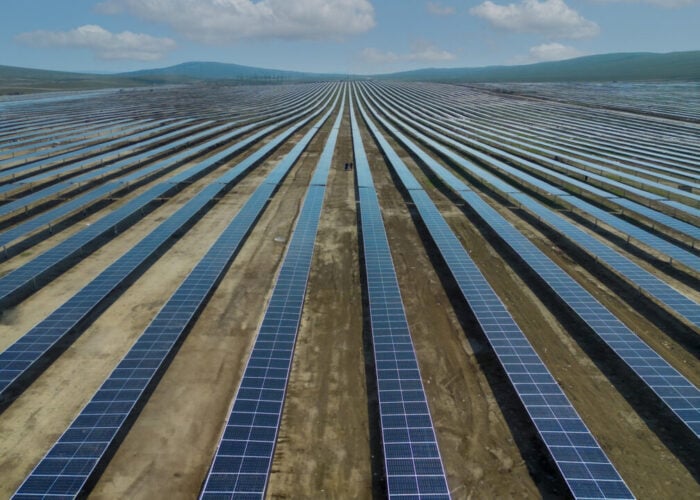
Small-scale solar has been granted a reprieve under the latest proposed reforms to the Australian renewable energy target (RET).
In a joint statement from the minister for the environment and minister for industry and science, the government proposed a new approach to Australia’s renewable energy target RET.
Try Premium for just $1
- Full premium access for the first month at only $1
- Converts to an annual rate after 30 days unless cancelled
- Cancel anytime during the trial period
Premium Benefits
- Expert industry analysis and interviews
- Digital access to PV Tech Power journal
- Exclusive event discounts
Or get the full Premium subscription right away
Or continue reading this article for free
The statement refers to the current RET as “broken” and recommends increasing the RET from 20% to 23% of Australia’s electricity in 2020 would come from renewables.
This plan is the result of the ongoing stand-off between the current Abbott Government and the opposition as well as the solar industry. Abbott had supposedly called for a complete abolishment of the RET, instead of the apparently more favourable reduction. The solar industry, as well as the opposition, jumped to protest this, resulting in ongoing negotiations.
The proposed plan would have 15,000GWh in existing renewable energy generation, 31,000GWh in large-scale renewable energy target, and 14,000GWh of small-scale renewable energy scheme. The small-scale energy target remains unchanged from the existing RET, a perceived success for the solar industry and opposition parties.
The government also plans on “remove[ing] the requirement for regular two-yearly reviews of the RET to give the industry the certainty it needs to move ahead.”
However, according to an email from John Grimes of the Australian Solar Council, the large-scale renewable energy target is not acceptable. In the email, he states: “The Abbott Government is not serious about a deal on the large-scale renewable energy target”. This suggests that the negotiations on the RET will continue.
Minister for the environment Greg Hunt hopes that they will reach a consensus within the next two weeks, ABC reports. Hunt claims the government has been “flexible” in its approach to the RET negotiations.
Grimes believes that the next steps lie in the hands of the government, stating: “So where does the overnment go now? Well that's up to the government, but it's time that the government showed that they were fair dinkum about resolving this. This is too important to play politics with.”
If an agreement is not reached within the next two weeks, emissions-intensive industries will have to pay liabilities which may fall upon the consumers. The government hopes to avoid this by striking a deal with the opposition.