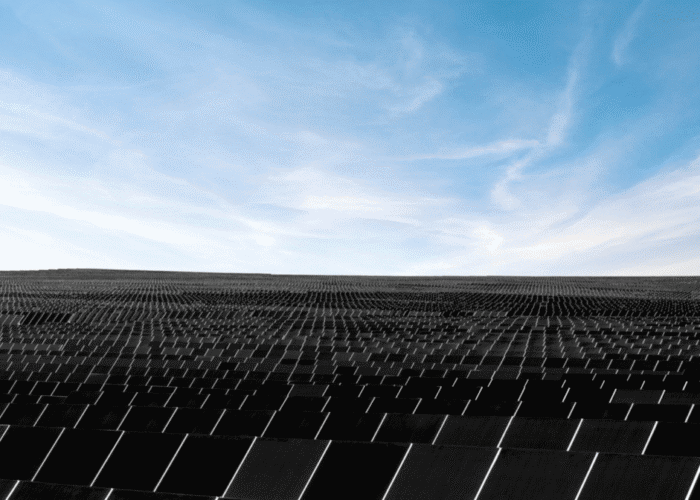
German PV project developer Conergy is set to expand its footprint in Southeast Asia after it secured an EPC contract for two PV plants in Thailand from Thai Solar Energy Company (TSE), a local investor. The plants will be located in both Suphanburi Province and Kanchanaburi Province and have a combined capacity of 21MW.
As part of the contract, Conergy will be responsible for planning, engineering, designing and installing the PV system in addition to supplying components for the two plants. Built on a total land space of 500,000 square metres, Conergy will work with its long-term local partners Annex Power and the Ensys Group during the construction phase.
Try Premium for just $1
- Full premium access for the first month at only $1
- Converts to an annual rate after 30 days unless cancelled
- Cancel anytime during the trial period
Premium Benefits
- Expert industry analysis and interviews
- Digital access to PV Tech Power journal
- Exclusive event discounts
Or get the full Premium subscription right away
Or continue reading this article for free
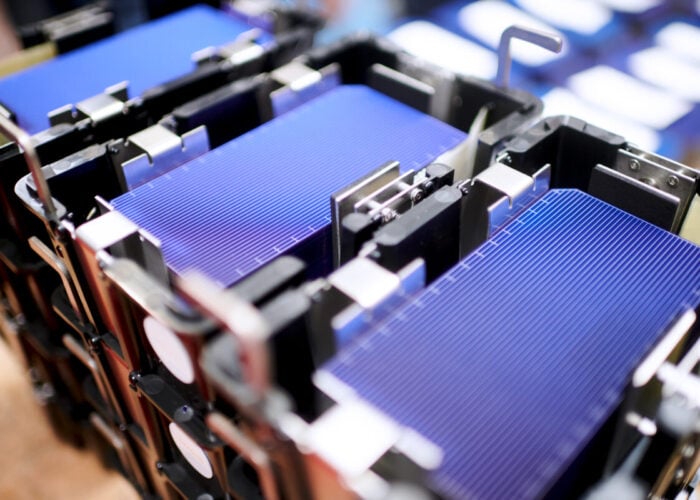
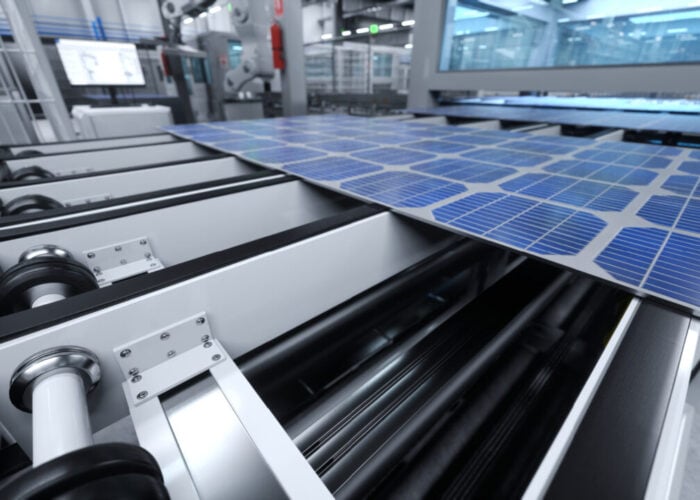
The plants will involve the installation of almost 86,000 Conergy modules on around 86km of Conergy SolarLinea mounting systems. When complete in February 2013, the modules will generate over 29,500MWh of solar power annually.
Conergy has six PV plants with a combined capacity of 48MW in Thailand, a key solar market for the company. Commenting on the importance of the Thai market, Conergy’s Chief Sales Officer of Asia Pacific and Americas Marc Lohoff said: “Thailand is not only Conergy’s most important solar market in Asia, it is also currently the most attractive one in the region. It’s a market where we know the local conditions in detail and where we are very well positioned. We want to expand that position in the future and are pursuing some very interesting opportunities there.”
According to Conergy, Thailand has an average irradiation level of more than 1,800kWh per square metre annually across the country. It is also said to have a well-developed grid infrastructure while renewable energy is supported by the government. Indeed, under the country’s Alternative Energy Development Plan (2008-2022), Thailand has set a PV capacity target of 1GW by 2020. The government has also set a target to generate 25% of its energy demand from renewable sources by 2022.
Alexander Lenz, President of Asia & Middle East for Conergy, said: “The Thai government wants to meet one quarter of the country’s energy requirements using renewable energy sources by the year 2022. This is providing a baseline of support to the development of a solar energy market in Thailand.”
Lenz added: “The country currently still imports around half of the national energy needs at high costs. Each new solar installation contributes to the gradual reduction of both dependence on energy imports and their costs for the government.”
Other initiatives implemented to encourage the growth of the Thai solar market include power purchase agreements (PPAs) with energy providers. Under these PPAs, the government-owned power provider Provincial Electricity Authority (PEA) will pay a set purchase price for solar electricity to the plant operator. According to the Solar Power Policy dialogue that took place in September, 2,205MW of PPAs have been approved but only 286MW are currently connected to the grid.