Germany’s amended renewable energy laws were granted state aid approval by Brussels on Tuesday, the final political hurdle to their adoption.
The bulk of the changes were unlikely to conflict with EU rules with the majority approved in July, but issues over imported energy and reductions granted to large energy users had created friction.
Try Premium for just $1
- Full premium access for the first month at only $1
- Converts to an annual rate after 30 days unless cancelled
- Cancel anytime during the trial period
Premium Benefits
- Expert industry analysis and interviews
- Digital access to PV Tech Power journal
- Exclusive event discounts
Or get the full Premium subscription right away
Or continue reading this article for free
The German government passes a surcharge onto energy users to pay for its transition to renewable energy. Certain industrial sectors were given reduced rates to ensure they remained competitive within Europe, prompting the commission's investigation into possible state aid breaches.
In the end, the reduced payments were largely approved although some big greenhouse gas emitters were found to have been handed overly generous reductions with some repayments requested by Brussels.
The commission deemed these discounts to be advantageous for German firms versus their European competitors.
Commissioner Margrethe Vestager, in charge of competition policy, said the decision had achieved its goals.
“I want to strike a balance between several needs: to promote renewable energy and ensure its stable financing,” said Vestager. “At the same time we need to make sure that contributions by SMEs and consumers is fair, and that we protect the competitiveness of European industry.”
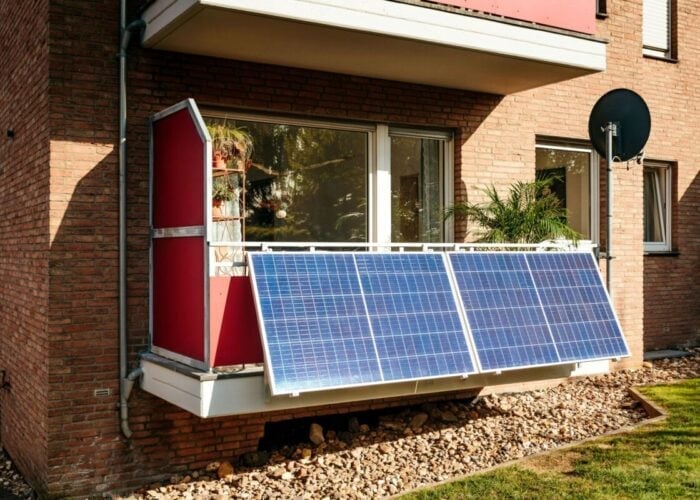
The EEG sparked opposition from solar advocates in Germany. A portion of the surcharge will now be paid by solar power self-consumers creating a situation whereby heavy industry was afforded concessions while individuals and businesses that invested in solar were given additional costs.