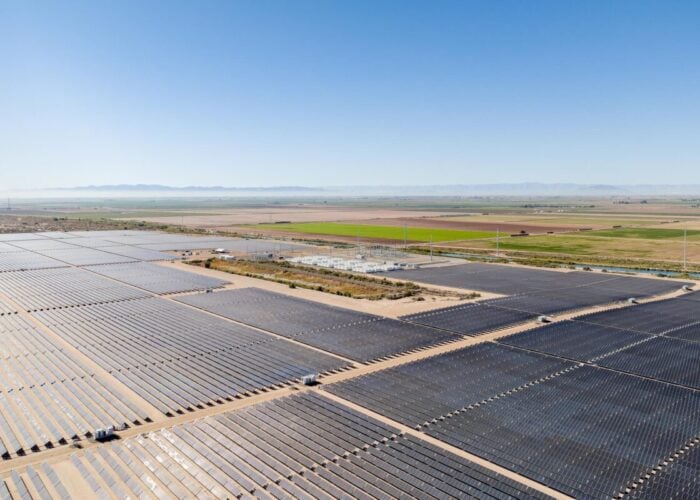
With highs of 23ºC and cloudless skies on May 26, Germany produced 22GW of electricity, meeting nearly 50% of the country’s midday electricity needs. The Renewable Energy Industry (IWR) estimated this equaled the amount of power generated by 20 nuclear power plants.
Director of IWR, Norbert Allnoch, said, “Currently there is no other country on earth, with solar power plants producing a capacity of over 20,000MW of electricity. Germany came close to the 20GW mark a few times in recent weeks, but this was the first time we made it over.”
Try Premium for just $1
- Full premium access for the first month at only $1
- Converts to an annual rate after 30 days unless cancelled
- Cancel anytime during the trial period
Premium Benefits
- Expert industry analysis and interviews
- Digital access to PV Tech Power journal
- Exclusive event discounts
Or get the full Premium subscription right away
Or continue reading this article for free
The electricity demand in Germany in the diurnal cycle follows a bell curve, i.e. little power is needed at night, daytime demand for electricity increases steeply until noon and by evening falls evenly again. Allnoch said, “It is often underestimated, that the sun brings significant power if and when it is needed most.”
According to Reuters, Germany has nearly as much solar power generation capacity as the rest of the world combined, with 4% of its overall annual electricity needs from the sun alone. It aims to cut its greenhouse gas emissions by 40% from 1990 levels by 2020.
Since the Fukishima disaster last year, German Chancellor Angela Merkel overturned policy on nuclear last year, having already decommissioned six nuclear plants with the remaining to be shut down by 2022.
However, Merkel’s renewable energy programme has not been without obstacles. Critics are complaining that solar power adds about an additional US$0.02 per kWh to electricity prices, resulting in the recent drastic cuts to Germany’s feed-in tariff. Effective April 1, new feed-in tariff payments for rooftop PV plants were brought in, but the Chancellor’s cuts in subsidies to the solar industry were stopped in its tracks by the Bunderstrat just under a fortnight ago. Merkel’s “Energiewende” program is set to be brought back up to speed with Norbert Röttgen’s successor, who was fired following his defeat to be premier of North Rhine-Westphalia. Merkel has nominated Peter Altmaier, parliamentary whip for her conservative party, to replace Röttgen.
Allnoch said, “This shows Germany is capable of meeting a large share of its electricity needs with solar power. It also shows Germany can do with fewer coal-burning power plants, gas-burning plants and nuclear plants.”