JinkoSolar’s ‘Tiger Pro’ panels first to pass latest IEC salt mist corrosion standard

June 8, 2020
Facebook
Twitter
LinkedIn
Reddit
Email
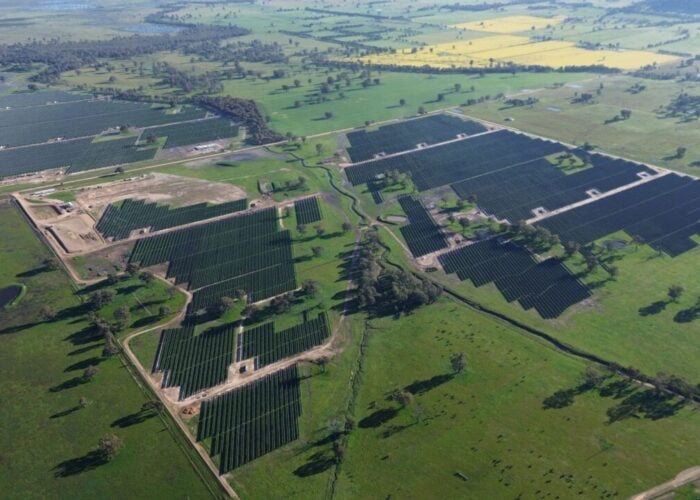
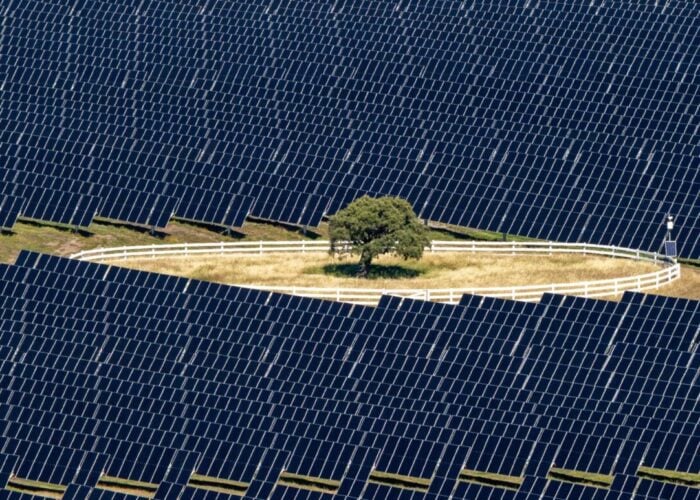
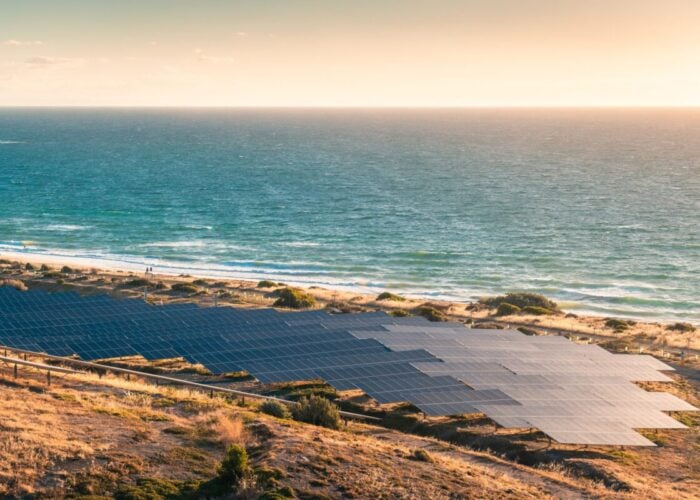
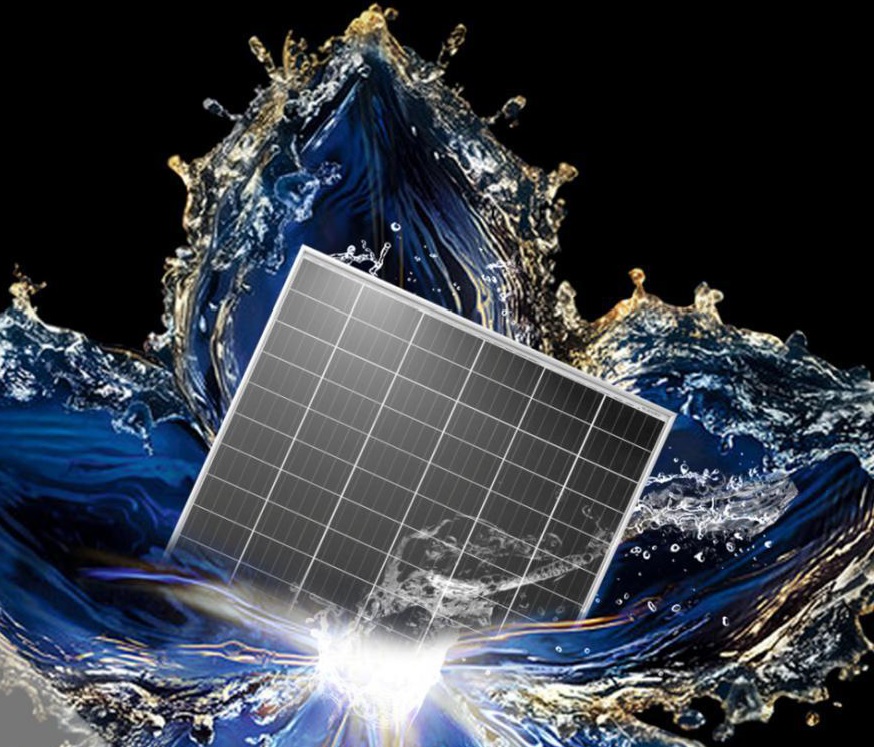
The IEC 61701 Ed. 3 (FDIS) standard is designed for extreme marine (CX) testing conditions to maintain optimum performance for module power output. Image: JinkoSolar (Tiger Pro).

Leading ‘Solar Module Super League’ (SMSL) member JinkoSolar said it was the first to have passed the IEC 61701 Ed. 3 (FDIS) certification with its latest mainstream high-performance ‘Tiger Pro’ PV modules. The tests were conducted by TÜV NORD.

Dr. Hao Jin, Chief Technology Officer of JinkoSolar said: “As a highly innovative module supplier, we are constantly innovating and improving our high-efficiency products to set standards for the industry going forward. CX testing conditions are closest to reproducing some of the harshest real-world environments and were recently applied to IEC 61701 Ed. 3 (FDIS) certification having originally been designed for automobile parts and coating. 

This article requires Premium SubscriptionBasic (FREE) Subscription

Try Premium for just $1

  • Full premium access for the first month at only $1
  • Converts to an annual rate after 30 days unless cancelled
  • Cancel anytime during the trial period

Premium Benefits

  • Expert industry analysis and interviews
  • Digital access to PV Tech Power journal
  • Exclusive event discounts

Or get the full Premium subscription right away

Or continue reading this article for free

Receiving certification reflects just how resilient and reliable Tiger Pro modules are in their ability to withstand extreme salt mist corrosion in extreme environments. We will continue to invest in R&D of new technologies to provide our clients with higher-efficiency products that generate long-term sustainable returns and drive technical innovation that sets new benchmarks for the industry.”

The IEC 61701 Ed. 3 (FDIS) standard is designed for extreme marine (CX) testing conditions to maintain optimum performance for module power output.
13 October 2026
San Francisco Bay Area, USA
PV Tech has been running an annual PV CellTech Conference since 2016. PV CellTech USA, on 13-14 October 2026 is our third PV CellTech conference dedicated to the U.S. manufacturing sector. The events in 2023, 2024 and 2025 were a sell out success and 2026 will once again gather the key stakeholders from PV manufacturing, equipment/materials, policy-making and strategy, capital equipment investment and all interested downstream channels and third-party entities. The goal is simple: to map out PV manufacturing in the U.S. out to 2030 and beyond.

Read Next

February 27, 2026
Daqo New Energy cut its financial losses and its revenues in 2025 as China’s efforts to moderate its polysilicon industry began to take effect.
February 27, 2026
The Philippines government has announced that large-scale renewable energy installations will have to integrate energy storage into their projects.
February 26, 2026
Power loss at solar PV projects has more than doubled in the last five years despite maturing markets and advancing technology, according to new data from US-based  solar asset analysis firm Raptor Maps.
February 26, 2026
Chinese polysilicon and PV module manufacturer Tongwei has announced a significant plan to acquire competitor Qinghai Lihao Clean Energy.
February 26, 2026
Co-located storage has been “overhyped” as a prop for commercially underperforming solar assets in Europe and should not be regarded as a “silver bullet”.
February 25, 2026
First Solar has signed a patent licensing agreement with UK-based perovskite solar firm Oxford PV to use its technology in the US.

Upcoming Events

Solar Media Events
March 24, 2026
Dallas, Texas
Solar Media Events
April 15, 2026
Milan, Italy
Solar Media Events
June 16, 2026
Napa, USA
Solar Media Events
October 13, 2026
San Francisco Bay Area, USA
Solar Media Events
November 3, 2026
Málaga, Spain