Oil and gas major Shell is to ramp up its renewable energies division in order to decarbonise its operations and strive towards a net-zero-by-2050 target.
While specific details are scant, the energy giant is today updating investors on plans to become a net zero emissions business by 2050 or sooner, covering scope one, two and three emissions.
Try Premium for just $1
- Full premium access for the first month at only $1
- Converts to an annual rate after 30 days unless cancelled
- Cancel anytime during the trial period
Premium Benefits
- Expert industry analysis and interviews
- Digital access to PV Tech Power journal
- Exclusive event discounts
Or get the full Premium subscription right away
Or continue reading this article for free
That target, Shell said, will require the business to sell more products with a lower carbon intensity than its staple O&G offering, including renewable power, biofuels and hydrogen.
In a statement issued today, Shell CEO Ben van Beurden said that societal expectations around climate change had “shifted quickly”, meaning that the business now needed to go further with its own ambitions.
As a result, the net carbon footprint of energy products sold by Shell to customers will need to fall by around 30% by 2035 and nearly two-thirds (~65%) by 2050. This is an increase on previous targets of a 20% and 50% respective reduction.
It remains to be seen how Shell intends to meet those reductions specifically, but drastically more importance could soon fall on the shoulders of the solar, storage and energy flexibility companies within its New Energies division.
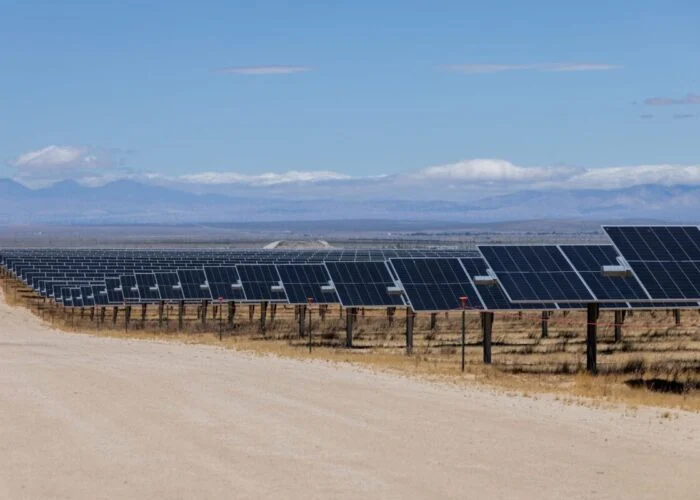
Shell’s large-scale solar interests now span several continents, having acquired a 43% stake in US-based outfit Silicon Ranch in February 2018, followed by Southeast Asian installer Cleantech Solar later that year and Australia’s ESCO Pacific last December.
It has also acquired battery storage specialist sonnen, UK-based flexibility provider Limejump and EV charging firm NewMotion, in a bid to enhance its clean power expertise.
But while Shell continues to be linked with further acquisitions, the company has not had it all its own way, losing out to Mitsubishi in the multi-billion-euro auction of European utility Eneco late last year.
The establishment of a net zero target for Shell comes just months after its rival BP set itself the same target. BP will too ramp up its renewables output in the coming years as part of a “fundamental” reorganisation of its business, with Lightsource BP – the solar development business it owns a 50% stake in – set to play a pivotal role.