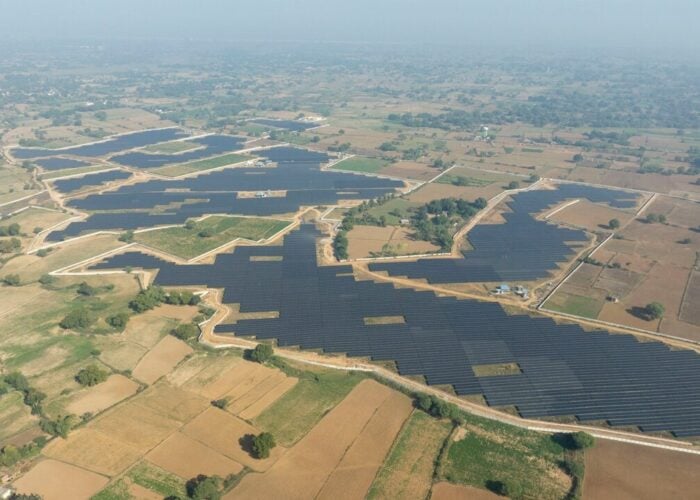
Indian integrated solar firm Tata Power Solar saw profits after tax more than triple in the 2017 fiscal year, driven mainly by a shift in focus from manufacturing towards providing EPC services.
Tata noted that the growth came despite solar EPC margins now being “extremely low” and in the face of “pressures” faced by the manufacturing industry. Indeed, continuously plummeting solar tariffs have led to a squeeze on EPC pricing, while India’s domestic manufacturers have had stiff competition from Chinese imports, hence the recent launch of an anti-dumping investigation by the Indian government.
Try Premium for just $1
- Full premium access for the first month at only $1
- Converts to an annual rate after 30 days unless cancelled
- Cancel anytime during the trial period
Premium Benefits
- Expert industry analysis and interviews
- Digital access to PV Tech Power journal
- Exclusive event discounts
Or get the full Premium subscription right away
Or continue reading this article for free
Tata’s 330% profit growth came with a net sales increase of 52% to INR22.62 billion (US$353 million), up from INR14.9 billion (US$233 million) in the previous year. Revenues also increased by more than 250% over a two-year period.
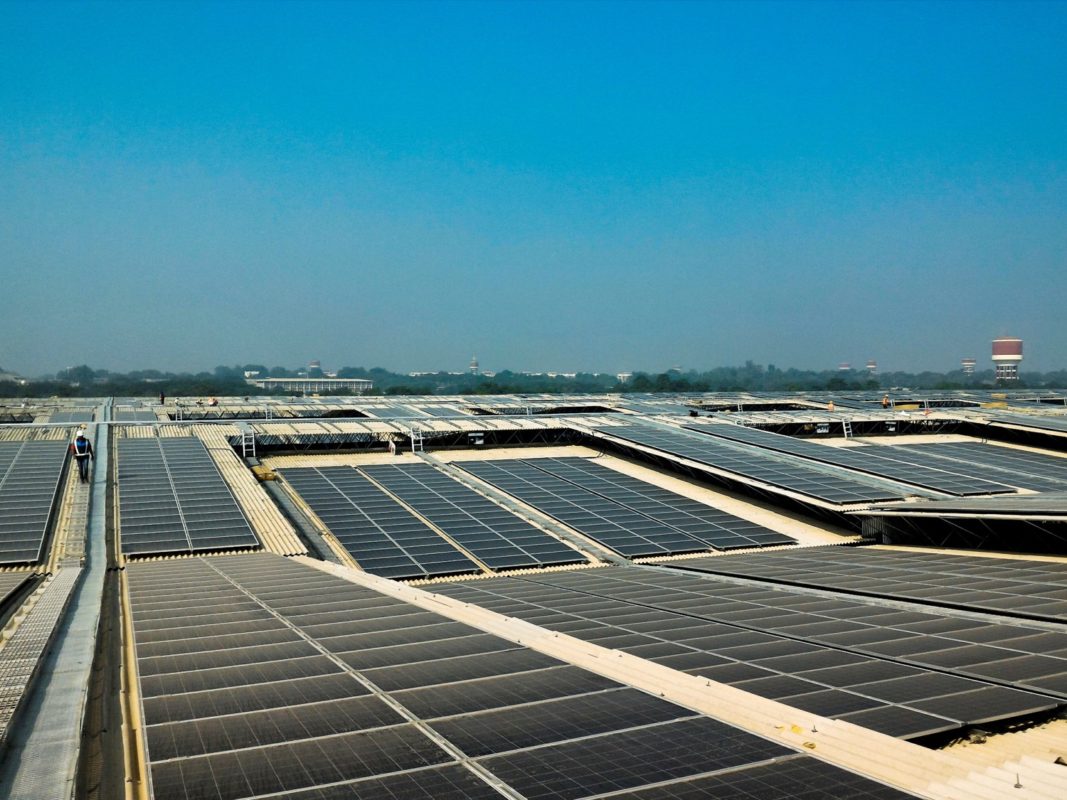
The firm noted that until 2012/13 its core focus had been on manufacturing lighting and thermal products, but since then it has concentrated more on EPC, with activities in both utility-scale and rooftop PV. FY17 was a successful year across the rooftop space particularly in the C&I and institutional segment. Tata has installed 150MW of rooftop capacity so far, including some record projects such as a 12MW solar rooftop project for R.S.S.B. Educational & Environmental Society, which the firm claimed to be world’s largest rooftop project at a single location at the time. The firm also recently completed a 2.68MW solar carport at Cochin International Airport, Kerala.
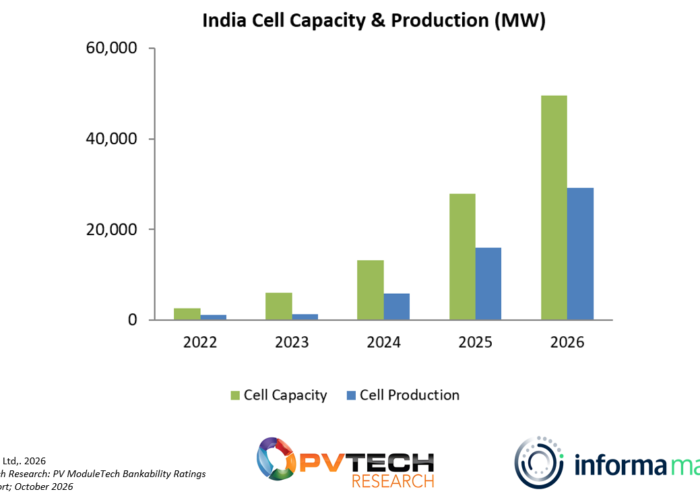
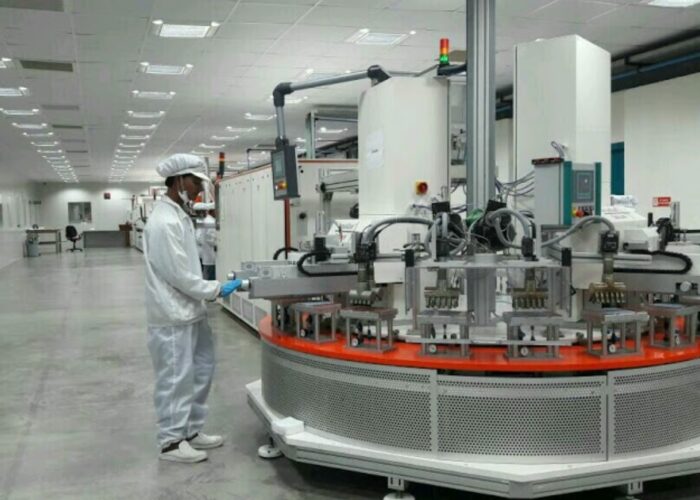
Back in March, Tata announced significant expansions at its Bangalore manufacturing facility from 200MW to 400MW in modules and 180MW to 300MW in cells, and PV tech interviewed Ashish Khanna, executive director and CEO, Tata Power Solar, at their Delhi offices at the start of the year.
During the 2017 financial year, the company completed multiple projects including a 100MW plant under the DCR (local content) category in Andhra Pradesh for the utility NTPC. It also carried forward a strong pipeline of EPC contracts for both multinationals and public sector undertakings.