US wholesale energy markets will be opened up to distributed energy resources (DERs) such as small-scale solar units and battery storage systems under a new ruling that proponents say will enhance grid reliability and lower costs for consumers.
The Federal Energy Regulatory Commission (FERC), which approved Order 2222 yesterday (Thursday 17 September), said the “landmark” action will help usher in the electric grid of the future and knock down barriers to entry for emerging technologies.
Try Premium for just $1
- Full premium access for the first month at only $1
- Converts to an annual rate after 30 days unless cancelled
- Cancel anytime during the trial period
Premium Benefits
- Expert industry analysis and interviews
- Digital access to PV Tech Power journal
- Exclusive event discounts
Or get the full Premium subscription right away
Or continue reading this article for free
The rule enables DERs to participate in the regional organised wholesale capacity, energy and ancillary services markets alongside traditional resources. Several sources of distributed electricity will be able to aggregate to satisfy minimum size and performance requirements that each may not be able to meet individually.
FERC commissioner Neil Chatterjee, who cited projections that the US could see as much as 65GW of DER capacity come online in the next four years, said there is no doubt that investments in DERs are set to accelerate in the years to come. “By relying on simple market principles and unleashing the power of innovation, this order will allow us to build a smarter, more dynamic grid that can help America keep pace with our ever-evolving energy demands.”
What is FERC Order 2222?
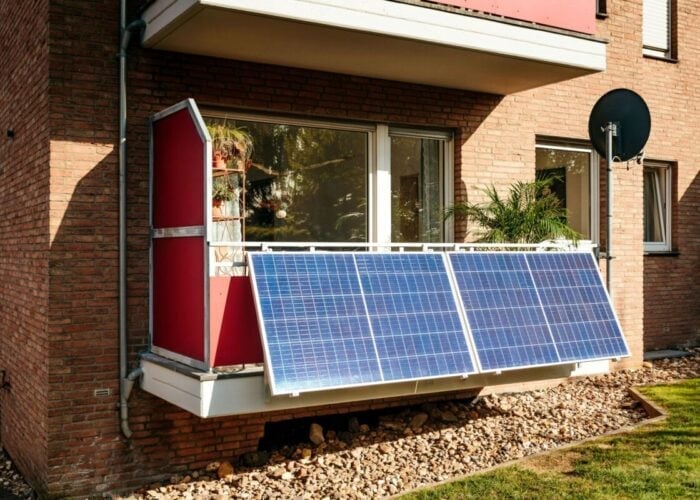
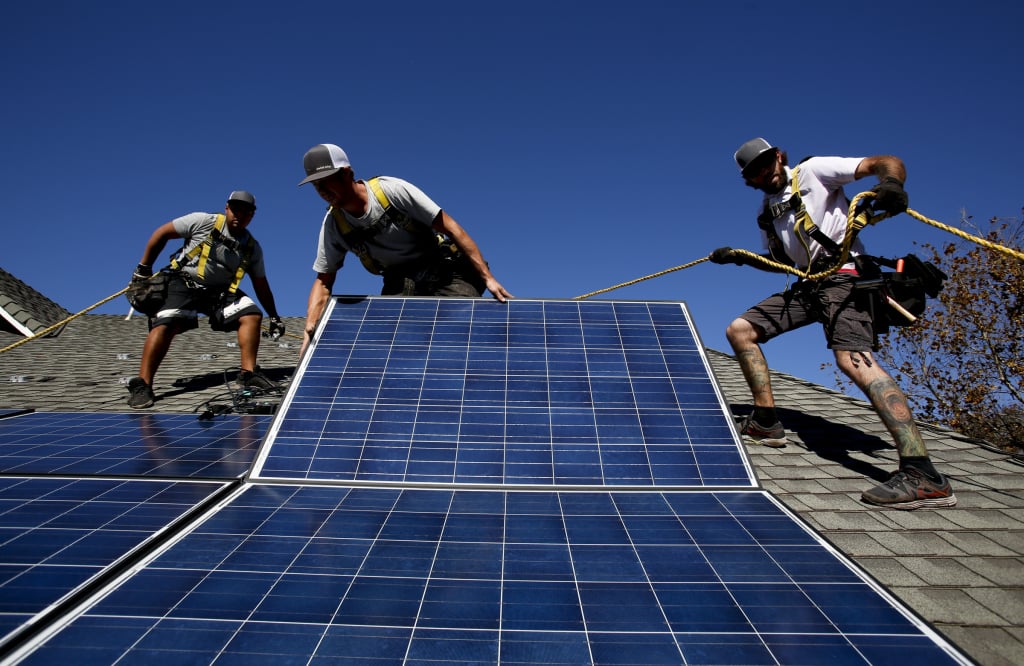
The rule looks to remove barriers to allow aggregations of distributed energy resources – such as rooftop solar units, battery storage, thermal storage, and electric vehicles and their charging equipment – in the regional transmission organisation (RTO) and independent system operator (ISO) markets in the US. With a power generation typically from 1kW to 10MW, the scale of DERs means they are often too small to meet the size requirements to participate in these markets individually, while their activity is often limited to demand response. Such conditions are said to create barriers to entry of DERs even though they are technically able to provide some services on their own or through aggregation. According to FERC, the presence of resource aggregations in the RTO/ISO markets will enhance competition and help to ensure reasonable costs for consumers.
The latest ruling builds on FERC Order 841, which states that barriers to distributed and behind-the-meter energy storage participating in wholesale electricity markets should be removed. It orders regional transmission operators (RTOs) and independent system operators (ISOs) to reconfigure wholesale markets to accommodate storage resources to allow them to provide capacity, energy and ancillary services.
While that order ruled that states cannot opt-out, Order 2222 establishes a small utility opt-in whereby grid operators are prohibited from accepting bids from the aggregation of customers of small utilities whose electric output was 4 million MWhs or less in the preceding fiscal year. It also allows retail regulators to continue prohibitions against distributed energy aggregators bidding the demand response of retail customers into the regional markets.
“This rule will create jobs, drive local economies and enable the solar industry to supply 20% of US electricity generation by 2030.”
Regional US grid operators are now required to revise their tariffs to establish DERs as a category of market participant, and each tariff must set a size requirement for resource aggregations that do not exceed 100kW.
Renewable energy trade bodies have welcomed the order and its potential for building a more resilient grid. Katherine Gensler, vice president of regulatory affairs for the Solar Energy Industries Association, said it provides clarity to grid operators on how to harness the energy and ancillary services they provide.
“Competition in our electricity markets is a critical part of our clean energy transformation,” she said. “This rule will create jobs, drive local economies and enable the solar industry to supply 20% of US electricity generation by 2030.”
Energy Storage Association CEO Kelly Speakes-Backman said Order 2222 represents the next step forward for energy storage and other distributed energy resources. “Enabling these flexible resources to participate together as ‘virtual power plants’ in wholesale markets is a victory for enhancing grid reliability, enabling a more resilient grid and lowering costs for consumers.”