NexPower obtains PAS 2050 and ISO/CD 14067-1 carbon footprint verification

Facebook
Twitter
LinkedIn
Reddit
Email

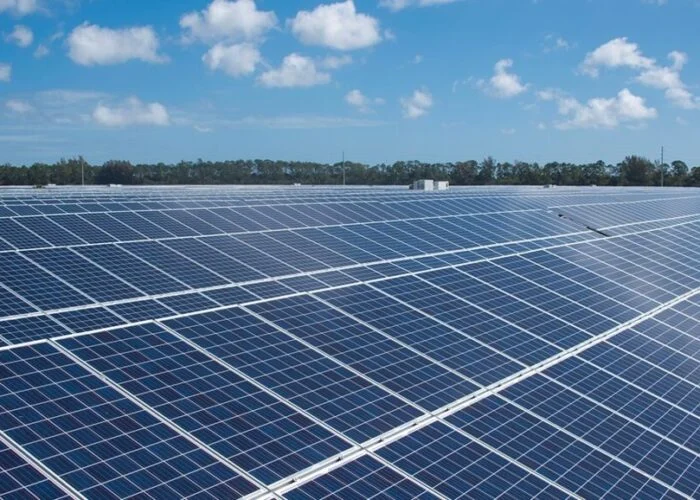
According to Taiwan-based thin-film PV module manufacturer NexPower, it is the first thin-film producers to receive carbon footprint verification under PAS 2050 and ISO/CD 14067-1 standards. NexPower’s multi-junction PV modules were verified by DNV (Det Norske Veritas) in February, 2011 taking approximately four-months for the verification, according to the company.

NexPower’s product carbon footprint report contains data from the product’s greenhouse gas emission life cycle in raw material mining, component manufacturing, parts transportation, product manufacturing, and product delivery.

This article requires Premium SubscriptionBasic (FREE) Subscription

Try Premium for just $1

  • Full premium access for the first month at only $1
  • Converts to an annual rate after 30 days unless cancelled
  • Cancel anytime during the trial period

Premium Benefits

  • Expert industry analysis and interviews
  • Digital access to PV Tech Power journal
  • Exclusive event discounts

Or get the full Premium subscription right away

Or continue reading this article for free

The company said it would continue to manage carbon footprint protocols and practices as well as continue carbon reduction best practices.

NexPower Technology was founded by semiconductor foundry, UMC in 2005. NexPower claims to be the first Taiwanese company to begin thin-film PV mass production and the first to attain IEC 61646, IEC 61730 certification and UL 1703 listing.

Thin-film capacity stands at 120MW and NexPower reached module efficiencies of 10% in 2010. 
Read Next

July 24, 2026
Solar manufacturing giant Canadian Solar has opened the first phase of a 6GW heterojunction technology (HJT) solar cell facility in Jeffersonville, Indiana.
July 24, 2026
Croatia's HOPS approves transmission blueprint for Pantheon Atlas' planned 1GW Pantheon AI data centre in Topusko.
Premium
July 24, 2026
PV Tech Premium spoke with Mike Carr, executive director of the SEMA Coalition, about the hollowing out of domestic demand for US solar manufacturing under the Trump administration, the way that US companies are piecing together supply chains and the reasons to still hope for the sector’s future.  
July 24, 2026
Chinese solar cell and module manufacturer Aiko has received a “PV Module Anti-Ignition Hazard” certification from German technical advisory firm TÜV Rheinland.
July 24, 2026
Panamint Capital has broken ground on the 1.2GWdc solar PV project at its Twin Oaks power station in Robertson County, Texas.
July 24, 2026
Taiwanese solar PV manufacturers Sino-American Silicon Products and United Renewable Energy Co. have formed a joint venture to establish a module assembly plant in the US.

Upcoming Events

Solar Media Events
October 13, 2026
San Francisco Bay Area, USA
Solar Media Events
November 3, 2026
Málaga, Spain
Solar Media Events
November 24, 2026
Warsaw, Poland
Solar Media Events
April 20, 2027
Istanbul, Türkiye