PV modules will keep changing in the quest for higher efficiency and energy yield. However, the rapid and sometimes simultaneous introduction of new technologies increases overall quality risk, writes George Touloupas, senior director at Clean Energy Associates.
In January the South African government released an amendment to its energy action plan that lowered the local content requirements of solar modules deployed on government-backed schemes from 100% to 30%. The move was unsurprising to many, and may speak to the overwhelming rise of private projects in the country’s PV sector.
A provision under the US Inflation Reduction Act allowing for federal tax credit transfers for solar projects is creating whole new market, giving developers flexibility to sell such credits to third parties to capture maximum value or reduce risk, says a legal and commercial advisor.
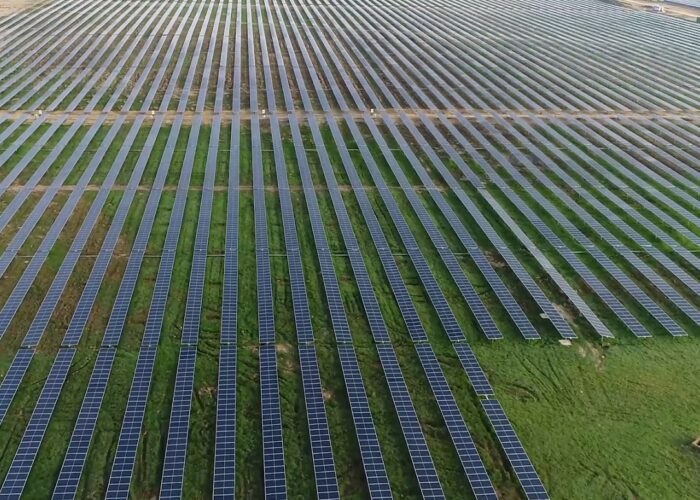
Featuring nearly 1.5 million PV modules and with a generation capacity of 590MWp, the Francisco Pizarro plant in Spain came into operation in August 2022. George Heynes talks to developer Iberdrola about the challenges of constructing Europe’s largest solar farm.
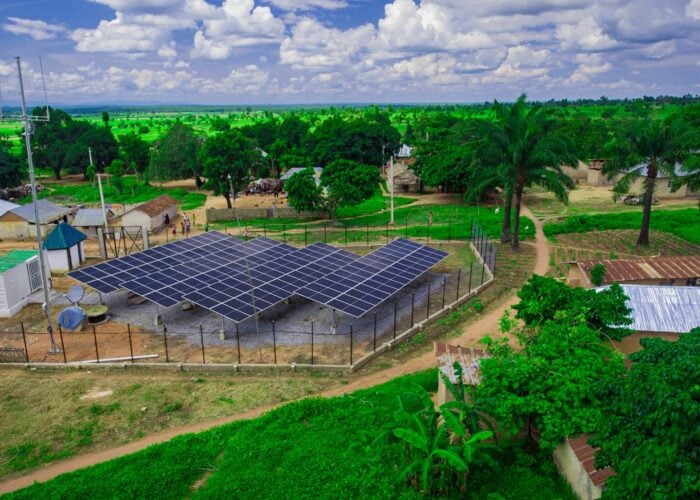
Husk Power CEO explains how a portfolio of 200 solar mini-grids in India, Tanzania and Nigeria are now investible, unlocking the door to scaling in a sector that is key to national electrification programmes in emerging economies.
As renewables investor Cubico Sustainable Investments recently acquired a solar project in Brazil, PV Tech talked to the company about the outlook for the market.
Bank of China Securities has issued a research report which stated that the PV industry chain price has stopped rising and may even drop in the future.
In an exclusive interview with PV Tech Premium, US senator for Georgia Jon Ossoff explains steps he is taking towards making the state the advanced energy innovation and manufacturing hub of the US, while warning about dependence on Chinese PV products and the national importance of a vertically integrated domestic manufacturing base.
As the floating solar sector becomes more mature, larger projects are being deployed in a range of water bodies, presenting a host of construction challenges. Jonathan Tourino Jacobo talks to project developers about how the latest technology is driving growth.