Swiss analyst Pexapark has published its latest report into the European power purchase agreement (PPA) space, noting a 1.5% decline in the average price of a PPA signed in Europe, from the end of May to the end of June.
Pexapark’s figures cover all power generation technologies, and this fall in prices is echoed by a more pronounced decline in solar PPA prices of 27%, reported earlier this week by fellow analyst LevelTen.
Try Premium for just $1
- Full premium access for the first month at only $1
- Converts to an annual rate after 30 days unless cancelled
- Cancel anytime during the trial period
Premium Benefits
- Expert industry analysis and interviews
- Digital access to PV Tech Power journal
- Exclusive event discounts
Or get the full Premium subscription right away
Or continue reading this article for free
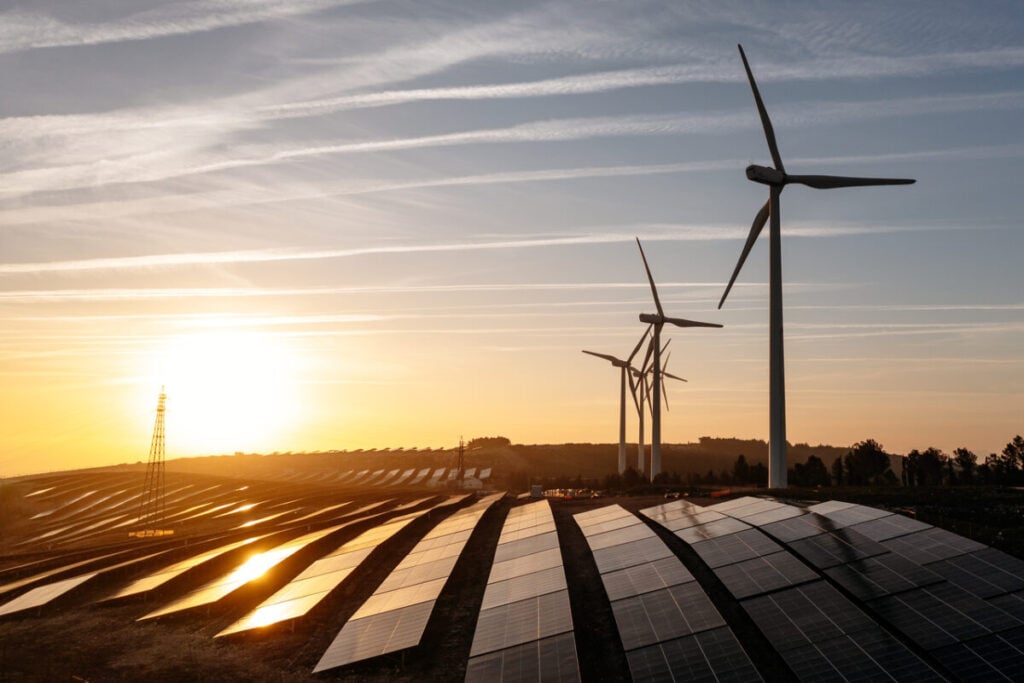
The analyst noted that hybrid PPAs were among the largest to be signed in June, in terms of electricity generation capacity. Pexapark noted that Microsoft signed the two largest deals in Europe, a 230MW agreement with Repsol and a 180MW deal with European Energy, both of which include portfolios featuring solar PV and wind power generation.
The latest figures also reflect a sustained decline in the volume of electricity generation for which deals are being signed. In June, developers signed deals for 944MW of electricity, down from 1,480MW in May and 1,550MW in April. There was a similar decline in the number of deals signed, with the 23 deals signed in June lower than the 32 agreed upon in May.
Pexapark also reports that power prices for renewable power deals, including solar and wind, are becoming increasingly separated from the baseload power price; while volume-weighted baseload price in Europe grew from €47/MWh (US$51/MWh) to €68/MWh (US$73.8/MWh) from April to June, renewable power only saw a €15/MWh (US$16.3/MWh) price increase.

Much of this stems from the increasing replacement of fossil fuel power generation with clean power, as the increase in renewable power generation, and decrease in fossil fuel power generation, means the performance of the latter will have less of an impact on the prices of the former.
“The result is that renewables could benefit only partly from the rise in average power prices,” wrote Itamar Orlandi, Pexapark senior commercial advisor, in the report. “The capture rate (or the market value of the produced electricity divided by the baseload power price) has fallen to just 70% from April to June 2024, from an average of 85% earlier in the year.”