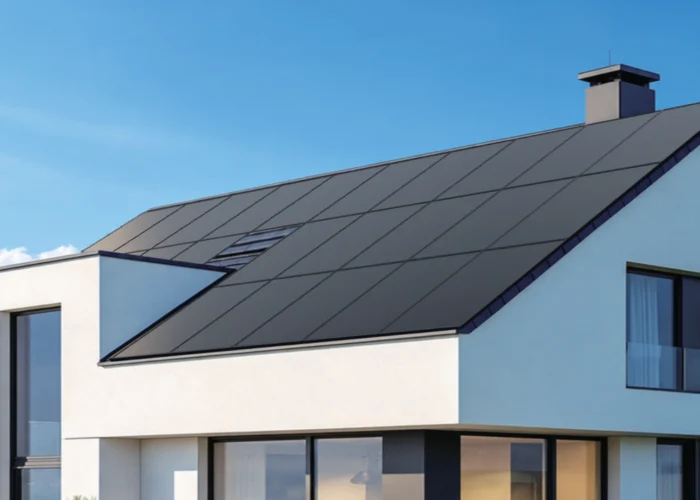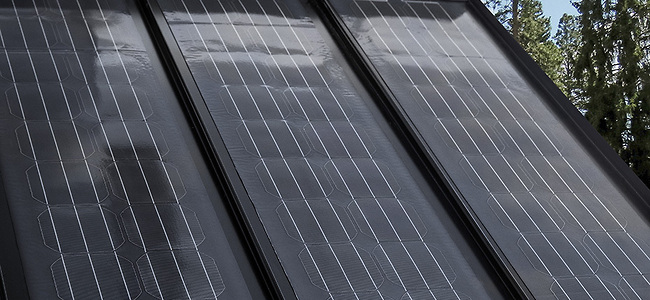
Sweden-based PV manufacturer Midsummer has developed a flexible CIGS thin film solar cell process that provides a complete solution for BIPV/BAPV metal roof systems together with the Swedish Metal roofing company Clix Steel Profile AB that is certified for slopes as low as 5°.
Problem
Try Premium for just $1
- Full premium access for the first month at only $1
- Converts to an annual rate after 30 days unless cancelled
- Cancel anytime during the trial period
Premium Benefits
- Expert industry analysis and interviews
- Digital access to PV Tech Power journal
- Exclusive event discounts
Or get the full Premium subscription right away
Or continue reading this article for free
The lack of a low-cost new build roofing system that is BIPV ready has limited adoption but changes to building regulations in Europe and certain US states will be stipulating solar PV is compulsory for new buildings, including residential and commercial.
Solution
Midsummer has developed a rapid process for the production of flexible thin film solar cells using sputtering of all layers of the solar cell. This allows for scalable and cost-effective manufacturing of CIGS thin film solar cells. The roof plates are produced with integrated lightweight flexible panels using any type of coated steel. The lightweight, flexible panel from Midsummer is integrated at the roofing factory, thereby reducing installation time and cost. All connectors are well protected for snow and ice and easily accessible if necessary. The system has a unique fixing principle for its steel sheets and a very competitive pricing for DIY or professional use.
Applications
Flexible and lightweight modules allow for new and creative PV applications, such as; membrane roofs, portable power plants, marine installations, vehicle usage, landfill covers or other infrastructure projects.
Platform
Each panel is mounted on the roof plates using a high performance elastomeric butyl adhesive tape. The tape is designed to provide excellent tack and adhesion under outside condition in the field. The standing seam roof is then installed by linking the roof plates together in one step. Finally, the PV-modules are easily connected to a system with standard connectors. All connectors and junction boxes are hidden under the ridge capping and well protected for snow and ice. It can easily be accessible if necessary. There are no visible connectors, cables or junction boxes when the roof installation is complete.
Availability
Currently available.