Solar installations grew slightly in Europe in the first half of 2026 compared to last year, according to new figures from SolarPower Europe.
Mid-year analysis from the trade body recorded 33.8GW of new PV capacity in the first half of the year, a small increase over the 33.2GW installed in the first half of 2025.
Try Premium for just $1
- Full premium access for the first month at only $1
- Converts to an annual rate after 30 days unless cancelled
- Cancel anytime during the trial period
Premium Benefits
- Expert industry analysis and interviews
- Digital access to PV Tech Power journal
- Exclusive event discounts
Or get the full Premium subscription right away
Or continue reading this article for free
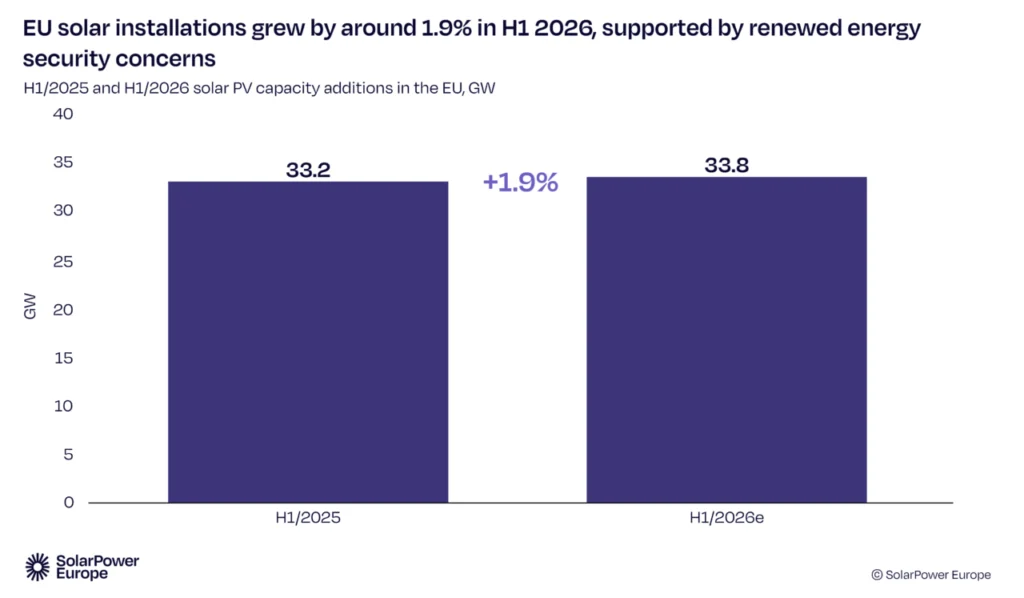
SPE said the rise in deployments was driven by external factors such as the summer heatwaves and concerns over energy supply, rather than strong policy support.
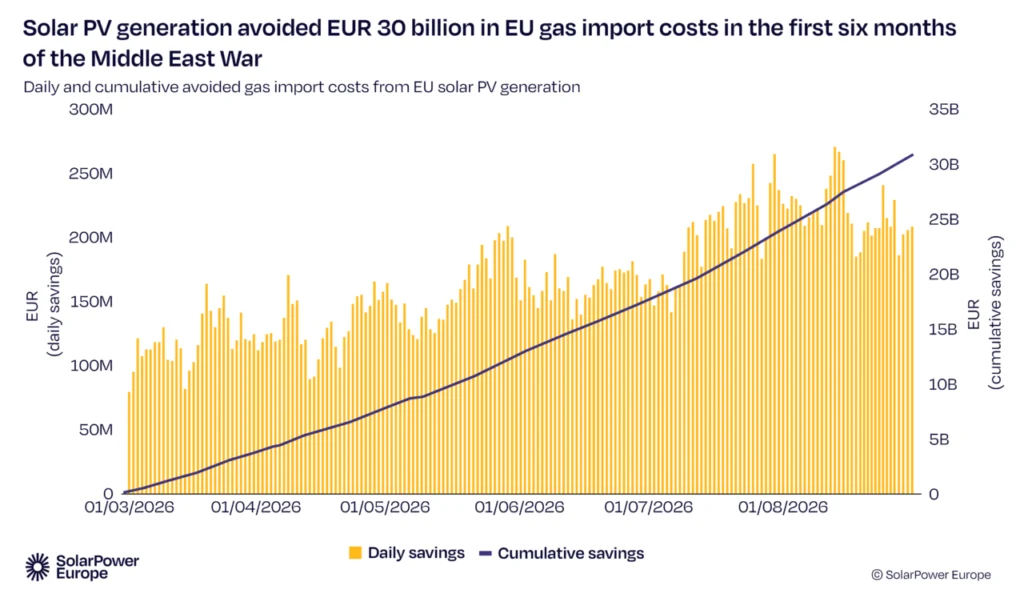
As highlighted in other statements from SPE over the year, solar PV has helped offset some of the price increases in imported gas resulting from the US-Israeli war with Iran. Meanwhile, the body reiterated the key role Europe’s solar fleet has played in providing a bulwark against the impacts of the summer heatwaves, for example, by compensating for reduced output from some nuclear and hydropower plants resulting from lower water levels.
But despite the resilience shown by solar so far in 2026, SPE predicts 2026 will see a small contraction in deployments compared to 2025. More concerningly, the organisation said the European Union was off track to meet its 2030 targets.
The body ascribed this to weakening policy support in many parts of the EU, in particular on the investments and wider market reforms needed to maximise the benefits of an increasing solar penetration.

“Maximising the benefits of solar now requires more than solar deployment alone,” SPE said. “As solar becomes a central pillar of Europe’s energy system, investment in storage, electrification, flexibility and grid infrastructure must scale rapidly. Without faster progress in these areas and more stable policy and regulatory frameworks, the resilience demonstrated in 2026 will be difficult to translate into the sustained growth required to meet Europe’s 2030 solar targets. Under current market and policy conditions, the EU remains off track to meet its 2030 solar target.”
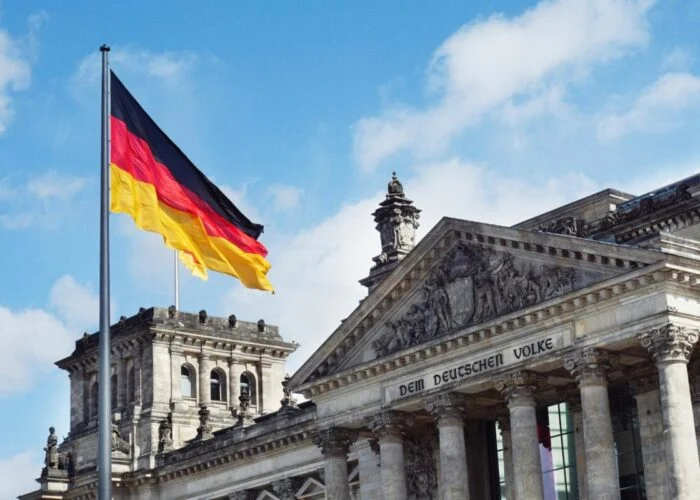
The organisation highlighted weakening policy support in a number of key markets, including France, which has further reduced support for rooftop solar, Czechia, where changes to the country’s New Green Savings Programme have impact on residential PV demand, and Germany, which is debating reforms that would reduce support for new rooftop systems from 2027.
Aside from these specific instances, SPE highlighted the extent to which regulatory uncertainty and grid bottlenecks are making investment decisions more difficult across the EU. The consequences of this are becoming increasingly visible, with several markets experiencing rising curtailment, declining solar capture rates, more frequent negative-price periods and evening price peaks.
Walburga Hemetsberger, CEO of SolarPower Europe, said:”The lesson from the summer could not be clearer: when fossil fuel prices rise, when heatwaves hit, when Europe needs affordable, home-grown energy, solar delivers. Yet, instead of strengthening the conditions for further solar growth, many governments are unplugging support and increasing uncertainty. Europe should not need an energy crisis to make the case for solar, and it should certainly not weaken the conditions for solar investment in the middle of one. Policymakers must now focus on the fundamentals: grids, storage, flexibility and stable investment frameworks.”