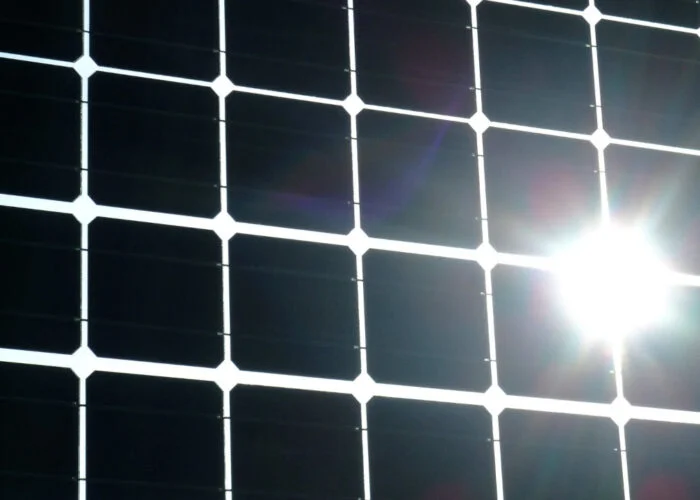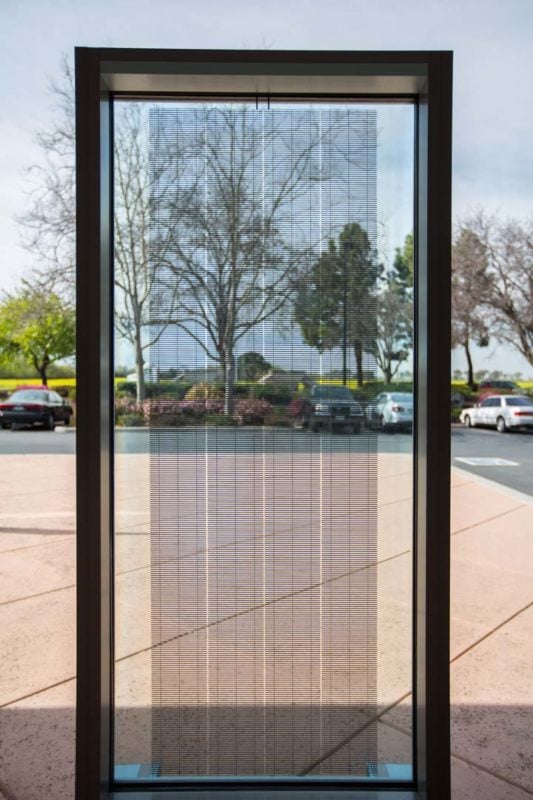
Solaria Corporation’s ‘PowerVision’ series of customized architectural solar (BIPV), power generating glass solutions for building facades that can enable net zero energy or meet ‘WELL’ building standards and are eligible for ‘LEED’ points in energy efficiency saving buildings and structures. PowerVision glass can be widely used in nearly every aspect of a building envelope beyond the rooftop to generate electricity.
Problem
Try Premium for just $1
- Full premium access for the first month at only $1
- Converts to an annual rate after 30 days unless cancelled
- Cancel anytime during the trial period
Premium Benefits
- Expert industry analysis and interviews
- Digital access to PV Tech Power journal
- Exclusive event discounts
Or get the full Premium subscription right away
Or continue reading this article for free
There is increased demand to evolve building designs to incorporate more solar solutions, and construct, when possible, high performance, net zero energy structures. Buildings currently account for forty percent of the world’s energy use — to power light, heat, cool buildings.
Solution
Solaria PowerVision -150 is an architecturally pleasing vision glass that can be used in locations not typically associated with solar panels. Building owners and occupants accrue many benefits as solar-outfitted windows mitigate the sunlight’s effect on a building. When combined with high-efficiency solar PV modules, together they offer a seamless strategy to unlock the full power potential of buildings with technologies that boost energy generation, providing high yield at a low cost.
Applications
Wide range of BIPV and BAPV such as building facades, skylights, canopies and sloped glazing roofs as well as other structural components.
Platform
Solaria’s solar cell process technology has allowed the company to develop an architecturally aesthetically attractive vision glass that can be used in locations not typically associated with solar panels. When combined with high-efficiency solar PV modules, together they offer a seamless strategy to unlock the full power potential of buildings with technologies that boost energy generation, providing high yield at a low cost. The product is endorsed by leading glass and fabrication companies including Pilkington, AGC, and Walters & Wolf. Recently, Linel, a fabricator of customized architectural glass and metal products has also endorsed the technology for BIPV sloped glazing systems.
Availability
Currently available.