The EU’s REPowerEU plan to shift away from Russian gas is “faltering” despite ongoing turmoil in global fossil fuel markets, according to analysis by the European Court of Auditors (ECA).
Less than one-fifth of REPowerEU’s €300 billion (US$342.26 billion) in funding made available by the EU has been deployed by member states as of April 2026, the ECA found. Just €54.3 billion had been committed, leaving the scheme at risk of failing to meet its goals without “a major boost”.
Try Premium for just $1
- Full premium access for the first month at only $1
- Converts to an annual rate after 30 days unless cancelled
- Cancel anytime during the trial period
Premium Benefits
- Expert industry analysis and interviews
- Digital access to PV Tech Power journal
- Exclusive event discounts
Or get the full Premium subscription right away
Or continue reading this article for free
The ECA found that, rather than EU member states using their National Energy and Climate Plans (NECP) to advance the goals of REPowerEU, as was intended, “most did not include any specific actions or targets to bolster the plan’s objectives.” And the ongoing Middle East conflict and its effects on oil and gas prices have not moved the needle.
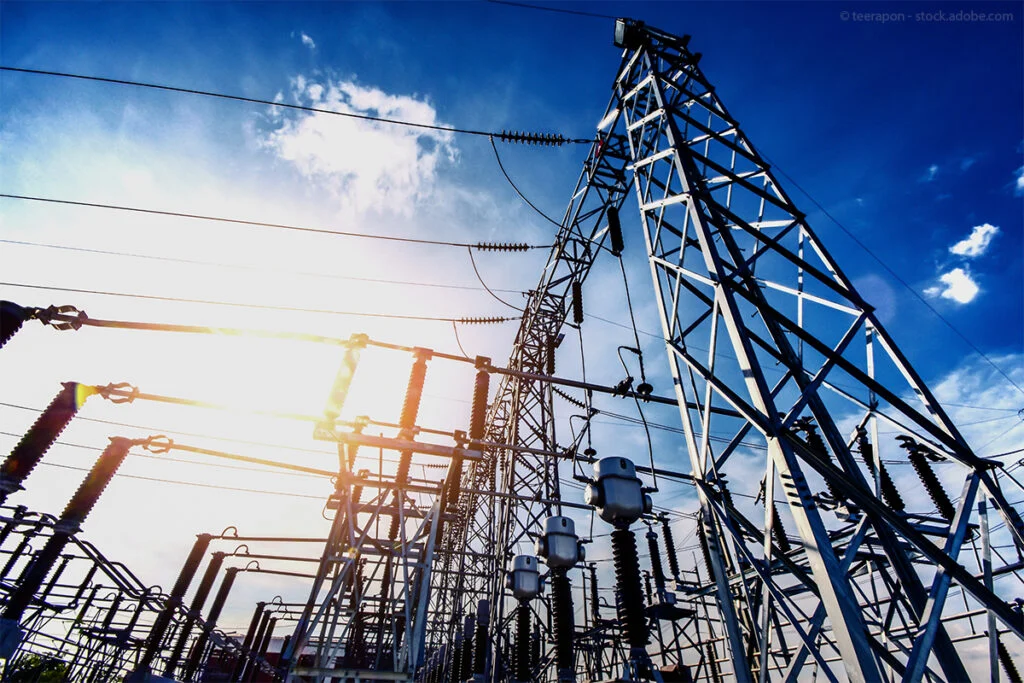
Those objectives included diversifying fossil fuel supplies, increasing the production capacity of renewables, and strengthening cross-border energy interconnectivity, all in order to reduce the EU’s reliance on Russian gas supply.
The court found that the gap in expected and actual investment in REPowerEU shows either that the investment requirements were “largely overblown,” or that there is “an inability” to turn objectives into “concrete action.”
“Four years after its launch, REPowerEU has stalled, even though several hundred billion euros have been made available,” said Mihails Kozlovs, the ECA Member in charge of the report. “We must learn the right lessons now, as the new geopolitical tensions and their impact on energy markets underscore the need to accelerate diversification and prevent future over-reliance on a single supplier. That is why we are calling for coordinated efforts to re-energise the plan.”
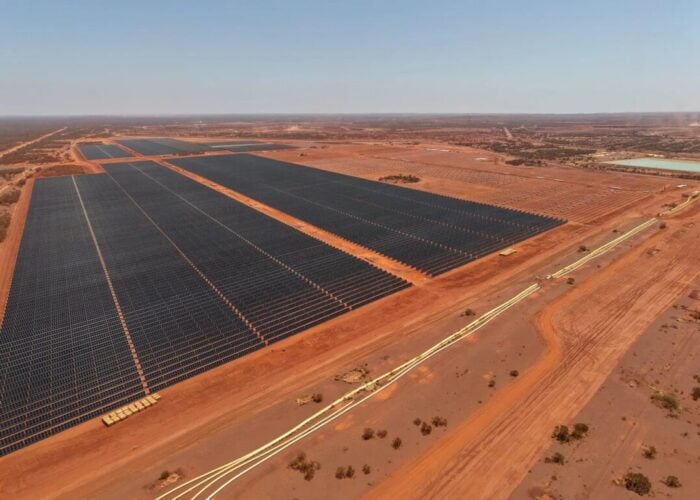
Some REPowerEU funds have gone to new renewable energy projects, including deals struck between the European Investment Bank (EIB) and various solar investors and developers to develop new PV projects across the continent, and the EIB’s commitment to invest €30 billion of REPowerEU funds in new capacity. But the auditors found that “the additional renewables production capacity that was created [under the scheme] is negligible, and very far from the 103GW objective.” The same assessment stands for grid interconnectivity.

The EU’s imports of Russian fuels have fallen since 2022. The European Council agreed to a physical ban of Russian gas imports in January 2026 under REPowerEU powers, with full prohibition beginning from 2027. And sanctions on oil and gas had already seen import levels fall “drastically,” the ECA found. A report from the International Energy Agency (IEA) published today said that the share of Russian natural gas in EU demand fell from almost 40% in 2021 to around 10% in 2025.
However, the ECA is cautious not to overstate this impact. “The drop in Russian energy imports can also be attributed to other factors, such as a series of mild winters and lower consumption due to high energy prices,” it said. “This means that the plan’s direct impact might be more modest than it first appears.”
The issue is twofold, as the ECA explains it. REPowerEU funds have had a limited impact in reducing the bloc’s reliance on Russian gas, and member states have failed to deploy them to boost new renewable energy capacity and grid upgrades.
The growth of EU renewables, and solar in particular, has stalled over the last year. 2025 was the first year in a decade where solar PV capacity growth slowed, and trade association SolarPower Europe does not expect the market to return to 2024 levels until almost the end of the decade. This is largely due to overexpansion of standalone solar at the time of the last energy crisis, leading to overcrowded grid queues and price cannibalisation, alongside the complexities and regulations around integrating energy storage capacity into Europe’s grids. Grid expansion and development were among REPowerEU’s objectives.