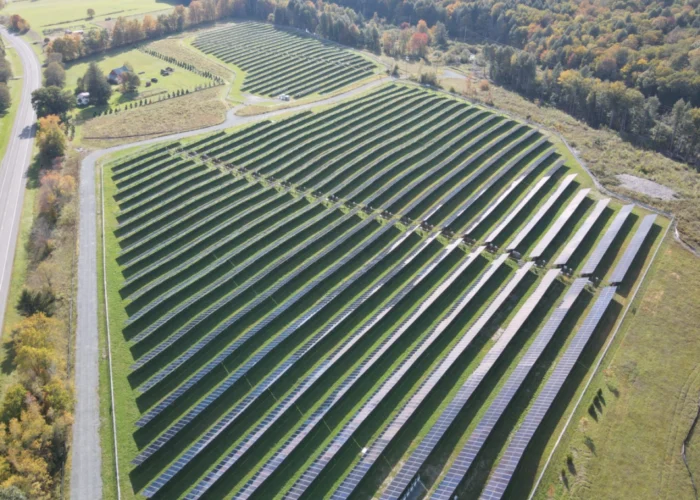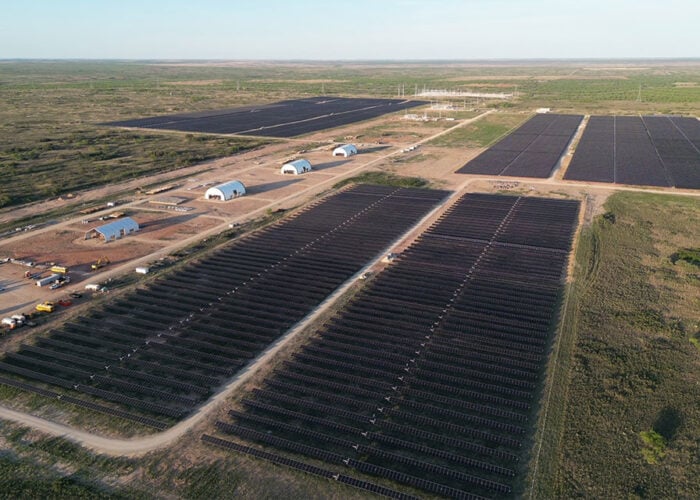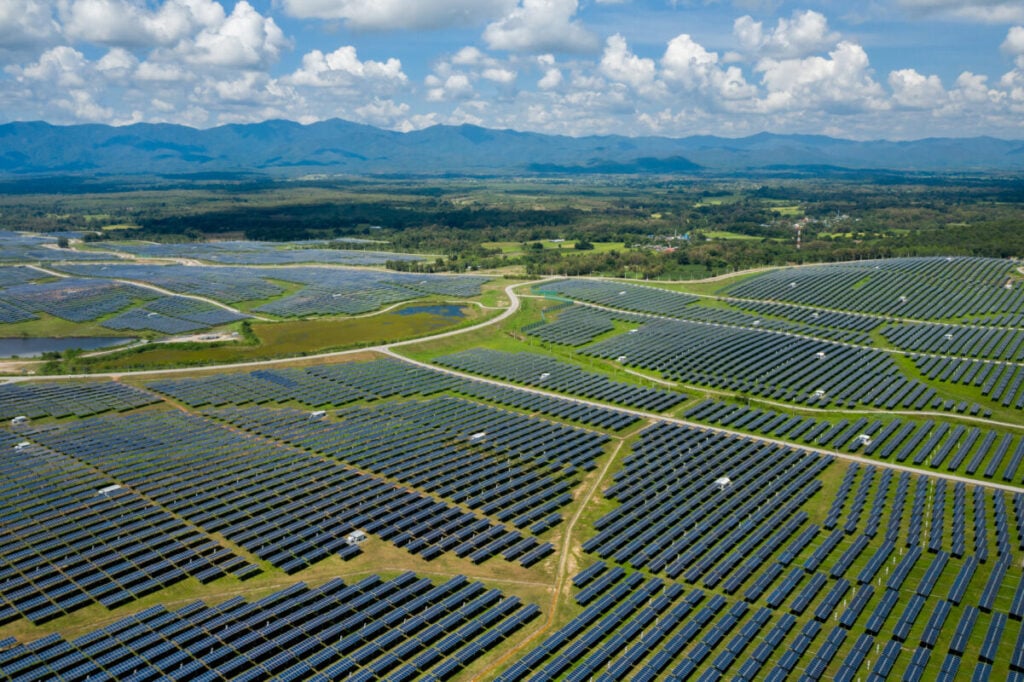
Power loss at solar PV projects has more than doubled in the last five years despite maturing markets and advancing technology, according to new data from US-based solar asset analysis firm Raptor Maps.
“Equipment-driven power loss” sat at 5.08% for PV projects of all sizes in 2025, according to Raptor Maps’ new Global Solar Report – more than double the 2.36% recorded in 2021.
Try Premium for just $1
- Full premium access for the first month at only $1
- Converts to an annual rate after 30 days unless cancelled
- Cancel anytime during the trial period
Premium Benefits
- Expert industry analysis and interviews
- Digital access to PV Tech Power journal
- Exclusive event discounts
Or get the full Premium subscription right away
Or continue reading this article for free
“One might expect that as technology matures – for example, solar cells today are more efficient than they ever have been – that average power loss on solar assets would be declining, as opposed to increasing,” the report said.
The firm identified three main factors behind the increase: mechanical complexity of projects, labour availability and manufacturing quality.
The latter has been discussed and covered at length in industry media and conversations. In January, Kiwa PI Berlin found a “clear and concerning rise” in solar module defects, with over 3.36% of modules showing issues before being shipped from the factory. This was largely due to new manufacturing facilities springing up in new areas as the industry responds to shifting supply chain policies, particularly stemming from the US.
Raptor Maps said that the increasing mechanical complexity of PV projects has also created more opportunities for issues to occur. It highlighted the shift to active tracking systems from fixed-tilt racking. “While trackers increase energy harvest, they introduce additional failure points – motors, sensors, and controllers – that require ongoing calibration and repair,” the report said.
It added that labour shortages that have not kept up with the expansion of solar PV capacity have left operations and maintenance (O&M) companies “stretched thin”. In 2025, an average technician is responsible for 70% more solar generation capacity than they were five years before, it claimed. “Over the past five years in the US, solar jobs grew by 12% while installed capacity grew by 286%,” Raptor Maps’ report said.
In a focus on the US, the report said that these performance issues are present across all solar project sizes and in all regions of the country.
Equipment issues
The mechanical and equipment issues affecting solar performance changed in 2025. Raptor Maps said that power loss from inverter faults fell by around 40% last year, to account for under one quarter of equipment-based power losses. This is despite inverters having “historically represented the largest driver of DC capacity loss”, the report said.
By contrast, string and combiner faults increased by 12.5% and 10.2% year-on-year, respectively, now accounting for 26.89% and 21.51% of observed power loss.
The most “aggressive” increase was in tracker faults, which rose by 25% in 2025 to account for around 14% of the total loss “profile”. This reflects the increasing adoption of tracker technology across the solar industry, in pursuit of greater energy yield.
“While inverter-driven losses have declined in our data set, we see a rising ‘thousand cuts’
trend where string, combiner and tracker issues now account for a 25% larger share of
total MW impact than last year,” Raptor Maps said. “This shift from more centralised to more distributed power loss also speaks to the importance of more frequent data, as proactive identification of these anomalies is now becoming essential to prevent them from compounding into larger production gaps.
Perhaps unsurprisingly, Raptor Maps’ report showed that there is a marked reduction in power loss when PV sites are inspected regularly. Its data said that sites with one annual inspection reach an average of almost 7% power loss, while sites with five annual checks lose around 3% of power.