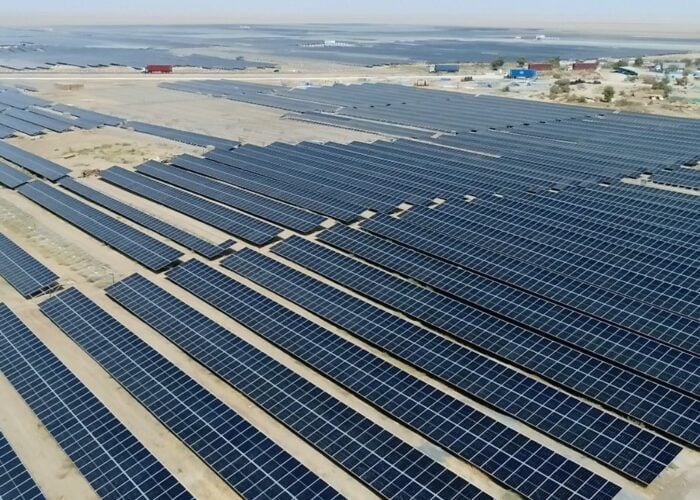
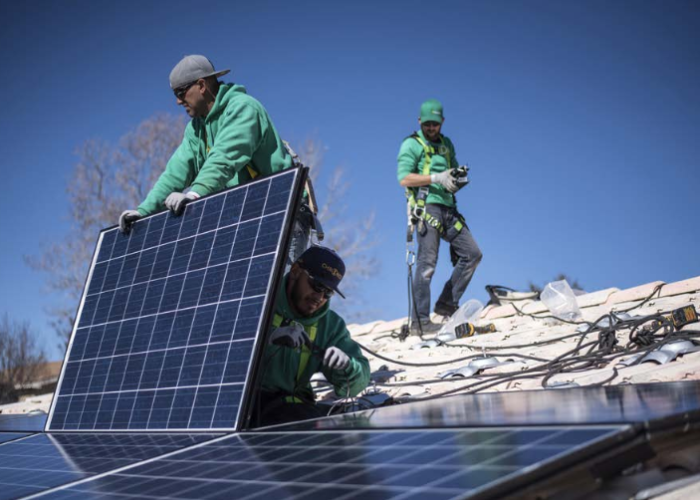
French energy major TotalEnergies and Japanese oil company Eneos have formed a joint venture (JV) to develop 2GW of decentralised solar capacity across Asia over the next five years.
Major capacity additions in Asia’s non-hydropower renewables sector will facilitate the region's ability to supply electricity amid rising power consumption needs, which look set to outpace all other regions as economies continue to expand after the easing of COVID-19 restrictions, according to a Fitch Solutions’ report.
ESG obligations are helping to drive the implementation of biodiversity at solar farm sites, but questions remain over what happens to sites at the end of their operational lifespan, Alice Grundy writes.
Technology company Aqua Aerem has entered into a joint development agreement with Japanese energy producer Osaka Gas for its 10GW Desert Bloom Hydrogen project in Northern Australia.
Battery storage manufacturer NGK Insulators has invested in EneCoat Technologies, a spin-out of Kyoto University involved in the development of of perovskite solar cells.
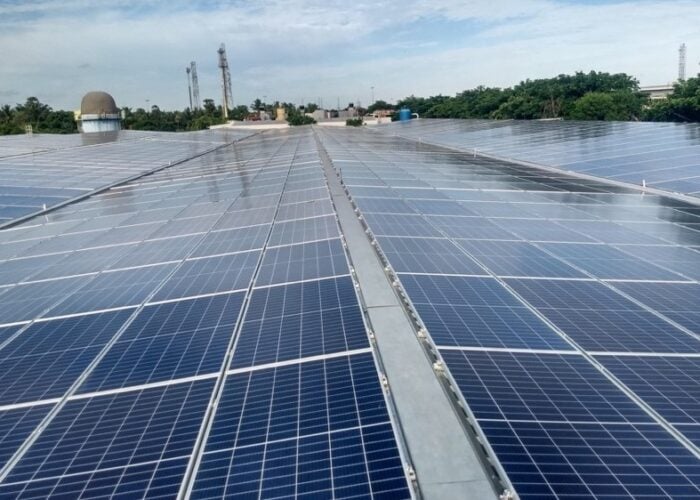
India is set to fall well short of its 2022 solar target of 100GW of installed solar capacity due to the slow uptake of rooftop solar, according to a new report by the Institute for Energy Economics and Financial Analysis (IEEFA) and JMK Research.
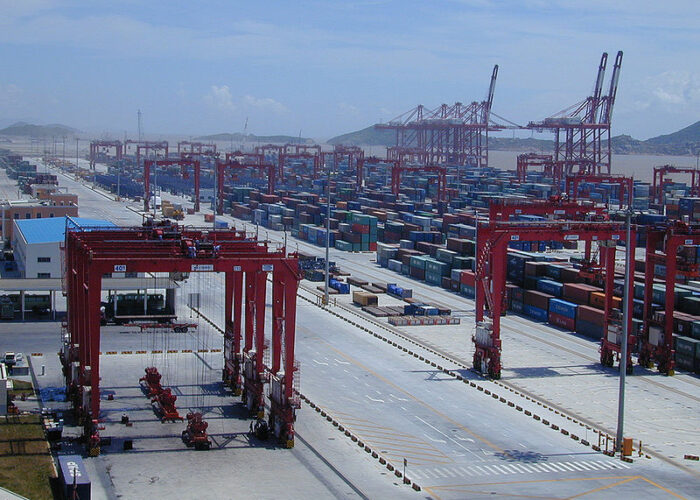
COVID-related lockdowns in China are causing port congestion and delays to shipments of clean energy materials, exacerbating an already tight supply chain situation.
Zhonghuan Semiconductor (TZS) is to invest RMB2.06 billion (US$323 million) in a new 120,000MT-capacity polysilicon project and additional polysilicon R&D facilities in Inner Mongolia.
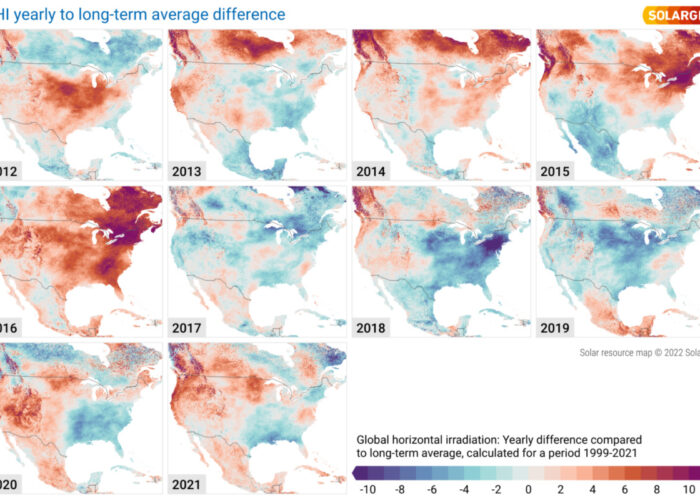
The impact of solar resource variability on several key global PV markets including India, Australia and North America has been revealed by a ten-year analysis from solar irradiance consultancy Solargis that illustrates “significant deviations from long-term averages”.
Governments must ensure that their energy security policies are compatible with net-zero scenarios mapped out by the International Energy Agency (IEA) or the Intergovernmental Panel on Climate Change (IPCC), according to the UN’s Environment Programme (UNEP).