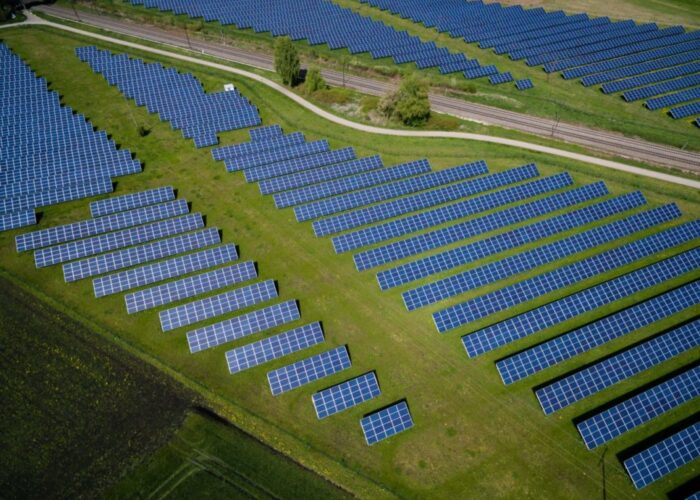
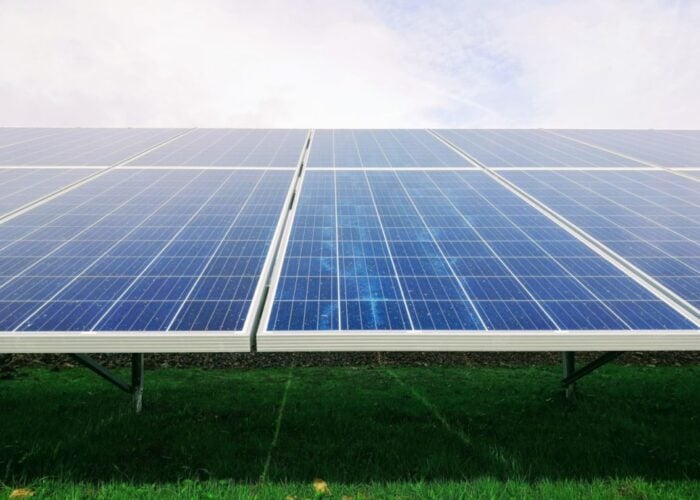
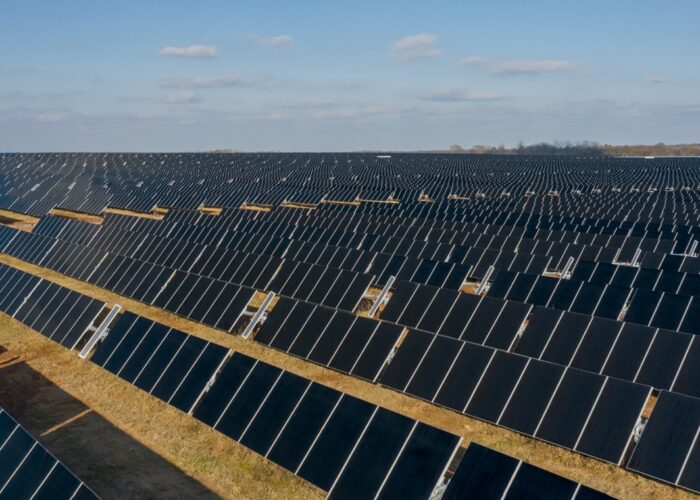
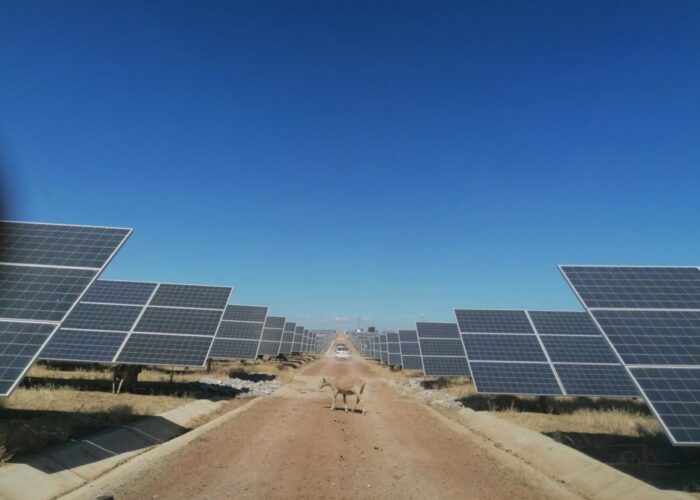
A group of investors including Statkraft Ventures has invested US$3 million in software-as-a-service (SaaS) company Glint Solar and its site identification technology for both ground mounted and floating solar parks.
Spanish oil major Repsol has sold a 25% stake of its renewables arm to a consortium formed by Crédit Agricole Assurances and Energy Infrastructure Partners.
Investment in the off-grid solar sector hit a record US$450 million in 2021, according to the latest report from the Global Off-grid Lighting Association (GOGLA).
Global investment manager CarVal has invested €100 million (US$107 million) in Swedish solar company Svea Solar to support its expansion of utility-scale solar plants in Europe.
Danish energy company Ørsted is establishing an onshore renewables business in Spain as it looks to participate in the country’s auctions and develop solar, wind and energy storage projects.
High power prices in Europe may be obscuring the impacts of price cannibalisation that threatens the future profitability of renewable energy on the continent, with a ‘belt of doom’ observed in Germany and Spain at risk of 30% cannibalisation rates by 2030.
Solar developer ReneSola Power is looking to expand into further European markets after slowdowns in the US and China contributed to a revenue collapse in its opening quarter.
EDF Renewables is aiming to collaborate with academic partners to explore the positive impacts utility-scale solar projects have on biodiversity, soil health and farmland management in the UK.
Timo Moeller, president of International NovaSource Power Services and head of NovaSource in Europe, stresses the need for the industry to entrust experts at every step of the project lifecycle, or risk deterring investment.