Repsol has strengthened its commitment to renewable generation with the creation of a joint venture in Chile that will develop more than 1.6GW of green energy projects by 2025, comprising two solar facilities and three wind farms.
The energy firm has partnered with Grupo Ibereólica Renovables, with both Spanish companies owning 50% of the new entity.
Try Premium for just $1
- Full premium access for the first month at only $1
- Converts to an annual rate after 30 days unless cancelled
- Cancel anytime during the trial period
Premium Benefits
- Expert industry analysis and interviews
- Digital access to PV Tech Power journal
- Exclusive event discounts
Or get the full Premium subscription right away
Or continue reading this article for free
The joint venture will have a diversified portfolio of assets (52% wind and 48% solar) distributed into 78MW of renewable generation capacity already in operation, 110MW under construction, 1.5GW in advanced stages of development which will be operational by 2025 and another 1GW planned for 2030. Projects are located mainly in Chile’s northern regions of Antofagasta and Atacama. In total, the agreement gives Repsol access to a portfolio of renewables projects in Chile that could exceed 2.6GW by 2030.
Repsol will invest €168 million (US$194.8 million) in the venture by 2023 and will have the option to take control of it from 2025. Spain’s former oil monopoly said the deal marks the start of an effort to expand its renewable energy activities into new global markets.
In a challenging environment due to the coronavirus pandemic, Repsol said the move sees it “reinforce its commitment to renewable generation” and take a “significant step” towards becoming a net-zero emissions company in 2050 – a pledge it made at last year’s Madrid COP25 climate talks.
The company also highlighted the growth potential of Chile’s renewable sector, thanks to the existence of areas with abundant sun and wind resources. Statistics from Chilean green energy body ACERA showed installed renewable capacity grew from 5.08GW in 2018 to 5.9GW in 2019, almost doubling the 3.2GW recorded in 2016.

While Repsol eyes new opportunities globally, the company is also consolidating its position in the Iberian Peninsula, where it is currently pursuing seven renewables projects.
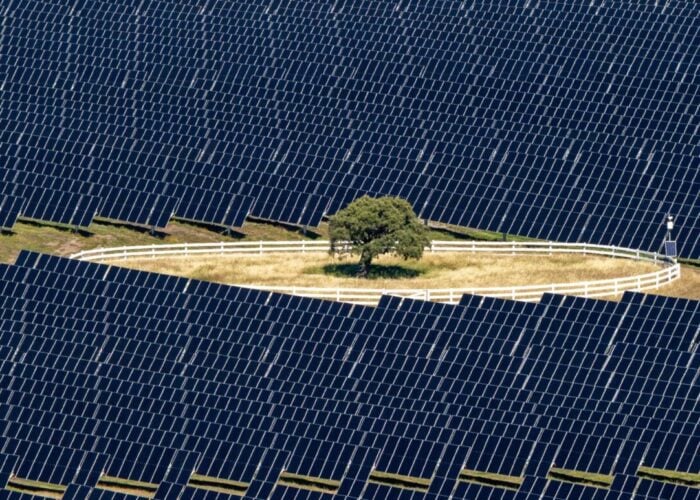
The firm recently started building its largest solar farm, Valdesolar, in Spain’s Extremadura region. The facility, which is penned for completion in early 2021, will have a total installed capacity of 264MW and includes an investment of €200 million (US$231.9 million.
Valdesolar is Repsol’s third green energy project to break ground in Spain; the company started work on its 335MW Delta wind project last December and began construction on its 126MW Kappa solar plant in April. The three projects represent a total investment of €600 million (US$695.63 million).