Rhode Island’s governor signed legislation yesterday that will require 100% of the US state’s electricity to be offset by renewable production by 2033.
The law means Rhode Island has the most aggressive renewable energy standard among any US state, as it is the first to commit to 100% renewables by 2033, according to the office of Governor Dan McKee.
Try Premium for just $1
- Full premium access for the first month at only $1
- Converts to an annual rate after 30 days unless cancelled
- Cancel anytime during the trial period
Premium Benefits
- Expert industry analysis and interviews
- Digital access to PV Tech Power journal
- Exclusive event discounts
Or get the full Premium subscription right away
Or continue reading this article for free
The legislation institutes annual increases in the state’s renewable energy standard, the law that requires utilities to purchase renewable energy certificates representing a certain percentage of the power they sell annually.
While previous Rhode Island law required 1.5 percentage point increases in the amount of electricity required to be generated from renewable sources until 2035, the new legislation accelerates those increases to reach a 100% renewable energy standard in 2033.
“Today’s historic legislation outlines a firm ten-year commitment to achieve our climate change mitigation goals, giving Rhode Island the most ambitious renewable energy standard in the nation,” said Governor McKee, who signed legislation last year requiring the state to reach net zero by 2050.
As of August last year, there were ten US states that had set 100% clean or renewable portfolio requirements with deadlines ranging between 2030 and 2050, according to research from the National Conference of State Legislatures. The most ambitious of those was Oregon, which requires retail electricity providers to reduce emissions by 100% by 2040.
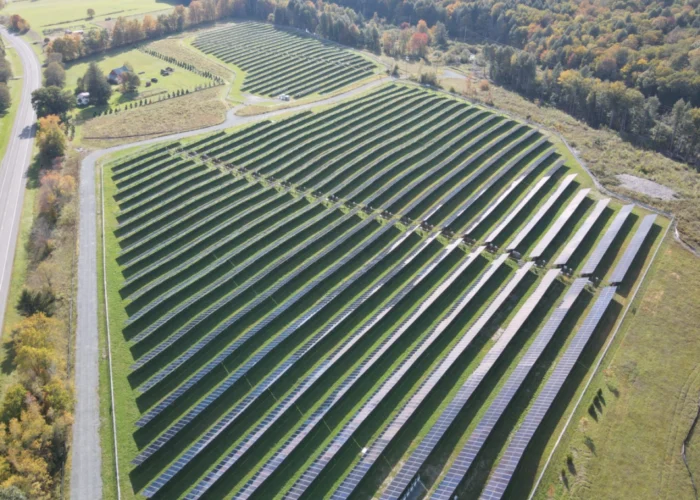
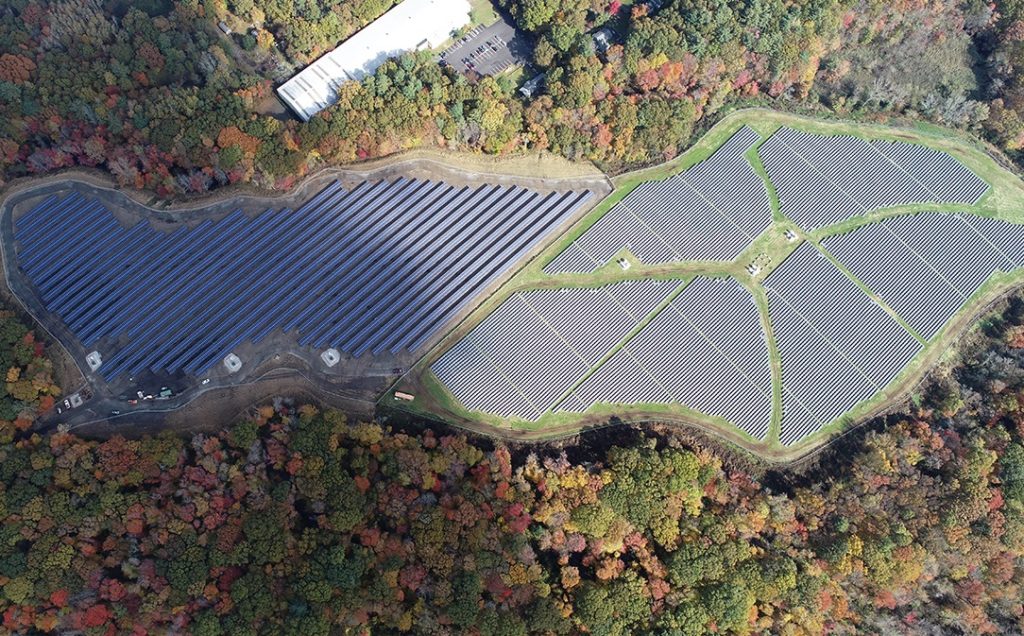
Figures from the Solar Energy Industries Association reveal Rhode Island had 576MW of solar installed as of Q1 2022, when 9% of the state’s electricity came from the technology.
Rhode Island has seen a 74% increase in green jobs since 2014, said Representative Deborah Ruggiero, adding: “That trend is going to continue as we deepen our commitment to renewables.”