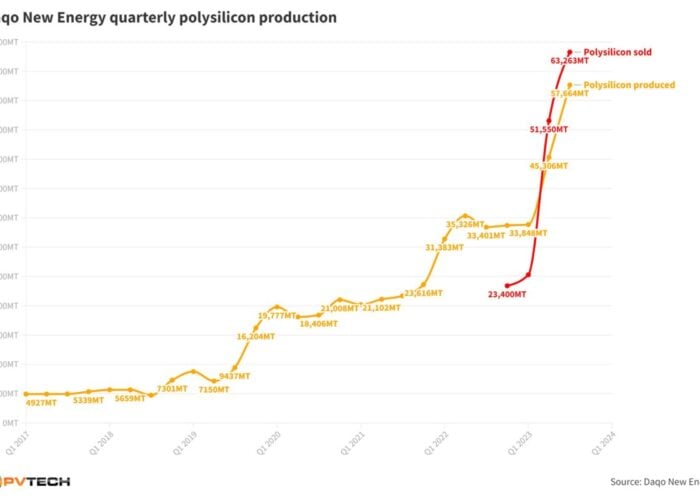
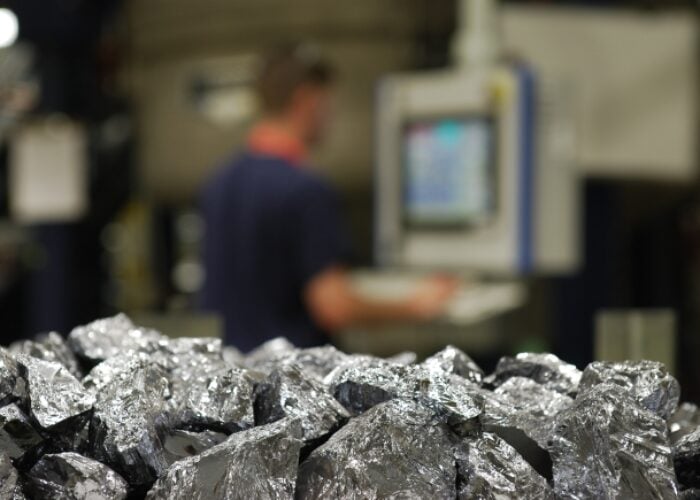
Decreasing polysilicon average selling price (ASP) has reduced by a third China-based polysilicon manufacturer Daqo New Energy’s revenue in the third quarter of 2023.
All developers active in the US market will increase their renewable energy development, while over 60% will participate in domestic clean energy manufacturing buildout.
US House of Representatives is set to vote on the proposal to raise the ceiling debt on Wednesday, a step that prevents the US from reaching its debt limit and avert a default.
As the floating solar sector becomes more mature, larger projects are being deployed in a range of water bodies, presenting a host of construction challenges. Jonathan Tourino Jacobo talks to project developers about how the latest technology is driving growth.
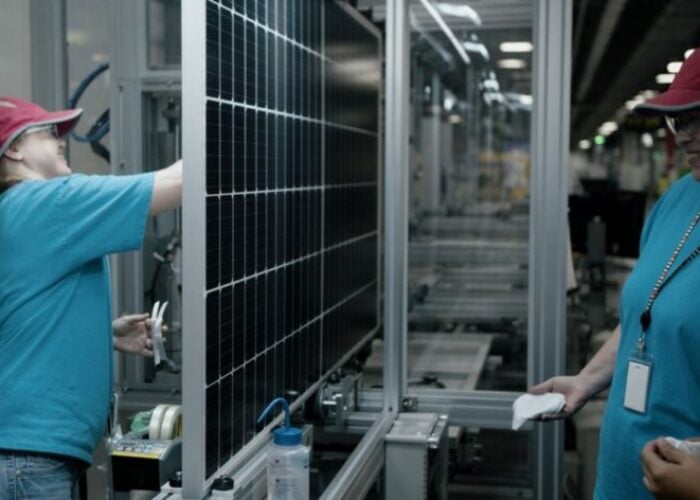
The largest solar investment in US history, a pivot to a vertically integrated PV manufacturing facility in the state of Georgia by Qcells, was enabled by a combination of state support, federal government investment and related benefits coming from the Inflation Reduction (IRA), according to the company.
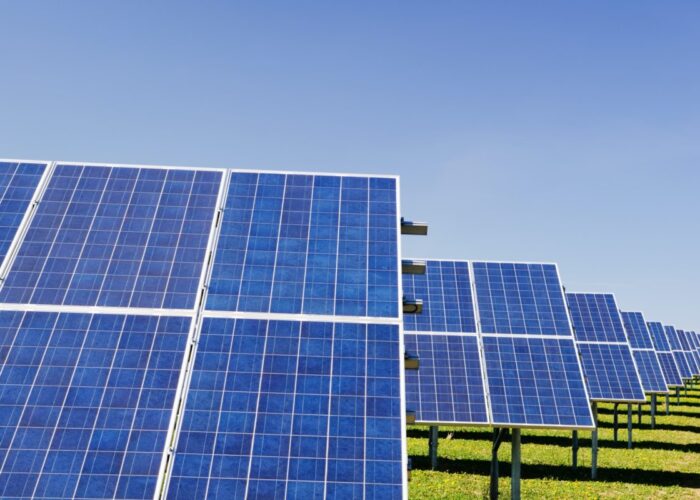
Renewable energy, such as wind and solar, is expected to dominate power generation out to 2050 thanks to the continuing cost competitiveness and the adoption of these sources into the power systems. However, significant acceleration in financing and building new capacity remains the challenge to continue the growth, according to the latest edition of bp’s Energy Outlook.
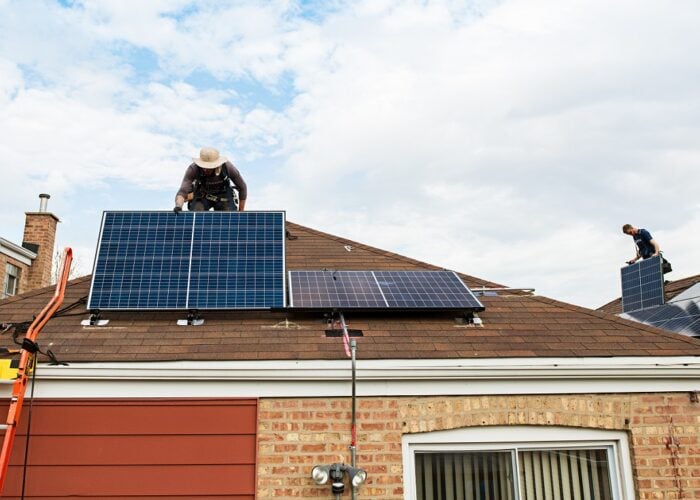
NEM 3.0, the latest iteration of California’s rooftop solar net metering scheme, was passed yesterday by the California Public Utilities Commission (CPUC). Vocal public debate surrounded the legislation before the vote as solar industry workers and representative bodies called for revisions to the proposed decision.
Australia must build out its solar supply chain, from silicon production to end-of-life processes, and reduce its reliance on imported cells and modules if it is to achieve its potential as a global PV superpower.